THE ADVENTURE COLLECTIVE® · Independent discovery and booking for outdoor travel

Drive from Dar into the southern wilds for a ten-day circuit through Mikumi, Ruaha and Selous, mixing sunrise game drives, a rainforest hike to a 270m waterfall, cultural stops and a Rufiji boat safari. Travel days are long but packed with wildlife and distinctive landscapes.
Drive from Dar into the southern wilds for a ten-day circuit through Mikumi, Ruaha and Selous, mixing sunrise game drives, a rainforest hike to a 270m waterfall, cultural stops and a Rufiji boat safari. Travel days are long but packed with wildlife and distinctive landscapes.
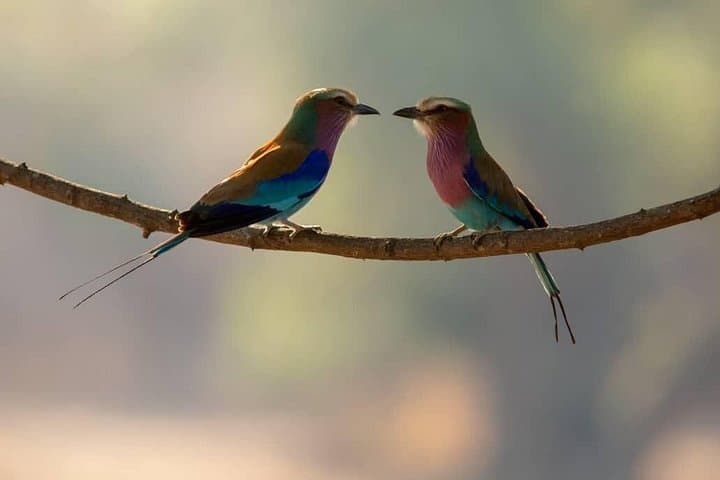
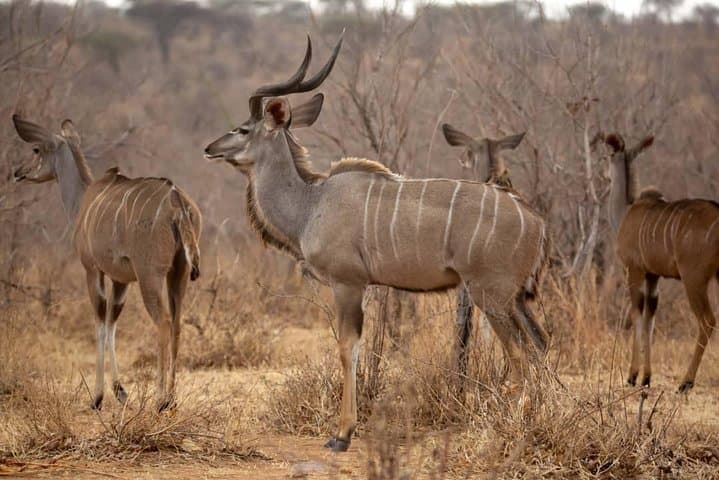
A dawn road opens before the convoy, dust lifting in long ribbons as acacia and miombo woodlands give way to the wide salt-licks and floodplains of Mikumi. Over ten days the route threads through changing terrain — open savanna, granitic outcrops, montane forest and the slow, reed-lined channels of the Rufiji — each landscape offering a different rhythm of wildlife and light.
Verified experiences and guided adventures in the surrounding area.
Operated by Kumekucha Africa Safaris Tours · Mikumi, Morogoro Region
A dawn road opens before the convoy, dust lifting in long ribbons as acacia and miombo woodlands give way to the wide salt-licks and floodplains of Mikumi. Over ten days the route threads through changing terrain — open savanna, granitic outcrops, montane forest and the slow, reed-lined channels of the Rufiji — each landscape offering a different rhythm of wildlife and light.
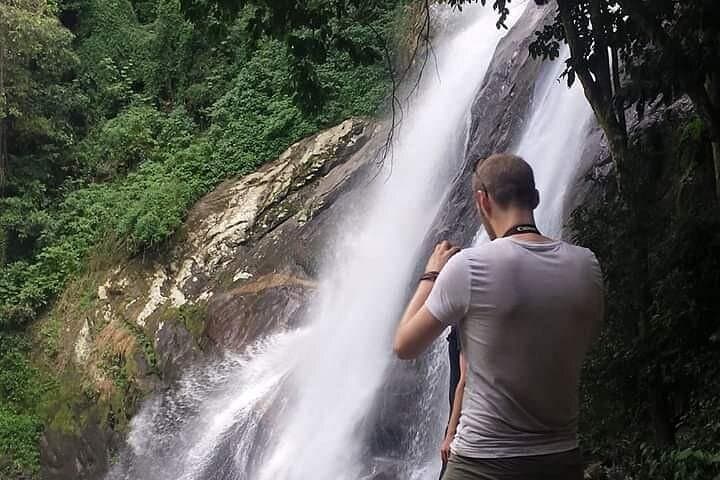
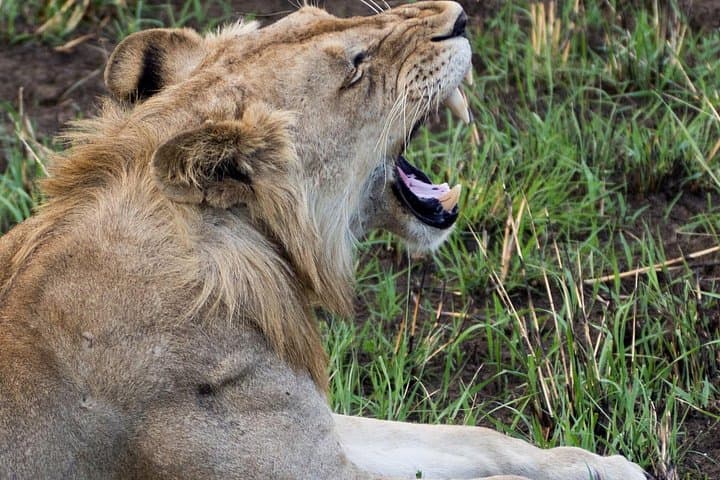
This itinerary visits core southern circuit highlights: Mikumi’s plains and kopjes, the cultural stop at Isimila Stone Age pillars, the rainforest of Udzungwa with its 270m waterfall, Ruaha’s red earth and big-cat country, and the UNESCO-listed Selous (now Nyerere) with its boat safaris on the Rufiji. Geology shapes the trip — old Precambrian ridges near Iringa contrast with river-carved alluvium in Selous — and the cultural layer is equally present: local craft markets in Iringa and Maasai communities encountered en route.
Practical rhythm: mornings and late afternoons are game-drive windows when animals are most active; mid-days are transit, lunch and short walks. Expect comfortable camp and lodge accommodations, guided bush walks, and a sunset boat trip that frames hippos and crocodiles against broad skies.
Good to know: malaria precautions and travel insurance are essential; road transfers are long but scenically varied; photographic opportunities are best with a 200–400mm lens and spare batteries. Bring sun protection, layered clothing for temperature swings, and a sense of flexibility — weather and wildlife both make their own plans.
moderate.
10 days.
Suitable for travelers in reasonable health: long vehicle transfers interspersed with short hikes (up to 3 hours) and game drives.
The drier months (June–October) are best for wildlife visibility and road access; November–April has greener scenery but more rain and muddy tracks.
Yellow fever vaccination may be required depending on arrival country; malaria prophylaxis is strongly recommended for this region—consult a travel clinic.
The main trail includes about 3 hours of walking with some steep sections; a moderate level of fitness and comfortable footwear are sufficient.
Boat safaris are family-friendly but supervise children near water and follow guide instructions; life jackets are typically provided.
The route intersects human history from Stone Age artifacts at Isimila to centuries of riverine trade along the Rufiji; Selous was later designated a UNESCO heritage area for its intact ecosystems.
Nyerere (Selous) and Ruaha are focal points for anti-poaching and community-conservation programs; visitors are encouraged to minimize waste and follow park rules to reduce impacts.
Kumekucha Africa Safaris Tours operates guided outdoor trips and adventures with an emphasis on safety, stewardship, and memorable experiences.
A dawn road opens before the convoy, dust lifting in long ribbons as acacia and miombo woodlands give way to the wide salt-licks and floodplains of Mikumi. Over ten days the route threads through changing terrain — open savanna, granitic outcrops, montane forest and the slow, reed-lined channels of the Rufiji — each landscape offering a different rhythm of wildlife and light.
A dawn road opens before the convoy, dust lifting in long ribbons as acacia and miombo woodlands give way to the wide salt-licks and floodplains of Mikumi. Over ten days the route threads through changing terrain — open savanna, granitic outcrops, montane forest and the slow, reed-lined channels of the Rufiji — each landscape offering a different rhythm of wildlife and light.
This itinerary visits core southern circuit highlights: Mikumi’s plains and kopjes, the cultural stop at Isimila Stone Age pillars, the rainforest of Udzungwa with its 270m waterfall, Ruaha’s red earth and big-cat country, and the UNESCO-listed Selous (now Nyerere) with its boat safaris on the Rufiji. Geology shapes the trip — old Precambrian ridges near Iringa contrast with river-carved alluvium in Selous — and the cultural layer is equally present: local craft markets in Iringa and Maasai communities encountered en route.
Practical rhythm: mornings and late afternoons are game-drive windows when animals are most active; mid-days are transit, lunch and short walks. Expect comfortable camp and lodge accommodations, guided bush walks, and a sunset boat trip that frames hippos and crocodiles against broad skies.
Good to know: malaria precautions and travel insurance are essential; road transfers are long but scenically varied; photographic opportunities are best with a 200–400mm lens and spare batteries. Bring sun protection, layered clothing for temperature swings, and a sense of flexibility — weather and wildlife both make their own plans.