THE ADVENTURE COLLECTIVE® · Independent discovery and booking for outdoor travel

A ten‑day loop from Dar es Salaam into Mikumi, Ruaha and Nyerere (Selous) that balances long overland drives with concentrated game viewing, a Rufiji boat safari, and a walking safari in Ruaha.
A ten‑day loop from Dar es Salaam into Mikumi, Ruaha and Nyerere (Selous) that balances long overland drives with concentrated game viewing, a Rufiji boat safari, and a walking safari in Ruaha.
Dawn in Dar es Salaam tastes of diesel and mango; within an hour the city’s edge gives way to broad grasslands where acacia shadows stretch and termite mounds stand like small, patient monuments.
Verified experiences and guided adventures in the surrounding area.
Operated by Go-Giraffe Safaris Limited · Dar es Salaam, Dar es Salaam Region
Dawn in Dar es Salaam tastes of diesel and mango; within an hour the city’s edge gives way to broad grasslands where acacia shadows stretch and termite mounds stand like small, patient monuments.
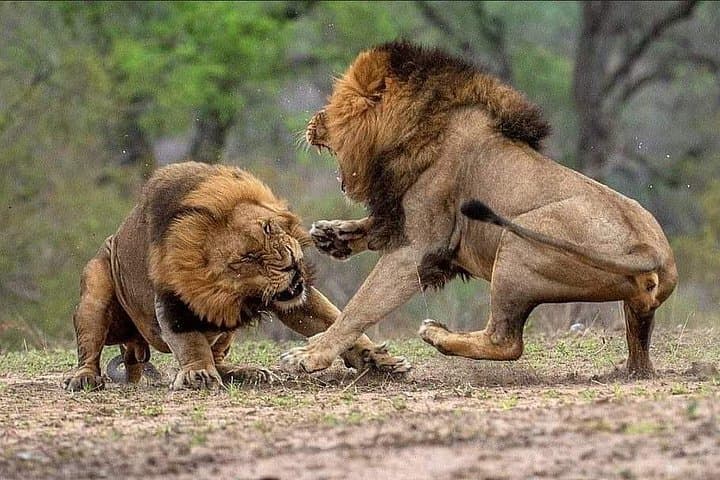
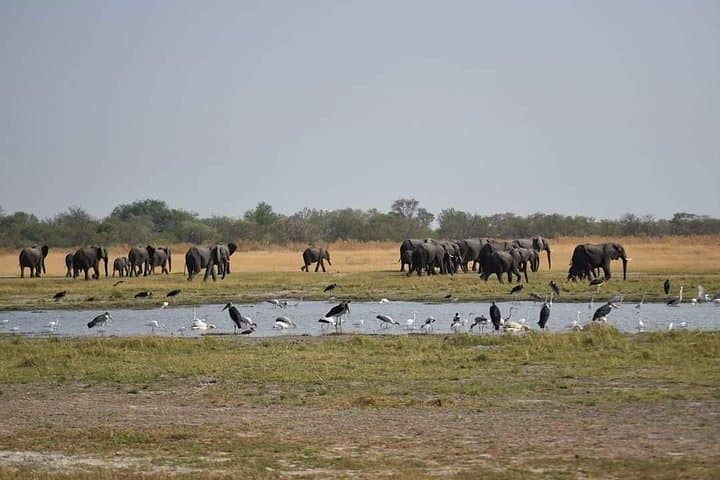
This 10‑day Southern Circuit safari threads urban arrival through Mikumi’s open plains, Ruaha’s sculpted miombo woodlands, and the river‑cut floodplains of Nyerere (formerly Selous). The route moves from coastal humidity to the drier highlands, offering concentrated encounters with elephant herds, lions on afternoon ambush, and waterbirds riding the Rufiji’s slow current.
Historically the region blends Swahili coastal trade influences with inland colonial-era conservation history — Selous was named for a 19th‑century British explorer and later renamed for Tanzania’s first president, Julius Nyerere. Geologically the parks sit on ancient Precambrian bedrock uplifted into rolling hills, drained by seasonal rivers that dictate wildlife movements.
Travelers can expect long overland drives (several 4–6 hour legs), guided game drives from 4x4 vehicles with pop-up roofs, an escorted boat safari on the Rufiji, and a short guided walking safari in Ruaha with an armed ranger. Accommodations alternate between lodges and camps with included meals and park entry fees.
Practical advice: book during the dry season (June–October) for the best game viewing, carry a refillable water bottle and sun protection, and be ready for dusty roads and early starts. Vaccinations, passport validity, and travel insurance that covers remote medical evacuation are recommended. The itinerary rewards patient observers: wildlife often appears when you slow the rhythm of your watch and let the landscape set the pace.
moderate.
10 days.
Suitable for travelers in average fitness; must manage several long drives, short hikes, and timed game drives.
The dry season (June–October) concentrates wildlife around water and offers more reliable road access; shoulder months (May, November) can still be good but expect occasional rains.
Vaccination requirements vary by country—yellow fever may be required if coming from endemic areas; malaria prophylaxis is recommended for most travelers visiting these parks—consult a travel clinic.
Expect multiple 4–6 hour overland drives between parks; vehicles have pop‑up roofs for game viewing and regular picnic breaks are scheduled.
The itinerary notes wheelchair accessibility in town and suitability for many fitness levels, but long drives and some uneven terrain in parks mean caregivers should assess individual mobility needs and check with operators for specific accommodations.
Selous Reserve’s colonial history and later renaming to Nyerere reflect shifts from hunting frontier to national conservation; coastal Dar es Salaam retains Swahili trade and cultural influences.
Parks here partner with anti‑poaching units and community programs; travelers can minimize impact by sticking to vehicle tracks, minimizing single‑use plastics, and supporting local guides.
Go-Giraffe Safaris Limited operates guided outdoor trips and adventures with an emphasis on safety, stewardship, and memorable experiences.
Dawn in Dar es Salaam tastes of diesel and mango; within an hour the city’s edge gives way to broad grasslands where acacia shadows stretch and termite mounds stand like small, patient monuments.
Dawn in Dar es Salaam tastes of diesel and mango; within an hour the city’s edge gives way to broad grasslands where acacia shadows stretch and termite mounds stand like small, patient monuments.
This 10‑day Southern Circuit safari threads urban arrival through Mikumi’s open plains, Ruaha’s sculpted miombo woodlands, and the river‑cut floodplains of Nyerere (formerly Selous). The route moves from coastal humidity to the drier highlands, offering concentrated encounters with elephant herds, lions on afternoon ambush, and waterbirds riding the Rufiji’s slow current.
Historically the region blends Swahili coastal trade influences with inland colonial-era conservation history — Selous was named for a 19th‑century British explorer and later renamed for Tanzania’s first president, Julius Nyerere. Geologically the parks sit on ancient Precambrian bedrock uplifted into rolling hills, drained by seasonal rivers that dictate wildlife movements.
Travelers can expect long overland drives (several 4–6 hour legs), guided game drives from 4x4 vehicles with pop-up roofs, an escorted boat safari on the Rufiji, and a short guided walking safari in Ruaha with an armed ranger. Accommodations alternate between lodges and camps with included meals and park entry fees.
Practical advice: book during the dry season (June–October) for the best game viewing, carry a refillable water bottle and sun protection, and be ready for dusty roads and early starts. Vaccinations, passport validity, and travel insurance that covers remote medical evacuation are recommended. The itinerary rewards patient observers: wildlife often appears when you slow the rhythm of your watch and let the landscape set the pace.