THE ADVENTURE COLLECTIVE® · Independent discovery and booking for outdoor travel

A 10-day, high-altitude traverse through Ethiopia’s Simien Mountains that culminates on Ras Dashen (4,550m). Expect ridge walks, gelada encounters, steep ascents and village coffee stops—ideal for seasoned trekkers prepared for long days and thin air.
A 10-day, high-altitude traverse through Ethiopia’s Simien Mountains that culminates on Ras Dashen (4,550m). Expect ridge walks, gelada encounters, steep ascents and village coffee stops—ideal for seasoned trekkers prepared for long days and thin air.
The trail opens with a dust-stung road into Debark, a raw prelude before the highland plateaus throw open a horizon of cliffs and wind-swept grass. Early on the ridge, thermals lift lammergeiers and falcons as the trail snakes past giant lobelia and stunted heather; the air feels thin and intent, nudging each step into careful rhythm.
Verified experiences and guided adventures in the surrounding area.
Operated by Simien Mountain Trekking and Tours · Debark, Amhara
The trail opens with a dust-stung road into Debark, a raw prelude before the highland plateaus throw open a horizon of cliffs and wind-swept grass. Early on the ridge, thermals lift lammergeiers and falcons as the trail snakes past giant lobelia and stunted heather; the air feels thin and intent, nudging each step into careful rhythm.
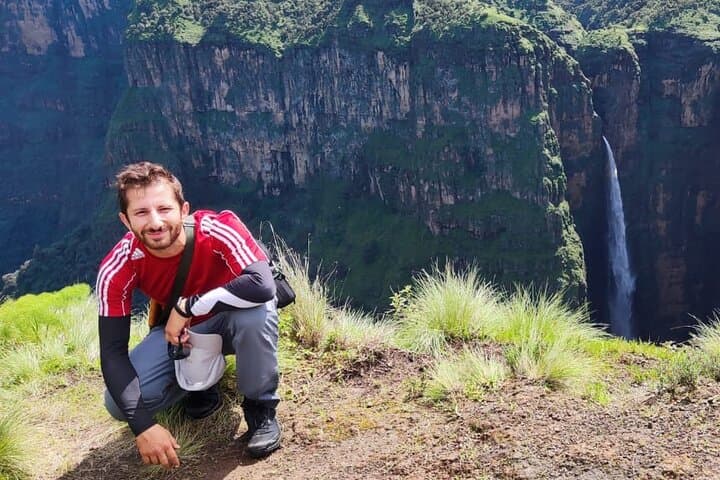
The Simien range is geologically ancient basalt carved by millennia of erosion into vertiginous escarpments and deep gorges. Human history here is layered: Amhara villages clutch terraces on lower slopes, centuries-old coffee rituals remain part of daily life, and Gelada troops move through landscapes once shaped by pastoralism and imperial shadow from nearby Gondar.
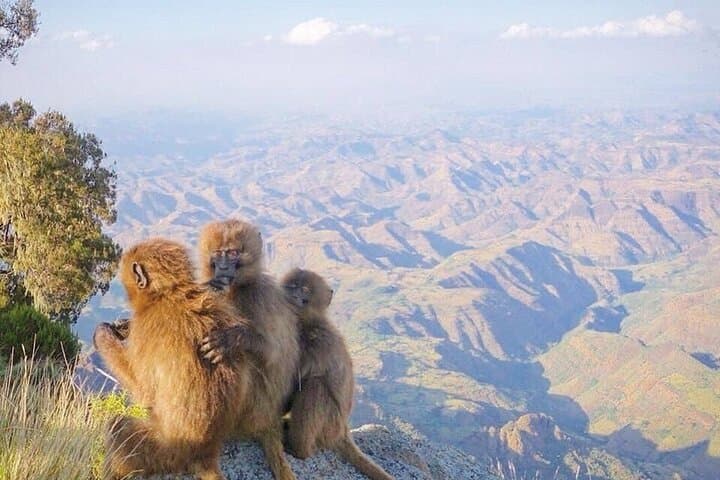
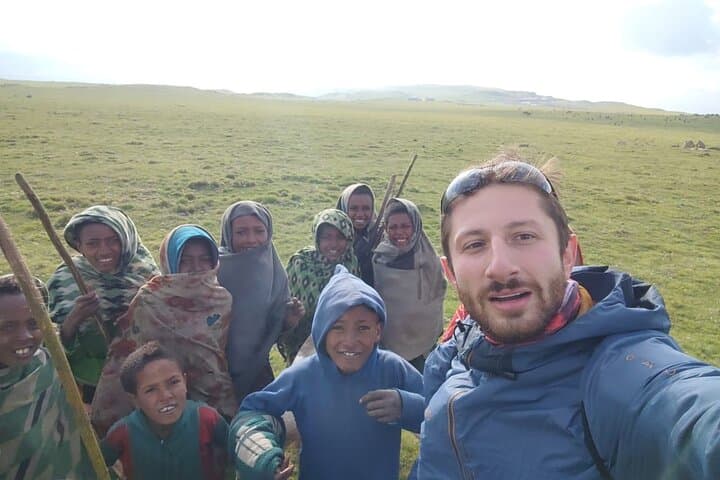
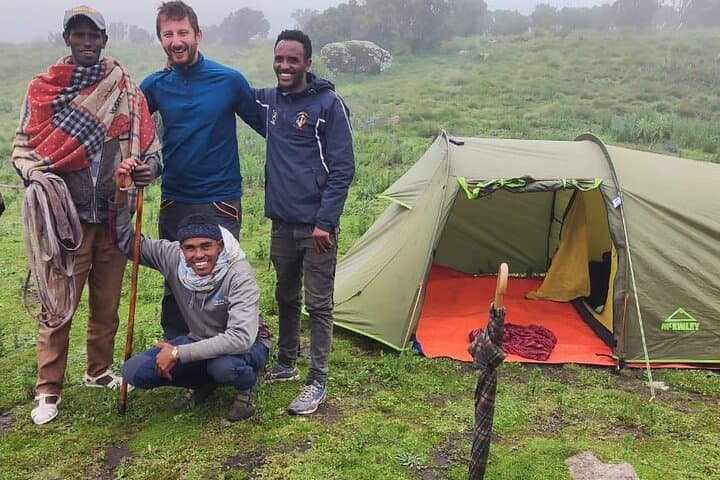
Culturally the trek is as much about people as panoramas — scouts, muleteers and local guides manage camp logistics and coffee ceremonies; visits to small villages offer a window into highland subsistence life. Wildlife is concentrated: geladas, Walia ibex and raptors are common around Chenek and Sankaber.
Practical guidance is straightforward: expect high-altitude hiking up to 4,550m with sustained ascents, long days (some 8–10 hours) and basic scrambling near the summit. Camps are communal; sleeping systems are provided but bring a rated sleeping bag. Hydrate, pace for altitude, and use poles on steep descents. Timing your trek in the dry months limits rain and improves visibility, but nights remain cold. With robust fitness and good acclimatization, the ridge walks, waterfall swims in the lowlands and a summit on Ras Dashen make this a classic, demanding wilderness route.
difficult.
10 days (daily hikes vary: 2–10 hours).
Require high aerobic fitness, previous multi-day trekking experience and good altitude tolerance; expect sustained climbs and long days.
The dry months (October–February and September) offer the most stable weather and best visibility; avoid peak rains (June–August) if you want minimal trail disruptions.
Summit day gains roughly 1,200m with long false peaks and rocky sections; it’s strenuous but non-technical—good acclimatization and fitness are essential.
No specialised camping skills are required—tents, mattresses and basic facilities are provided—but being comfortable with shared camps and rustic conditions helps.
Park entrance and local guide/scout fees are typically handled by the operator but confirm inclusion before booking; government taxes may be listed separately.
The Simien massif is an ancient volcanic plateau; surrounding highland communities are part of the Amhara cultural region with long histories of terrace farming and Orthodox Christian traditions.
Simien Mountains National Park is a UNESCO World Heritage site focused on protecting endemic species and controlling grazing and tourism impact; stick to trails and minimize waste to support fragile highland ecosystems.
Simien Mountain Trekking and Tours operates guided outdoor trips and adventures with an emphasis on safety, stewardship, and memorable experiences.
The trail opens with a dust-stung road into Debark, a raw prelude before the highland plateaus throw open a horizon of cliffs and wind-swept grass. Early on the ridge, thermals lift lammergeiers and falcons as the trail snakes past giant lobelia and stunted heather; the air feels thin and intent, nudging each step into careful rhythm.
The trail opens with a dust-stung road into Debark, a raw prelude before the highland plateaus throw open a horizon of cliffs and wind-swept grass. Early on the ridge, thermals lift lammergeiers and falcons as the trail snakes past giant lobelia and stunted heather; the air feels thin and intent, nudging each step into careful rhythm.
The Simien range is geologically ancient basalt carved by millennia of erosion into vertiginous escarpments and deep gorges. Human history here is layered: Amhara villages clutch terraces on lower slopes, centuries-old coffee rituals remain part of daily life, and Gelada troops move through landscapes once shaped by pastoralism and imperial shadow from nearby Gondar.
Culturally the trek is as much about people as panoramas — scouts, muleteers and local guides manage camp logistics and coffee ceremonies; visits to small villages offer a window into highland subsistence life. Wildlife is concentrated: geladas, Walia ibex and raptors are common around Chenek and Sankaber.
Practical guidance is straightforward: expect high-altitude hiking up to 4,550m with sustained ascents, long days (some 8–10 hours) and basic scrambling near the summit. Camps are communal; sleeping systems are provided but bring a rated sleeping bag. Hydrate, pace for altitude, and use poles on steep descents. Timing your trek in the dry months limits rain and improves visibility, but nights remain cold. With robust fitness and good acclimatization, the ridge walks, waterfall swims in the lowlands and a summit on Ras Dashen make this a classic, demanding wilderness route.