THE ADVENTURE COLLECTIVE® · Independent discovery and booking for outdoor travel

Trace the routes of the Ramayana across Sri Lanka on a 10‑day private circuit that moves from sacred shrines and rock palaces to elephant country and coral coasts. This tour blends myth, wildlife safaris and colonial history with practical logistics and local insight.
Trace the routes of the Ramayana across Sri Lanka on a 10‑day private circuit that moves from sacred shrines and rock palaces to elephant country and coral coasts. This tour blends myth, wildlife safaris and colonial history with practical logistics and local insight.
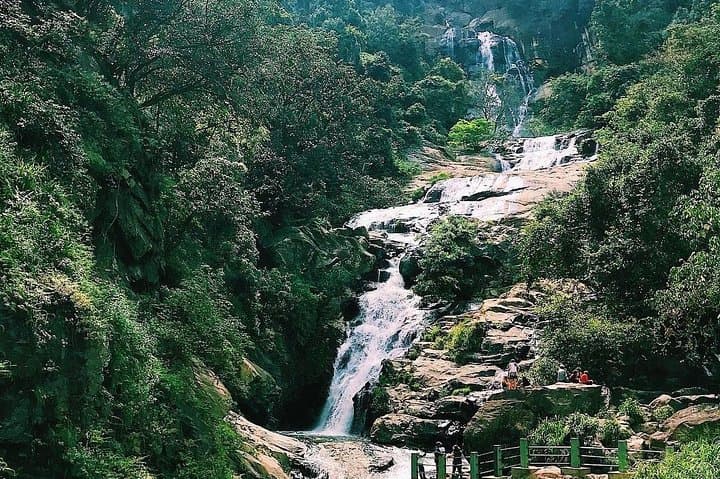
You step off the plane into a thick tropical dusk—air that smells of wet earth and cardamom, clouds of tuk‑tuk horns and the soft clack of coconut vendors. Over ten days the island rewrites itself beneath your wheels: flat salt pans by Negombo give way to limestone caves, a rock palace hewn out of a single column (Sigiriya), tea‑swept slopes that dip into mist at Nuwara Eliya and the dry scrub of Yala where elephants and leopards move like weather.
Verified experiences and guided adventures in the surrounding area.
Operated by KINGFISHER TOURS SRI LANKA · Colombo, Western Province
You step off the plane into a thick tropical dusk—air that smells of wet earth and cardamom, clouds of tuk‑tuk horns and the soft clack of coconut vendors. Over ten days the island rewrites itself beneath your wheels: flat salt pans by Negombo give way to limestone caves, a rock palace hewn out of a single column (Sigiriya), tea‑swept slopes that dip into mist at Nuwara Eliya and the dry scrub of Yala where elephants and leopards move like weather.
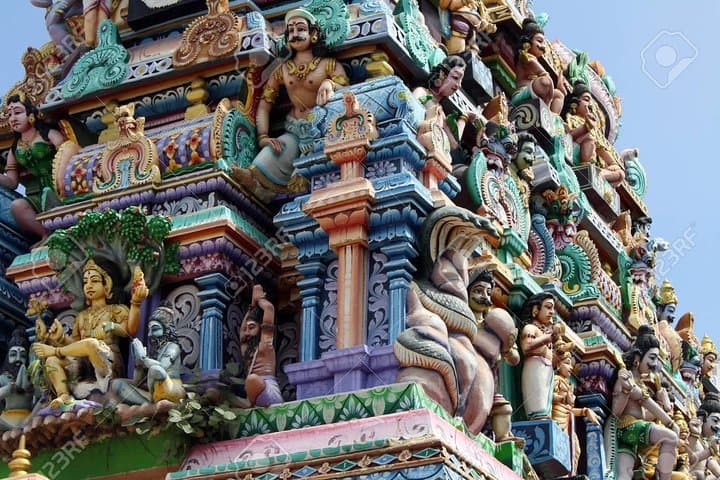
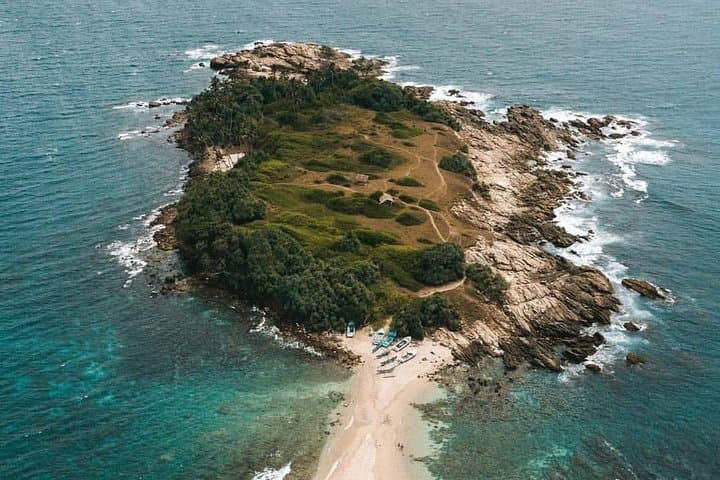
The route follows the myths as much as the roads. Temples and shrines along the way—Koneswaram in Trincomalee, the Sita Amman at Nuwara Eliya, Ravana’s Cave—are read against the epic of the Ramayana. Sigiriya is both a royal stronghold from the 5th century and a geological oddity: a hardened magma plug that resisted erosion while the canyon around it fell away. On the southern coast, coral gardens at Pigeon Island and the Dutch ramparts of Galle tell a different story—of sea power, spice trade and colonial sway.
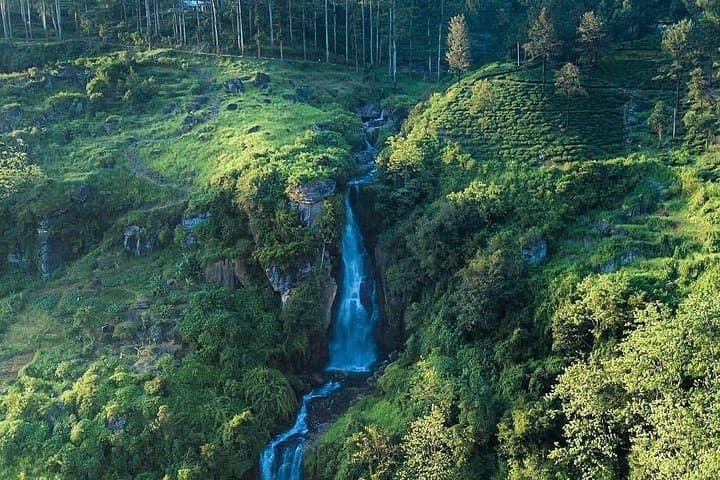
Culture here is tactile: morning puja at the Temple of the Tooth in Kandy, the thunder of Kandyan drummers, fishermen hauling nets at sunrise in Negombo. In the hill country, British colonial tea bungalows still breathe a genteel melancholy; plantations rise and fall like ocean swells and the temperatures drop with altitude—Nuwara Eliya sits near 1,868 m above sea level.
Practical essentials: plan on long transfers—Colombo to Dambulla is roughly 150 km (3–4 hours), Sigiriya to Kandy about 90 km (2.5 hours), and Nuwara Eliya to Yala can be a full day on mountain roads (~160 km). Expect a mix of paved highways and narrower rural roads; bring patience for traffic in cities and for wildlife sightings in Yala go early for the best light and animal activity.
Health and logistics: drink bottled water, pack insect repellent and reef‑safe sunscreen, and carry a lightweight rain jacket—monsoon squalls can move fast. Modest dress is required at temples (shoulders and knees covered); shoes are easy to take off and put on.
Why this itinerary works: it layers history, nature and culture without overloading a single region. You’ll climb Sigiriya’s staircases, drift over coral with a snorkel off Nilaveli, sit in a jeep as a leopard studies you from thirty meters away and end with sunset on a southern beach. It’s part pilgrimage, part natural history tour and wholly practical—private transfers, local guides and a paced schedule let the island’s stories arrive without rushing them.
moderate.
10 days.
Light–moderate fitness: able to manage stairs (Sigiriya), short hikes, and multi‑hour vehicle transfers.
October–March are generally best for the south and west coasts and for tea highlands; late May–September sees the southwest monsoon which can affect Unawatuna and Galle.
No—sightings depend on animal movement and season; early morning drives improve chances but sightings cannot be guaranteed.
Yes—this private tour accommodates families, though long drives and temple rules (quiet, modest dress) should be considered.
Most visitors need an ETA (electronic travel authorization) before arrival; check current health advisories for recommended vaccines and malaria risk depending on areas visited.
Meals vary by package; Sri Lankan food is flavorful and generally safe—eat at recommended restaurants and avoid raw street food if you have a sensitive stomach.
Expect several transfers of 2–5 hours between major sights; the itinerary balances driving with multiple short stops so you experience cultural and natural highlights.
The Ramayana legend overlays pre‑existing sites—many temples and caves claim links to the epic, while colonial sites like Galle Fort reflect Portuguese and Dutch trading eras.
Yala faces pressure from tourism and habitat loss—choose operators who support park fees and responsible jeep practices; support local reef conservation when snorkeling.
KINGFISHER TOURS SRI LANKA operates guided outdoor trips and adventures with an emphasis on safety, stewardship, and memorable experiences.
You step off the plane into a thick tropical dusk—air that smells of wet earth and cardamom, clouds of tuk‑tuk horns and the soft clack of coconut vendors. Over ten days the island rewrites itself beneath your wheels: flat salt pans by Negombo give way to limestone caves, a rock palace hewn out of a single column (Sigiriya), tea‑swept slopes that dip into mist at Nuwara Eliya and the dry scrub of Yala where elephants and leopards move like weather.
You step off the plane into a thick tropical dusk—air that smells of wet earth and cardamom, clouds of tuk‑tuk horns and the soft clack of coconut vendors. Over ten days the island rewrites itself beneath your wheels: flat salt pans by Negombo give way to limestone caves, a rock palace hewn out of a single column (Sigiriya), tea‑swept slopes that dip into mist at Nuwara Eliya and the dry scrub of Yala where elephants and leopards move like weather.
The route follows the myths as much as the roads. Temples and shrines along the way—Koneswaram in Trincomalee, the Sita Amman at Nuwara Eliya, Ravana’s Cave—are read against the epic of the Ramayana. Sigiriya is both a royal stronghold from the 5th century and a geological oddity: a hardened magma plug that resisted erosion while the canyon around it fell away. On the southern coast, coral gardens at Pigeon Island and the Dutch ramparts of Galle tell a different story—of sea power, spice trade and colonial sway.
Culture here is tactile: morning puja at the Temple of the Tooth in Kandy, the thunder of Kandyan drummers, fishermen hauling nets at sunrise in Negombo. In the hill country, British colonial tea bungalows still breathe a genteel melancholy; plantations rise and fall like ocean swells and the temperatures drop with altitude—Nuwara Eliya sits near 1,868 m above sea level.
Practical essentials: plan on long transfers—Colombo to Dambulla is roughly 150 km (3–4 hours), Sigiriya to Kandy about 90 km (2.5 hours), and Nuwara Eliya to Yala can be a full day on mountain roads (~160 km). Expect a mix of paved highways and narrower rural roads; bring patience for traffic in cities and for wildlife sightings in Yala go early for the best light and animal activity.
Health and logistics: drink bottled water, pack insect repellent and reef‑safe sunscreen, and carry a lightweight rain jacket—monsoon squalls can move fast. Modest dress is required at temples (shoulders and knees covered); shoes are easy to take off and put on.
Why this itinerary works: it layers history, nature and culture without overloading a single region. You’ll climb Sigiriya’s staircases, drift over coral with a snorkel off Nilaveli, sit in a jeep as a leopard studies you from thirty meters away and end with sunset on a southern beach. It’s part pilgrimage, part natural history tour and wholly practical—private transfers, local guides and a paced schedule let the island’s stories arrive without rushing them.