THE ADVENTURE COLLECTIVE® · Independent discovery and booking for outdoor travel

See China’s imperial capitals, Tibetan plateau monasteries, the Terracotta Army and Shanghai’s skyline in one private, 10‑day itinerary. Expect long cultural days, domestic flights and high‑altitude acclimatization in Lhasa.
See China’s imperial capitals, Tibetan plateau monasteries, the Terracotta Army and Shanghai’s skyline in one private, 10‑day itinerary. Expect long cultural days, domestic flights and high‑altitude acclimatization in Lhasa.
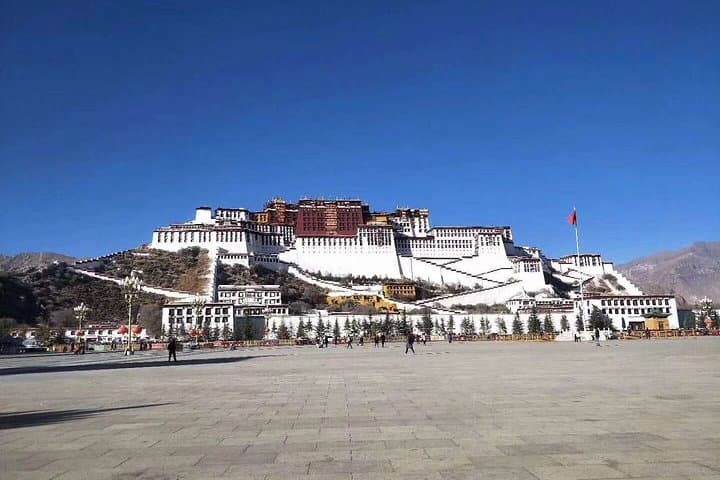
You step out of an air-conditioned van in Beijing as the city hums around Tiananmen Square — a slab of public history that opens like a book to the Great Wall’s watchtowers and the Potala Palace’s rambling white tiers days later in Lhasa.
Verified experiences and guided adventures in the surrounding area.
Operated by happychinatours · Beijing, Beijing
You step out of an air-conditioned van in Beijing as the city hums around Tiananmen Square — a slab of public history that opens like a book to the Great Wall’s watchtowers and the Potala Palace’s rambling white tiers days later in Lhasa.
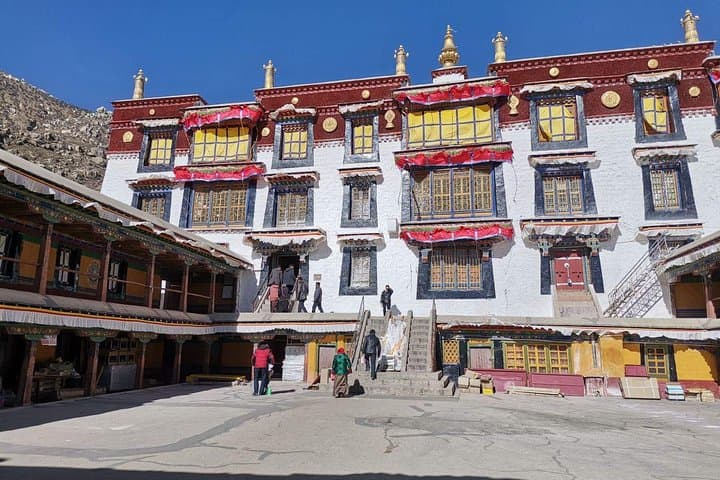
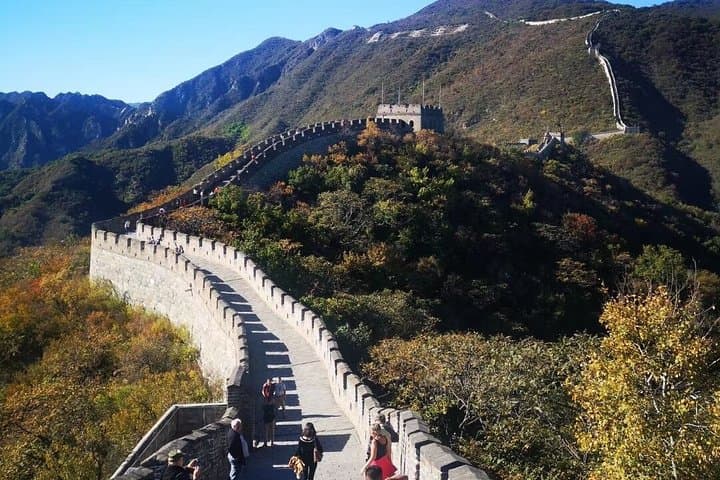
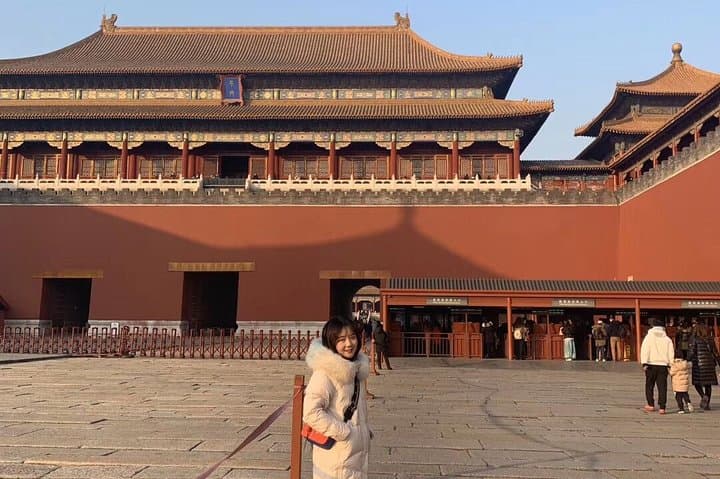
Across ten days you move from Ming and Qing palaces to Tibetan monasteries, from Qin dynasty terracotta pits to Shanghai’s glass-and-steel skyline. Beijing’s Forbidden City and Mutianyu Great Wall show imperial architecture and strategic geography: reclaimed wood construction and granite battlements climbing tree-lined ridgelines. Lhasa sits on the Tibetan Plateau; its thin air shapes movement and mood, and the Potala’s layered chapels recall centuries of religious and political life. Xi’an’s Terracotta Army is an archaeological panorama of Qin-era military organization, while Shanghai’s Bund and Zhujiajiao canal town map China’s global trade shift.
Expect long museum walks, short high-altitude hikes, and multiple domestic flights. Guides translate not just language but context — explaining dynastic shifts, Buddhist practice, and how silk, salt and tea shaped routes and cities. The landscape varies fast: river flats and fertile loess near Xi’an give way to plateau light in Tibet and humid delta in Shanghai.
Practical edge: carry a printed passport and visa info, allow 24–48 hours to acclimatize in Lhasa, and plan a relaxed morning after each flight. Comfortable walking shoes, layered clothing for abrupt temperature swings, sun protection and a compact daypack keep you moving. Hydrate at altitude, follow your guide’s pacing, and leave room in your schedule for slow moments in a temple courtyard or a canal-side teahouse.
moderate.
10 days.
Light to moderate fitness — ability to walk 2–4 miles a day and manage stairs; be prepared for one high‑altitude day.
Yes — most travelers need a Chinese visa and a separate Tibet Travel Permit arranged before arrival; your tour operator typically assists with permit logistics.
The itinerary includes economy domestic flights between Beijing–Lhasa, Lhasa–Xi’an and Xi’an–Shanghai as listed in the trip details.
Ascend slowly, hydrate, avoid alcohol, and communicate symptoms to your guide; they can adjust pacing and seek medical help if needed.
The tour provides a private English-speaking guide in each city; driver-only transfers may be used between some flights and airports.
This route links China’s imperial power centers and trade corridors — from the Qin unification evident at Xi’an to the dynastic courts of Beijing and the maritime turn represented by Shanghai.
High-traffic sites are managed with visitor limits and preservation rules; follow local guidance, avoid littering and respect religious spaces to reduce impact.
happychinatours operates guided outdoor trips and adventures with an emphasis on safety, stewardship, and memorable experiences.
You step out of an air-conditioned van in Beijing as the city hums around Tiananmen Square — a slab of public history that opens like a book to the Great Wall’s watchtowers and the Potala Palace’s rambling white tiers days later in Lhasa.
You step out of an air-conditioned van in Beijing as the city hums around Tiananmen Square — a slab of public history that opens like a book to the Great Wall’s watchtowers and the Potala Palace’s rambling white tiers days later in Lhasa.
Across ten days you move from Ming and Qing palaces to Tibetan monasteries, from Qin dynasty terracotta pits to Shanghai’s glass-and-steel skyline. Beijing’s Forbidden City and Mutianyu Great Wall show imperial architecture and strategic geography: reclaimed wood construction and granite battlements climbing tree-lined ridgelines. Lhasa sits on the Tibetan Plateau; its thin air shapes movement and mood, and the Potala’s layered chapels recall centuries of religious and political life. Xi’an’s Terracotta Army is an archaeological panorama of Qin-era military organization, while Shanghai’s Bund and Zhujiajiao canal town map China’s global trade shift.
Expect long museum walks, short high-altitude hikes, and multiple domestic flights. Guides translate not just language but context — explaining dynastic shifts, Buddhist practice, and how silk, salt and tea shaped routes and cities. The landscape varies fast: river flats and fertile loess near Xi’an give way to plateau light in Tibet and humid delta in Shanghai.
Practical edge: carry a printed passport and visa info, allow 24–48 hours to acclimatize in Lhasa, and plan a relaxed morning after each flight. Comfortable walking shoes, layered clothing for abrupt temperature swings, sun protection and a compact daypack keep you moving. Hydrate at altitude, follow your guide’s pacing, and leave room in your schedule for slow moments in a temple courtyard or a canal-side teahouse.