THE ADVENTURE COLLECTIVE® · Independent discovery and booking for outdoor travel

Drive from Bucharest through the Carpathians on a 10-day private tour that pairs medieval citadels and painted monasteries with high alpine roads and subterranean salt chambers. Expect a mix of cultural walking tours, scenic drives, and short mountain hikes.
Drive from Bucharest through the Carpathians on a 10-day private tour that pairs medieval citadels and painted monasteries with high alpine roads and subterranean salt chambers. Expect a mix of cultural walking tours, scenic drives, and short mountain hikes.
Morning light bends over the cobbled streets of Bucharest as a private van pulls away, leaving the city’s eclectic architecture behind and steering into mountain shadows.
Verified experiences and guided adventures in the surrounding area.
Operated by Romania Driver and Guide · Bucharest, Bucharest
Morning light bends over the cobbled streets of Bucharest as a private van pulls away, leaving the city’s eclectic architecture behind and steering into mountain shadows.
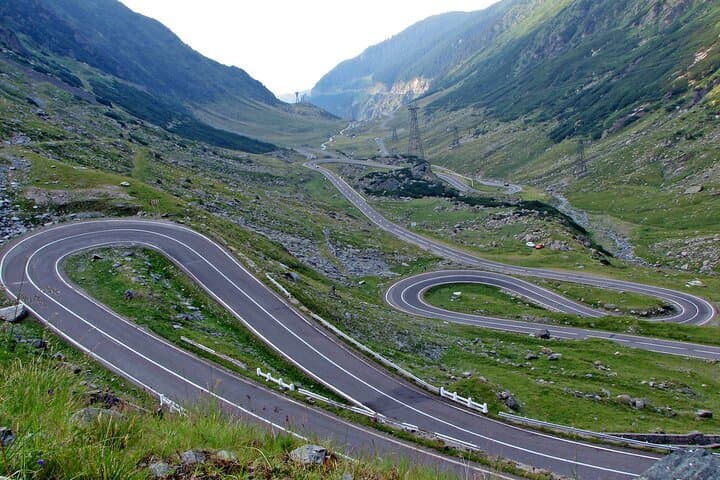
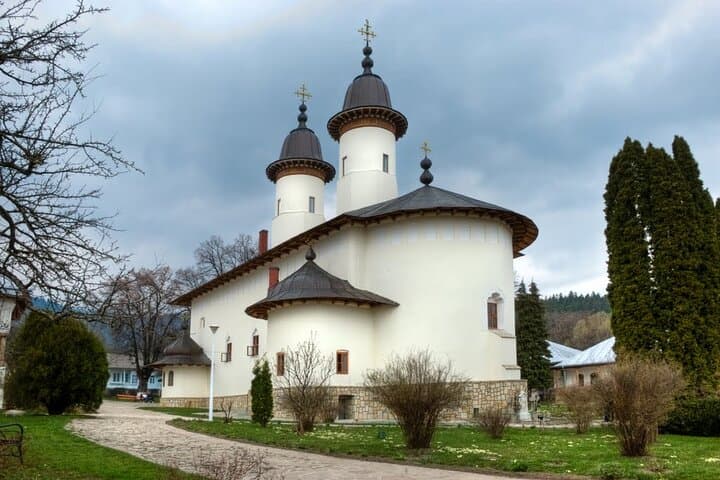
Across ten days the route moves like a well-told story: urban squares where revolutions were decided, medieval citadels perched above river ravines, and a highway that climbs to alpine wind and cliff-edge views. The Transfăgărășan reaches 2,042 m at Balea Lac, where the road narrows and the air grows thin; Sarmizegetusa Regia sits at roughly 1,200 m, its stone ruins speaking of Dacian engineering and strategic high-ground. Along the way wooden churches and painted monasteries of Bukovina preserve frescoes that have survived Ottoman raids and centuries of weather.
Geology shapes the itinerary: Carpathian limestone and volcanic substrates carve gorges like Bicaz and chisel out salt caverns such as Turda, where subterranean chambers regulate microclimates and once-extracted minerals now host galleries and recreational spaces. Local culture is direct and regional—Transylvanian Saxon towns, Maramureș wooden craftsmanship, and hearty mountain cuisine served with plum brandy.
Practically, expect long driving days with multiple short walks, uneven cobbles in old towns, and mountain roads that can be narrow and steep. Travel light for walking tours, bring layered clothing for altitude fluctuations, and schedule the Transfăgărășan segment between June and October when the pass is typically open. A private English-speaking guide and car make logistics straightforward; for a richer visit, build time for small museums, a salt-mine descent, and early starts to avoid crowds.
moderate.
10 days.
Suitable for travelers with basic mobility who can handle multiple short walks (30–90 minutes) and stairs; not physically demanding but involves long travel days.
No—most activities are moderate: guided walking tours, short climbs to viewpoints, and minimal hiking; accessibility depends on mobility with cobbles and steps in historic sites.
The Transfăgărășan is generally open from late June through October, weather permitting; snow can close the route earlier or later in the season.
Yes—carry some Romanian lei for rural markets, small restaurants, and entrance fees where cards may not be accepted.
The tour includes a private English-speaking guide; Romanian is the local language and you will encounter Hungarian and German in some Transylvanian communities.
Sites span Dacian hilltop fortresses to medieval Saxon towns and 20th-century political landmarks—Romania’s landscape records shifts from ancient tribal centers to Ottoman borders and communist-era transformation.
Many routes pass through protected Carpathian landscapes and UNESCO-listed monasteries; stick to marked trails, avoid touching frescoes, and support local guides to minimize impact.
Romania Driver and Guide operates guided outdoor trips and adventures with an emphasis on safety, stewardship, and memorable experiences.
Morning light bends over the cobbled streets of Bucharest as a private van pulls away, leaving the city’s eclectic architecture behind and steering into mountain shadows.
Morning light bends over the cobbled streets of Bucharest as a private van pulls away, leaving the city’s eclectic architecture behind and steering into mountain shadows.
Across ten days the route moves like a well-told story: urban squares where revolutions were decided, medieval citadels perched above river ravines, and a highway that climbs to alpine wind and cliff-edge views. The Transfăgărășan reaches 2,042 m at Balea Lac, where the road narrows and the air grows thin; Sarmizegetusa Regia sits at roughly 1,200 m, its stone ruins speaking of Dacian engineering and strategic high-ground. Along the way wooden churches and painted monasteries of Bukovina preserve frescoes that have survived Ottoman raids and centuries of weather.
Geology shapes the itinerary: Carpathian limestone and volcanic substrates carve gorges like Bicaz and chisel out salt caverns such as Turda, where subterranean chambers regulate microclimates and once-extracted minerals now host galleries and recreational spaces. Local culture is direct and regional—Transylvanian Saxon towns, Maramureș wooden craftsmanship, and hearty mountain cuisine served with plum brandy.
Practically, expect long driving days with multiple short walks, uneven cobbles in old towns, and mountain roads that can be narrow and steep. Travel light for walking tours, bring layered clothing for altitude fluctuations, and schedule the Transfăgărășan segment between June and October when the pass is typically open. A private English-speaking guide and car make logistics straightforward; for a richer visit, build time for small museums, a salt-mine descent, and early starts to avoid crowds.