THE ADVENTURE COLLECTIVE® · Independent discovery and booking for outdoor travel

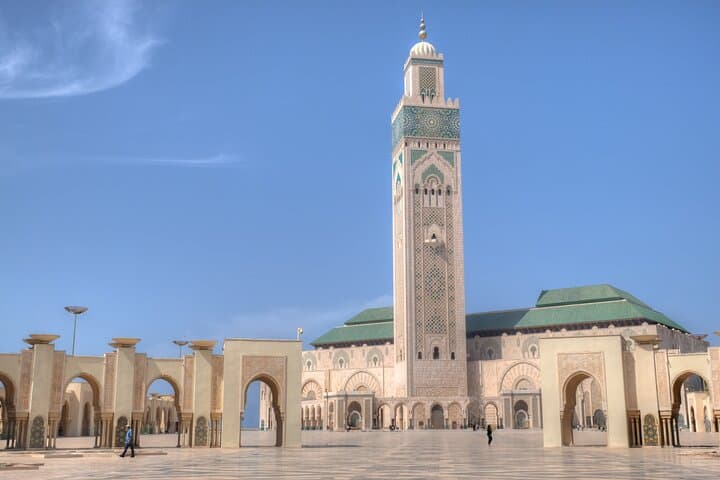
A private 10-day loop from Casablanca across Morocco’s imperial cities, Chefchaouen’s blue lanes, the Atlas high pass and the Sahara dunes. Expect long scenic drives, Roman ruins, medina mazes and one night under the stars in Merzouga.
A private 10-day loop from Casablanca across Morocco’s imperial cities, Chefchaouen’s blue lanes, the Atlas high pass and the Sahara dunes. Expect long scenic drives, Roman ruins, medina mazes and one night under the stars in Merzouga.
You step off the highway and the air shifts: salt from the Atlantic in Casablanca, cedar smoke in the Middle Atlas, then the dry warmth of the Sahara as dunes rise like a living architecture.
Verified experiences and guided adventures in the surrounding area.
Operated by moroccotourspro · Casablanca, Grand Casablanca-Settat
You step off the highway and the air shifts: salt from the Atlantic in Casablanca, cedar smoke in the Middle Atlas, then the dry warmth of the Sahara as dunes rise like a living architecture.
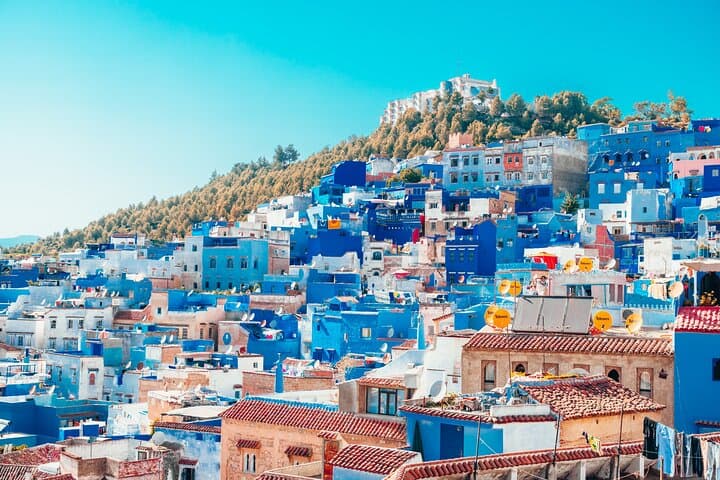
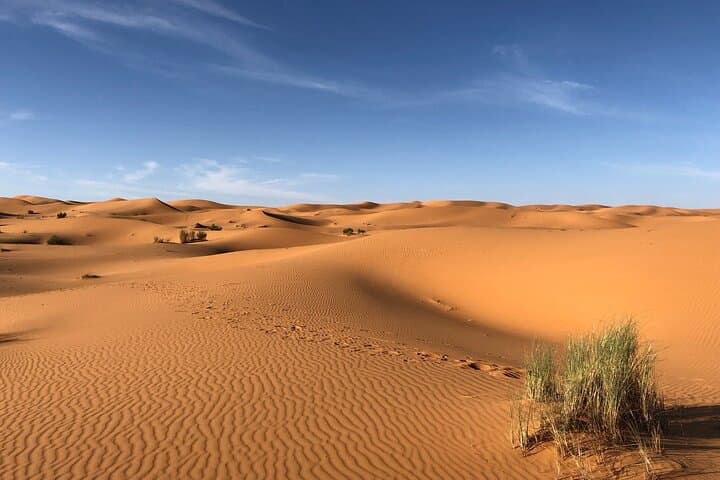
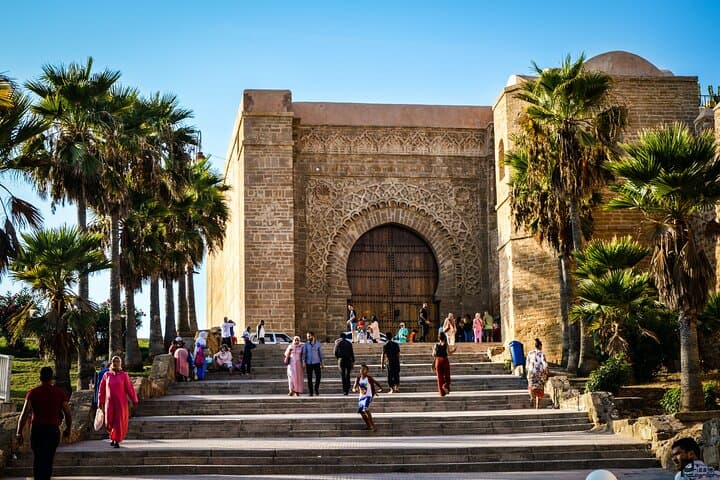
This private 10-day circuit links Morocco’s imperial capitals—Rabat, Meknes, Fez—and the blue alleys of Chefchaouen with the ochre kasbahs of Aït Benhaddou, the film-set skylines of Ouarzazate, and the wind-carved ridges of the Erg Chebbi dunes near Merzouga. Geology is on display: volcanic and folded Atlas peaks (Tizi n'Tichka passes ~2,260 m) give way to sedimentary gorges; Todra’s limestone walls reach roughly 300 m and the Sahara dunes can crest to about 150 m (500 ft).
Culture and history thread the route—Volubilis’ Roman mosaics, medieval madrasas in Fez, the fortified kasbah architecture reflecting Berber and Andalusian influences. Local life still revolves around souks, riad courtyards, palm-grove irrigation and seasonal markets; guides and riad hosts offer entry points into those traditions.
Practical note: expect long drives (examples: Casablanca→Rabat ~130 km/2 h, Fez→Merzouga ~480 km/7 h) so pack for comfort and stamina. Morning is best for medina visits and desert photography; afternoons are prime for high-pass views and coastal breezes. Hydrate, wear sun protection and broken-in walking shoes for uneven alleys and short hikes in gorges. If you plan the camel trek, bring a small daypack—luggage stays with the vehicle. This private format gives flexibility for pacing, photography stops, and accessibility requests—ideal for travelers who want immersion without a rigid schedule.
moderate.
10 days / 9 nights.
Suitable for travelers in average fitness; able to walk 1–3 miles on uneven surfaces and manage several long driving days.
Yes — the tour is private; most operators allow adjustments to pacing, additional stops, or accommodation preferences when requested in advance.
Activities are generally low-impact: urban walking in medinas, short gorge walks, and a 45-minute camel ride; long drive days require stamina more than technical ability.
Local currency is the Moroccan dirham (MAD). Carry small bills for markets and tipping; tipping 5–10 MAD for small services and 5–10% in restaurants is common.
Some riads and historic properties have stairs and limited wheelchair access; the operator notes wheelchair-accessible options—confirm specific needs at booking.
The route threads ancient trade and imperial networks—Volubilis (Roman) and the imperial cities grew as administrative and religious centers from the 8th century onward.
Water scarcity and erosion affect oasis systems and dunes; minimize impact by using local guides, staying on marked paths, and avoiding single-use plastics.
moroccotourspro operates guided outdoor trips and adventures with an emphasis on safety, stewardship, and memorable experiences.
You step off the highway and the air shifts: salt from the Atlantic in Casablanca, cedar smoke in the Middle Atlas, then the dry warmth of the Sahara as dunes rise like a living architecture.
You step off the highway and the air shifts: salt from the Atlantic in Casablanca, cedar smoke in the Middle Atlas, then the dry warmth of the Sahara as dunes rise like a living architecture.
This private 10-day circuit links Morocco’s imperial capitals—Rabat, Meknes, Fez—and the blue alleys of Chefchaouen with the ochre kasbahs of Aït Benhaddou, the film-set skylines of Ouarzazate, and the wind-carved ridges of the Erg Chebbi dunes near Merzouga. Geology is on display: volcanic and folded Atlas peaks (Tizi n'Tichka passes ~2,260 m) give way to sedimentary gorges; Todra’s limestone walls reach roughly 300 m and the Sahara dunes can crest to about 150 m (500 ft).
Culture and history thread the route—Volubilis’ Roman mosaics, medieval madrasas in Fez, the fortified kasbah architecture reflecting Berber and Andalusian influences. Local life still revolves around souks, riad courtyards, palm-grove irrigation and seasonal markets; guides and riad hosts offer entry points into those traditions.
Practical note: expect long drives (examples: Casablanca→Rabat ~130 km/2 h, Fez→Merzouga ~480 km/7 h) so pack for comfort and stamina. Morning is best for medina visits and desert photography; afternoons are prime for high-pass views and coastal breezes. Hydrate, wear sun protection and broken-in walking shoes for uneven alleys and short hikes in gorges. If you plan the camel trek, bring a small daypack—luggage stays with the vehicle. This private format gives flexibility for pacing, photography stops, and accessibility requests—ideal for travelers who want immersion without a rigid schedule.