THE ADVENTURE COLLECTIVE® · Independent discovery and booking for outdoor travel

From Casablanca’s Atlantic edge to the silent dunes of Erg Chebbi, this private 10-day tour stitches Morocco’s imperial cities, Atlas passes and Sahara camps into one linked journey. Expect long drives, intimate medinas and a night under desert stars.
From Casablanca’s Atlantic edge to the silent dunes of Erg Chebbi, this private 10-day tour stitches Morocco’s imperial cities, Atlas passes and Sahara camps into one linked journey. Expect long drives, intimate medinas and a night under desert stars.
Casablanca’s Atlantic breeze slips through the car window as the city’s modern skyline gives way to whitewashed medinas and the blue alleys of Chefchaouen. Over ten days travelers move from ocean-cooled boulevards to cedar forests, Roman ruins and the orange silhouette of Erg Chebbi at sunset.
Verified experiences and guided adventures in the surrounding area.
Operated by Sahara Desert Crew · Casablanca, Grand Casablanca-Settat
Casablanca’s Atlantic breeze slips through the car window as the city’s modern skyline gives way to whitewashed medinas and the blue alleys of Chefchaouen. Over ten days travelers move from ocean-cooled boulevards to cedar forests, Roman ruins and the orange silhouette of Erg Chebbi at sunset.
This route threads Morocco’s layered history: Roman Volubilis’ stone forums, the Almohad minarets of Rabat, Fez’s medieval medina and Marrakech’s Koutoubia. Geologically the trip crosses the Rif and High Atlas—limestone folds and high passes such as Tizi n’Tichka—before spilling into the Sahara where wind shapes dunes into ever-shifting ridgelines that seemingly dare you to climb them at dawn.
Culture here is hands-on: souk bargaining in Fez, rooftop mint tea in riads, and simple nomad hospitality in Merzouga’s desert camp. Expect long drives between stops, intermittent hiking on village tracks, and short walks through compact medinas where locals move with practiced ease.
Practical guidance: travel light with layered clothing—mornings in the High Atlas can be chilly while interiors heat up midday. Bring sturdy walking shoes for cobbled medina streets and dune sand, a sun hat, and a refillable water bottle (water is scarce in parts). Plan photo time at sunrise in the dunes and late afternoon in Chefchaouen to avoid mid-day crowds. Confirm riad pickup locations and be ready for early starts; tipping local guides and drivers is customary. For a balanced trip, allocate rest in Marrakech and Fez between longer road days to keep energy up for desert nights and mountain passes.
easy.
10 days.
Suitable for travelers of average fitness; involves walking on uneven medina streets, short hikes and long road transfers.
Breakfast is included most mornings; two dinners are provided and the desert camp typically includes dinner and breakfast—confirm specifics with the operator.
Short camel rides are broadly accessible, but consider mobility and balance concerns; saddle comfort and lead camels make the ride more manageable.
The tour is suitable for most fitness levels—expect short walks and some uneven terrain; long drives reduce continuous exertion but require stamina for daily activity.
Tipping is customary; consider small daily amounts for guides and drivers and a slightly larger tip at trip end for desert camp staff.
The itinerary links Morocco’s imperial cities—Rabat, Fez, Marrakech—with Roman-era Volubilis and centuries of Berber and Arab influence reflected in kasbahs and medinas.
Water scarcity shapes local life—use refillable bottles and conserve water in riads; stick to marked paths in dunes and gorges to limit erosion and disturbance.
Sahara Desert Crew operates guided outdoor trips and adventures with an emphasis on safety, stewardship, and memorable experiences.
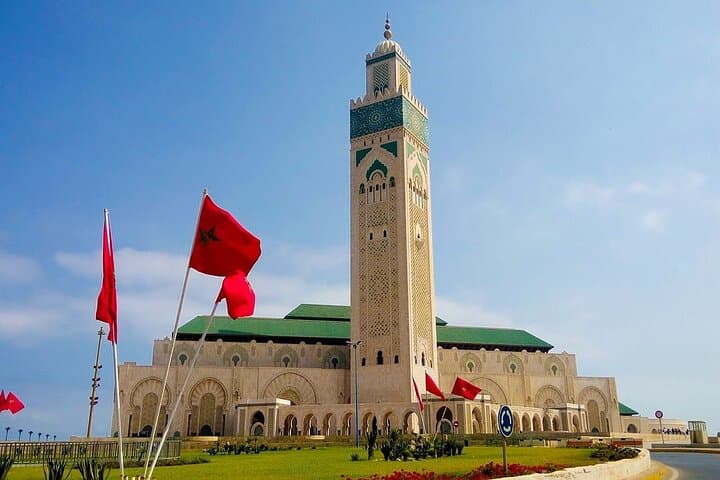
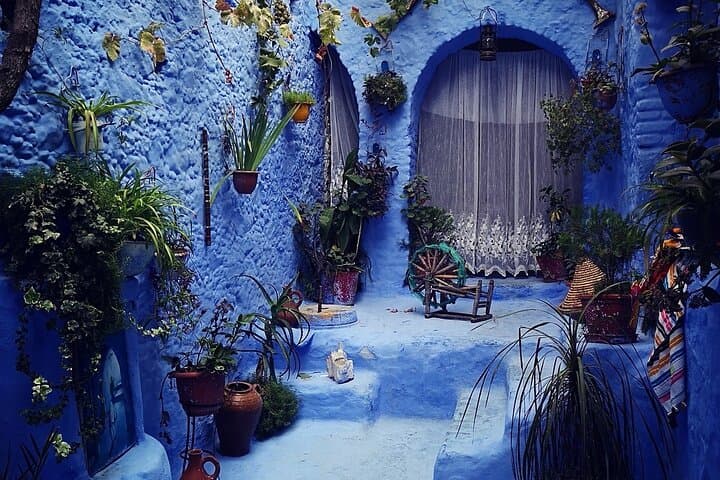
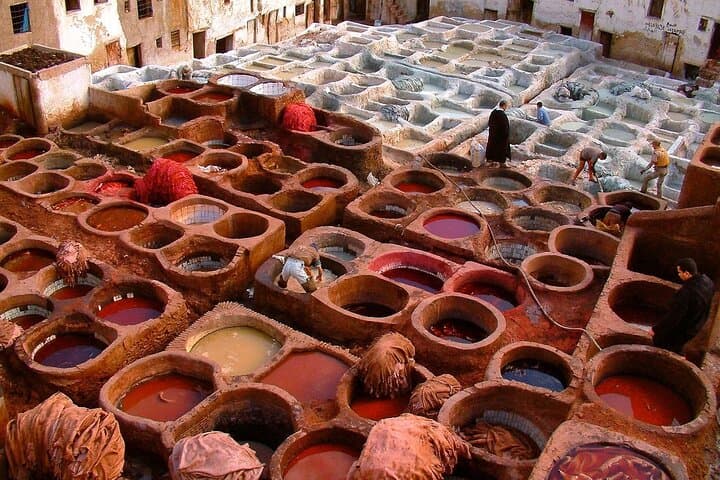
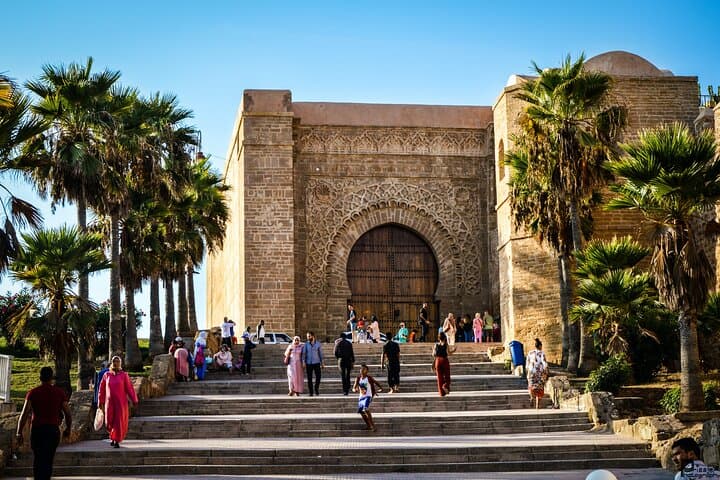
Casablanca’s Atlantic breeze slips through the car window as the city’s modern skyline gives way to whitewashed medinas and the blue alleys of Chefchaouen. Over ten days travelers move from ocean-cooled boulevards to cedar forests, Roman ruins and the orange silhouette of Erg Chebbi at sunset.
Casablanca’s Atlantic breeze slips through the car window as the city’s modern skyline gives way to whitewashed medinas and the blue alleys of Chefchaouen. Over ten days travelers move from ocean-cooled boulevards to cedar forests, Roman ruins and the orange silhouette of Erg Chebbi at sunset.
This route threads Morocco’s layered history: Roman Volubilis’ stone forums, the Almohad minarets of Rabat, Fez’s medieval medina and Marrakech’s Koutoubia. Geologically the trip crosses the Rif and High Atlas—limestone folds and high passes such as Tizi n’Tichka—before spilling into the Sahara where wind shapes dunes into ever-shifting ridgelines that seemingly dare you to climb them at dawn.
Culture here is hands-on: souk bargaining in Fez, rooftop mint tea in riads, and simple nomad hospitality in Merzouga’s desert camp. Expect long drives between stops, intermittent hiking on village tracks, and short walks through compact medinas where locals move with practiced ease.
Practical guidance: travel light with layered clothing—mornings in the High Atlas can be chilly while interiors heat up midday. Bring sturdy walking shoes for cobbled medina streets and dune sand, a sun hat, and a refillable water bottle (water is scarce in parts). Plan photo time at sunrise in the dunes and late afternoon in Chefchaouen to avoid mid-day crowds. Confirm riad pickup locations and be ready for early starts; tipping local guides and drivers is customary. For a balanced trip, allocate rest in Marrakech and Fez between longer road days to keep energy up for desert nights and mountain passes.