THE ADVENTURE COLLECTIVE® · Independent discovery and booking for outdoor travel

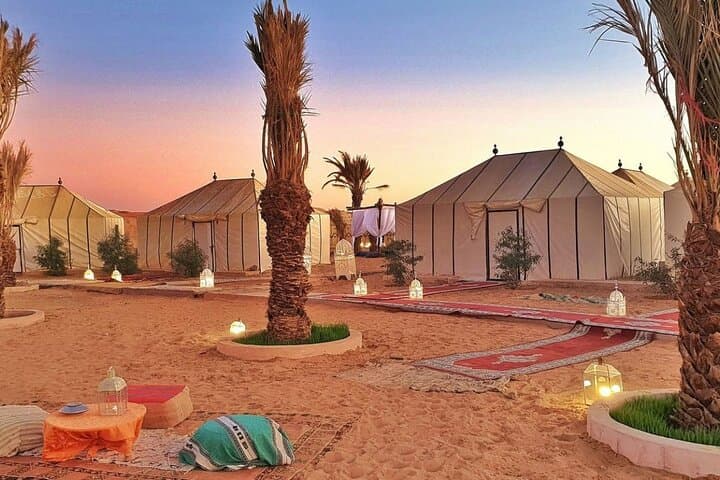
A compact 10-day circuit from Casablanca through Morocco’s imperial cities, Atlas passes and the Sahara—combining market-filled medinas, dramatic gorges and a night under desert stars. Expect long drives, intimate cultural stops, and both comfort and adventure in equal measure.
A compact 10-day circuit from Casablanca through Morocco’s imperial cities, Atlas passes and the Sahara—combining market-filled medinas, dramatic gorges and a night under desert stars. Expect long drives, intimate cultural stops, and both comfort and adventure in equal measure.
The bus eases out of Casablanca before dawn and the city’s Atlantic edge blurs into highway and scrub.
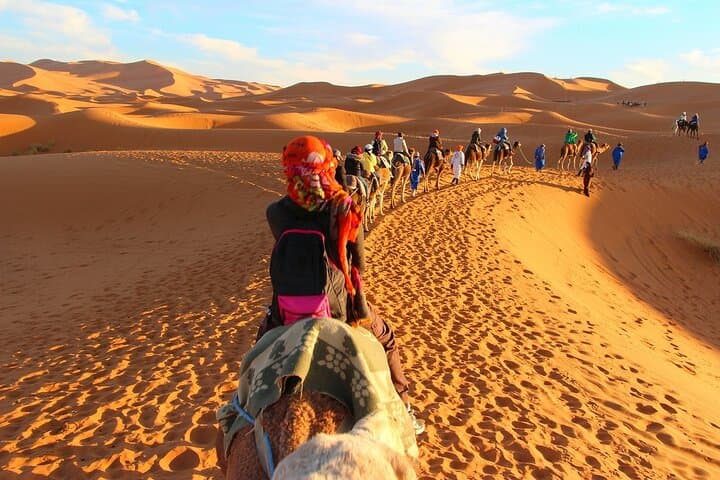
Over ten days you move from seaside mosques to ochre kasbahs, climb mountain passes wrapped in cedar and catch the wind that sculpts Erg Chebbi’s dunes into new shapes each day.
Verified experiences and guided adventures in the surrounding area.
Operated by Morocco-Sahara-Tours · Casablanca, Casablanca-Settat
The bus eases out of Casablanca before dawn and the city’s Atlantic edge blurs into highway and scrub.
Over ten days you move from seaside mosques to ochre kasbahs, climb mountain passes wrapped in cedar and catch the wind that sculpts Erg Chebbi’s dunes into new shapes each day.
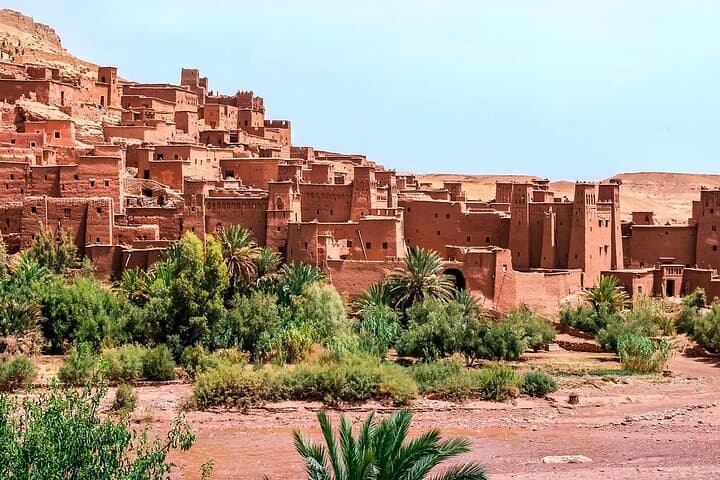
This route threads Morocco’s layered history: Roman mosaics at Volubilis, the medieval alleys of Fes founded around the 9th century, and the fortified, clay-walled Ait Ben Haddou—now a UNESCO site whose ramparts have framed history and film alike. Geology is on display in the High Atlas—granite passes and folded ridges—and in the Todra Gorge, where limestone walls pinch a river into a narrow canyon that seems to dare you to walk it.
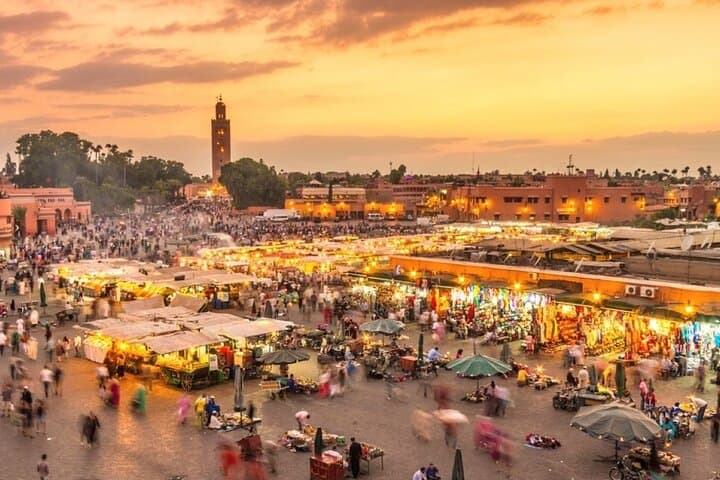
Culturally the trip is a study in contrasts: saffron-scented market stalls and the slow nomadic rhythm of the desert. Chefchaouen’s painted lanes reveal Andalusian influence, while the kasbahs keep the architecture of a dry, defensive world.
Practical notes: expect long driving days between highlights—plan for three- to eight-hour transfers—so pack for comfort and mobility. Time your desert visit for sunrise or sunset when the dunes are coolest and the light is sharpest. Bring layered clothing for hot days and chilly nights in both the desert and highlands, carry plenty of water, and keep small bills for local purchases and tips. Respect local dress codes in medinas and mosques and follow your guide’s advice in fragile ecological areas—sticking to tracks preserves the desert’s slow-moving dunes for future travelers.
moderate.
10 days.
Suitable for travelers comfortable with several hours of walking, boarding camels and long road transfers; no special fitness required.
Pickup and drop-off at Casablanca airport are included—confirm your flight details at booking for exact pickup arrangements.
No—there’s an option to transfer to the desert camp by 4x4 if you prefer not to ride camels.
Expect moderate walking over uneven cobbles and short canyon hikes; sturdy shoes and basic mobility are sufficient.
Breakfast is included most days, with some dinners included (noted on the itinerary); guides will point out local restaurants for other meals.
The itinerary connects Morocco’s imperial cities—Casablanca, Marrakech, Fes and Rabat—and passes Roman Volubilis and the ksar of Ait Ben Haddou, a key trans-Saharan settlement.
Water scarcity and fragile desert soils mean responsible travel matters—stick to marked tracks, minimize single-use plastics and follow local guidance to protect dunes and oases.
Morocco-Sahara-Tours operates guided outdoor trips and adventures with an emphasis on safety, stewardship, and memorable experiences.
The bus eases out of Casablanca before dawn and the city’s Atlantic edge blurs into highway and scrub.
Over ten days you move from seaside mosques to ochre kasbahs, climb mountain passes wrapped in cedar and catch the wind that sculpts Erg Chebbi’s dunes into new shapes each day.
The bus eases out of Casablanca before dawn and the city’s Atlantic edge blurs into highway and scrub.
Over ten days you move from seaside mosques to ochre kasbahs, climb mountain passes wrapped in cedar and catch the wind that sculpts Erg Chebbi’s dunes into new shapes each day.
This route threads Morocco’s layered history: Roman mosaics at Volubilis, the medieval alleys of Fes founded around the 9th century, and the fortified, clay-walled Ait Ben Haddou—now a UNESCO site whose ramparts have framed history and film alike. Geology is on display in the High Atlas—granite passes and folded ridges—and in the Todra Gorge, where limestone walls pinch a river into a narrow canyon that seems to dare you to walk it.
Culturally the trip is a study in contrasts: saffron-scented market stalls and the slow nomadic rhythm of the desert. Chefchaouen’s painted lanes reveal Andalusian influence, while the kasbahs keep the architecture of a dry, defensive world.
Practical notes: expect long driving days between highlights—plan for three- to eight-hour transfers—so pack for comfort and mobility. Time your desert visit for sunrise or sunset when the dunes are coolest and the light is sharpest. Bring layered clothing for hot days and chilly nights in both the desert and highlands, carry plenty of water, and keep small bills for local purchases and tips. Respect local dress codes in medinas and mosques and follow your guide’s advice in fragile ecological areas—sticking to tracks preserves the desert’s slow-moving dunes for future travelers.