THE ADVENTURE COLLECTIVE® · Independent discovery and booking for outdoor travel

A compact 10-day private tour that threads Tokyo’s urban energy with classic outdoors and heritage—Mt. Fuji views, UNESCO Shirakawa‑go, Kyoto temples, Nara’s deer and Hiroshima’s island shrine. Includes English guide, trains and key entrance fees.
A compact 10-day private tour that threads Tokyo’s urban energy with classic outdoors and heritage—Mt. Fuji views, UNESCO Shirakawa‑go, Kyoto temples, Nara’s deer and Hiroshima’s island shrine. Includes English guide, trains and key entrance fees.
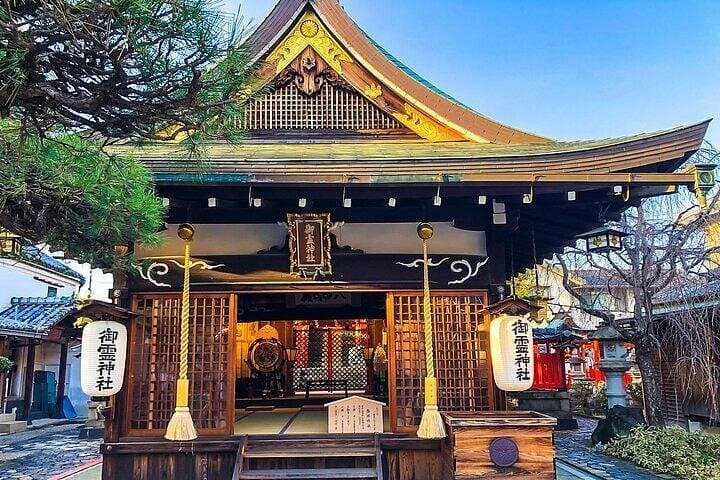
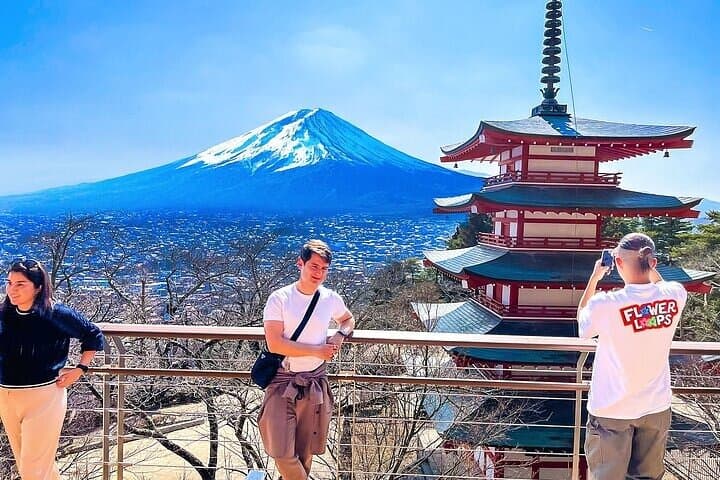
You step out of the station into Tokyo’s pulse — neon signage, a river of commuters and a forested shrine that holds quiet in the city’s center. Over the next ten days the itinerary peels back Japan’s contrasts: Tokyo’s urban rhythm, the stoic cone of Mt. Fuji seen across Lake Kawaguchi, wind-scoured rice terraces and thatched roofs of Shirakawa‑go, the wooden alleys of Takayama, and the layered spirituality of Kyoto and Nara.
Verified experiences and guided adventures in the surrounding area.
Operated by Travel China Guide · Tokyo, Tokyo
You step out of the station into Tokyo’s pulse — neon signage, a river of commuters and a forested shrine that holds quiet in the city’s center. Over the next ten days the itinerary peels back Japan’s contrasts: Tokyo’s urban rhythm, the stoic cone of Mt. Fuji seen across Lake Kawaguchi, wind-scoured rice terraces and thatched roofs of Shirakawa‑go, the wooden alleys of Takayama, and the layered spirituality of Kyoto and Nara.
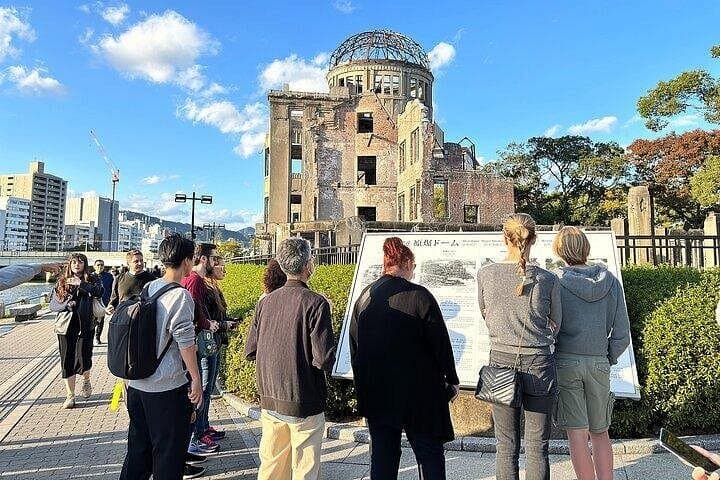
Geology and history show themselves plainly. Mt. Fuji’s volcanic silhouette governs the skyline at Kawaguchi; the gassho‑zukuri farmhouses of Shirakawa‑go reflect centuries of heavy snow management and communal life; Hiroshima’s Peace Park confronts a modern rupture while Miyajima’s floating torii frames tidal change. Cultural threads — tea ceremony in Gion, samurai residences in Kanazawa, market life at Kuromon — keep the trip tactile and immediate.
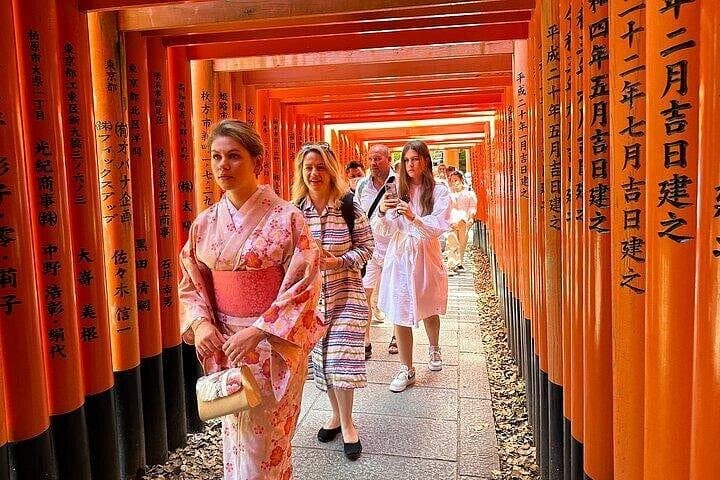
Practically, the tour runs on Japan’s efficient public transport: reserved bullet trains and express buses link cities, with an English-speaking guide and included entry fees for listed sites. Expect moderate daily walking and a few short hikes (Lake Kawaguchi loop, the Fushimi Inari climb). Bring layered clothing for rapid weather shifts, comfortable walking shoes, and a small daypack for temple visits. Mobile tickets and passport details are required; a minimum of two travelers is needed for booking. Plan for early starts to beat crowds at iconic sites and allow time to savor local meals — from kaiseki in Kyoto to street snacks in Asakusa.
easy.
10 days.
Suitable for travelers in regular, everyday fitness; able to walk several hours a day and manage stairs and short climbs.
Yes — the itinerary uses guided transfers and public transport (reserved trains and express buses) and is designed for travelers new to Japan.
Entrance fees to listed sights, public transport per itinerary (express bus, bullet train) and 9 breakfasts are included; check the itinerary details for specific inclusions.
You must confirm visa requirements for your nationality before travel; passport information is required during booking and you must travel with a valid passport.
The tour notes stroller accessibility and lists the program as suitable for all fitness levels, but some sites have stairs and uneven paths — contact the operator to confirm site‑by‑site access.
Sites span Japan’s arc: feudal samurai districts in Kanazawa and Takayama, Kyoto’s millennia of temple culture, and Hiroshima’s modern history memorialized at the Peace Park.
Many heritage sites limit visitor numbers and ask for respectful behavior; stick to paths in Shirakawa‑go and follow shrine rules to minimize impact.
Travel China Guide operates guided outdoor trips and adventures with an emphasis on safety, stewardship, and memorable experiences.
You step out of the station into Tokyo’s pulse — neon signage, a river of commuters and a forested shrine that holds quiet in the city’s center. Over the next ten days the itinerary peels back Japan’s contrasts: Tokyo’s urban rhythm, the stoic cone of Mt. Fuji seen across Lake Kawaguchi, wind-scoured rice terraces and thatched roofs of Shirakawa‑go, the wooden alleys of Takayama, and the layered spirituality of Kyoto and Nara.
You step out of the station into Tokyo’s pulse — neon signage, a river of commuters and a forested shrine that holds quiet in the city’s center. Over the next ten days the itinerary peels back Japan’s contrasts: Tokyo’s urban rhythm, the stoic cone of Mt. Fuji seen across Lake Kawaguchi, wind-scoured rice terraces and thatched roofs of Shirakawa‑go, the wooden alleys of Takayama, and the layered spirituality of Kyoto and Nara.
Geology and history show themselves plainly. Mt. Fuji’s volcanic silhouette governs the skyline at Kawaguchi; the gassho‑zukuri farmhouses of Shirakawa‑go reflect centuries of heavy snow management and communal life; Hiroshima’s Peace Park confronts a modern rupture while Miyajima’s floating torii frames tidal change. Cultural threads — tea ceremony in Gion, samurai residences in Kanazawa, market life at Kuromon — keep the trip tactile and immediate.
Practically, the tour runs on Japan’s efficient public transport: reserved bullet trains and express buses link cities, with an English-speaking guide and included entry fees for listed sites. Expect moderate daily walking and a few short hikes (Lake Kawaguchi loop, the Fushimi Inari climb). Bring layered clothing for rapid weather shifts, comfortable walking shoes, and a small daypack for temple visits. Mobile tickets and passport details are required; a minimum of two travelers is needed for booking. Plan for early starts to beat crowds at iconic sites and allow time to savor local meals — from kaiseki in Kyoto to street snacks in Asakusa.