THE ADVENTURE COLLECTIVE® · Independent discovery and booking for outdoor travel

Ten days across Egypt’s greatest sites: Cairo’s pyramids, a Nile cruise from Aswan to Luxor, and a coastal detour to Alexandria. This private package pairs sleeper-train travel with guided visits to temples, tombs and museums for a compact cultural sweep.
Ten days across Egypt’s greatest sites: Cairo’s pyramids, a Nile cruise from Aswan to Luxor, and a coastal detour to Alexandria. This private package pairs sleeper-train travel with guided visits to temples, tombs and museums for a compact cultural sweep.
You step out of the plane into Cairo's humid dusk and the Nile seems to dare you: a slow current threading millennia of cities and stone. Over ten days you move with that river—by sleeper train and by cruise—through the human geography of pharaohs, Romans and modern Egypt.
Verified experiences and guided adventures in the surrounding area.
Operated by Camel Ride at Giza Pyramids · Cairo, Cairo Governorate
You step out of the plane into Cairo's humid dusk and the Nile seems to dare you: a slow current threading millennia of cities and stone. Over ten days you move with that river—by sleeper train and by cruise—through the human geography of pharaohs, Romans and modern Egypt.
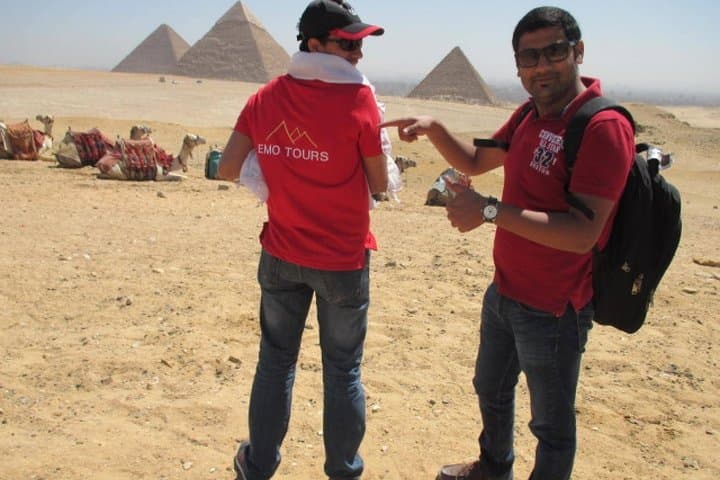
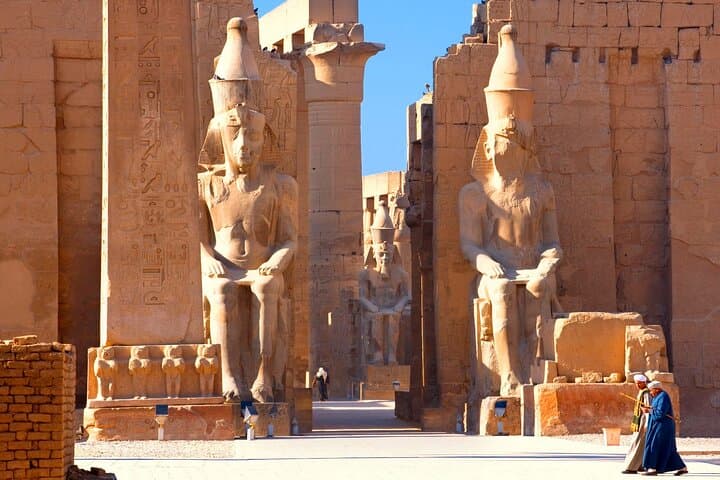
The route is classic: Giza's pyramids and the Sphinx introduce the Old Kingdom's scale; the Egyptian Museum houses Tutankhamen's gold and five millennia of artifacts; Aswan's High Dam and Philae show modern engineering beside Greco-Roman sanctuary stones; Abu Simbel's sandstone façade speaks of Ramesses II's ambition rescued from the rising Nile. Downriver, Edfu and Kom Ombo reveal temple art tied to local cults, and Luxor's Karnak and Valley of the Kings concentrate New Kingdom power into colonnades, tomb corridors and painted chambers. Alexandria adds a Mediterranean layer: Roman ruins, catacombs and the modern Bibliotheca Alexandrina stand where the ancient library once drew scholars.
Expect varied terrain—city streets, gentle Nile shorelines, desert edges and archaeological sites with uneven stone paths. Logistics: two nights in Cairo, sleeper trains to Aswan and back, three nights on a full-board Nile cruise, and hotel stays in Aswan, Luxor and Alexandria. Pace your days: long cultural visits, some optional excursions (hot-air balloon, Abu Simbel by bus), and evening transfers.
Practical tips: carry sun protection and a refillable water bottle, bring modest clothing for religious sites, plan early starts to avoid peak heat, and keep photocopies of travel documents. The tour balances cultural depth with measured travel; it’s ideal for travelers who want an organized, immersive sweep of Egypt’s greatest sites without roughing it in the desert.
moderate.
10 days.
Suitable for travelers in average physical condition who can handle multiple long days of walking and transfers
Most travelers require a visa; many nationalities can obtain an e‑visa or a visa on arrival—check Egypt’s official government portal and allow time to secure documents before travel.
Sleeper trains on this route are a common, serviceable option with private compartments; bring motion-sickness remedies if prone to discomfort and secure valuables when moving through stations.
The package states that entrance fees for listed visits are included; optional excursions like the hot-air balloon or some Abu Simbel transfers may carry extra charges.
Routine vaccinations are advised; carry any prescriptions, use bottled or filtered water, and consult a travel clinic for up-to-date health advice before departure.
This itinerary traces Egypt’s longue durée: Old Kingdom pyramids, New Kingdom temple complexes and Greco-Roman Alexandria all reflect successive layers of urban and ritual development along the Nile.
Rising tourism puts pressure on fragile tomb art and desert ecology; follow site rules, avoid touching ancient surfaces and use refillable containers to reduce waste.
Camel Ride at Giza Pyramids operates guided outdoor trips and adventures with an emphasis on safety, stewardship, and memorable experiences.
You step out of the plane into Cairo's humid dusk and the Nile seems to dare you: a slow current threading millennia of cities and stone. Over ten days you move with that river—by sleeper train and by cruise—through the human geography of pharaohs, Romans and modern Egypt.
You step out of the plane into Cairo's humid dusk and the Nile seems to dare you: a slow current threading millennia of cities and stone. Over ten days you move with that river—by sleeper train and by cruise—through the human geography of pharaohs, Romans and modern Egypt.
The route is classic: Giza's pyramids and the Sphinx introduce the Old Kingdom's scale; the Egyptian Museum houses Tutankhamen's gold and five millennia of artifacts; Aswan's High Dam and Philae show modern engineering beside Greco-Roman sanctuary stones; Abu Simbel's sandstone façade speaks of Ramesses II's ambition rescued from the rising Nile. Downriver, Edfu and Kom Ombo reveal temple art tied to local cults, and Luxor's Karnak and Valley of the Kings concentrate New Kingdom power into colonnades, tomb corridors and painted chambers. Alexandria adds a Mediterranean layer: Roman ruins, catacombs and the modern Bibliotheca Alexandrina stand where the ancient library once drew scholars.
Expect varied terrain—city streets, gentle Nile shorelines, desert edges and archaeological sites with uneven stone paths. Logistics: two nights in Cairo, sleeper trains to Aswan and back, three nights on a full-board Nile cruise, and hotel stays in Aswan, Luxor and Alexandria. Pace your days: long cultural visits, some optional excursions (hot-air balloon, Abu Simbel by bus), and evening transfers.
Practical tips: carry sun protection and a refillable water bottle, bring modest clothing for religious sites, plan early starts to avoid peak heat, and keep photocopies of travel documents. The tour balances cultural depth with measured travel; it’s ideal for travelers who want an organized, immersive sweep of Egypt’s greatest sites without roughing it in the desert.