THE ADVENTURE COLLECTIVE® · Independent discovery and booking for outdoor travel

A private, 10‑day loop through China’s headline destinations — imperial Beijing, high‑altitude Lhasa, Tang dynasty Xi’an and Guilin’s karst river valleys — paced for cultural depth and practical travel. Expect flights, stair climbs, rice‑terrace walks and a scenic Li River cruise.
A private, 10‑day loop through China’s headline destinations — imperial Beijing, high‑altitude Lhasa, Tang dynasty Xi’an and Guilin’s karst river valleys — paced for cultural depth and practical travel. Expect flights, stair climbs, rice‑terrace walks and a scenic Li River cruise.
Morning light on Tiananmen casts long, straight shadows across stone, and within hours you’ll be boarding a private car that threads you through China’s layers — imperial capitals, high‑plateau monasteries, and river‑carved karst hills. This 10‑day private circuit moves deliberately: Beijing’s Forbidden City and Mutianyu Great Wall, a flight into high, thin air at Lhasa with Potala Palace and monastic debates, a deep dive into Xi’an’s Tang and Han legacies at the Terracotta Warriors and City Wall, then south to Guilin’s reed‑lined caves, Longji rice terraces and a four‑hour Li River cruise to Yangshuo.
Verified experiences and guided adventures in the surrounding area.
Operated by happychinatours · Beijing, Beijing
Morning light on Tiananmen casts long, straight shadows across stone, and within hours you’ll be boarding a private car that threads you through China’s layers — imperial capitals, high‑plateau monasteries, and river‑carved karst hills. This 10‑day private circuit moves deliberately: Beijing’s Forbidden City and Mutianyu Great Wall, a flight into high, thin air at Lhasa with Potala Palace and monastic debates, a deep dive into Xi’an’s Tang and Han legacies at the Terracotta Warriors and City Wall, then south to Guilin’s reed‑lined caves, Longji rice terraces and a four‑hour Li River cruise to Yangshuo.
History here reads in stone and temple paint: the Ming and Qing court architecture of Beijing, Tubo and later dynasties’ imprints in Lhasa, Tang cosmopolitanism in Xi’an, and millennia of terrace farming carved into Guangxi karst. Geology alternates between the weathered granite and brick of northern palaces, the uplifted Tibetan plateau at ~3,650 m where yaks graze, and the limestone towers of the Li River that shaped local settlement and rice culture.
Practical guidance: expect multiple domestic flights, several short to moderate hikes and extensive stair climbs (Mutianyu watchtowers, Ping'an steps). Acclimatize 24–48 hours in Lhasa, carry travel documents and local cash, and plan flexible layovers — weather and domestic schedules can shift. Footwear should be sturdy with good tread; a layered system handles Beijing’s dusty sun and Lhasa’s sharp cold. Bring sun protection, rehydration salts, and a small first‑aid kit. Pace your days: cultural sites reward slow attention, and the best photos often come in the hour after sunrise or toward dusk on the Li River and terrace platforms.
moderate.
10 days.
Good general fitness for walking, stairs and short hikes; not technical but expect long days and altitude in Lhasa.
Yes — most travelers require a Chinese visa before arrival; check your embassy for current entry rules and apply well in advance.
Days include city walking, stair climbs (Great Wall, palace steps) and a moderate 30–60 minute uphill walk at Longji; overall activity is moderate but continuous.
Symptoms vary; mild headache and breathlessness are common. Rest 24–48 hours, hydrate, avoid alcohol, and consult your doctor about prophylactic meds.
Yes — the itinerary includes economy class domestic flights between Beijing–Lhasa, Lhasa–Xi’an and Xi’an–Guilin as stated in the inclusions.
The route links China’s imperial heartlands and frontier cultures: Beijing and Xi’an were long political centers, while Lhasa developed as a religious and administrative seat shaped by Tibetan Buddhist institutions.
The Tibetan Plateau and Guangxi karst are ecologically sensitive; stick to trails, avoid single‑use plastics and respect local herding and farming practices to reduce visitor impact.
happychinatours operates guided outdoor trips and adventures with an emphasis on safety, stewardship, and memorable experiences.
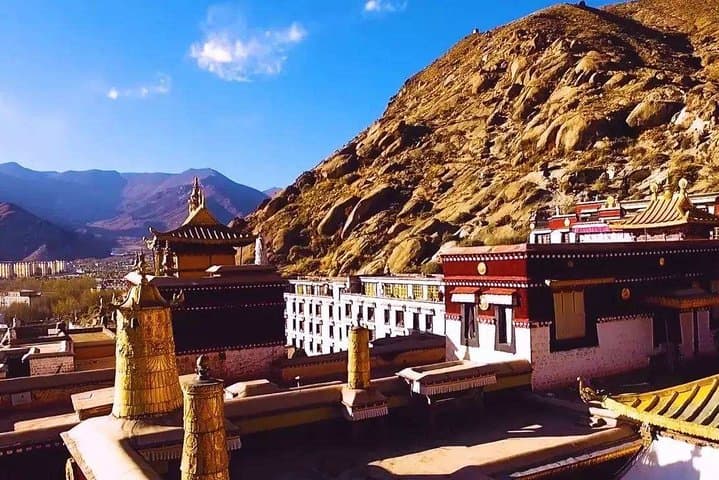
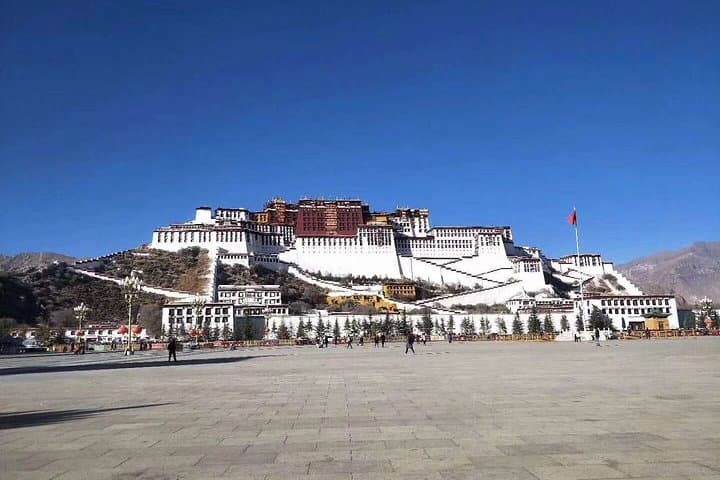
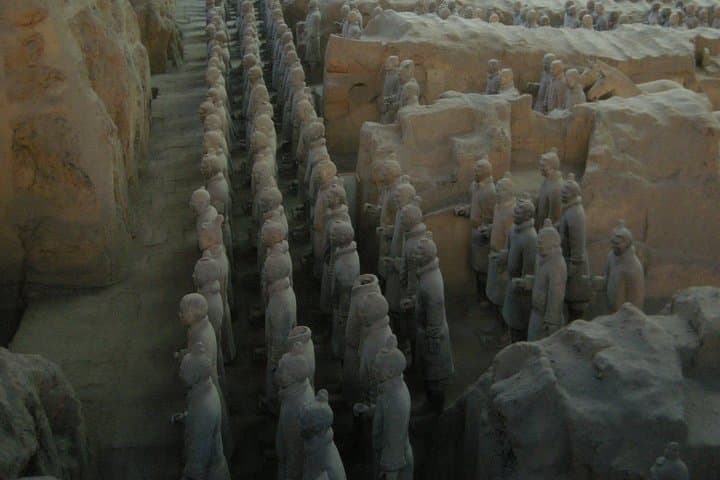
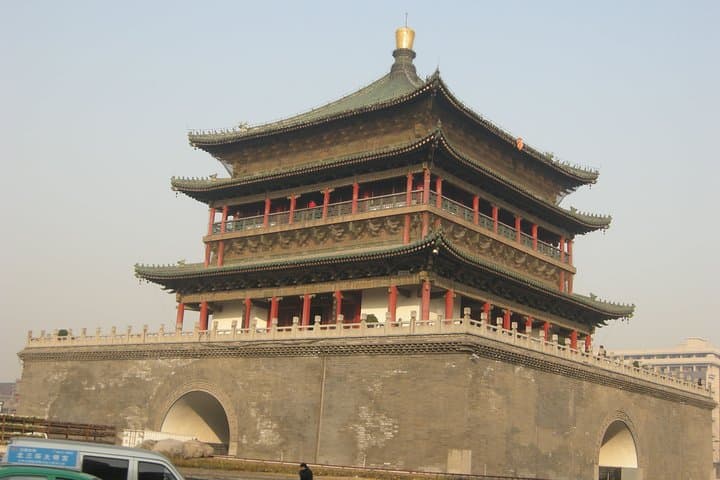
Morning light on Tiananmen casts long, straight shadows across stone, and within hours you’ll be boarding a private car that threads you through China’s layers — imperial capitals, high‑plateau monasteries, and river‑carved karst hills. This 10‑day private circuit moves deliberately: Beijing’s Forbidden City and Mutianyu Great Wall, a flight into high, thin air at Lhasa with Potala Palace and monastic debates, a deep dive into Xi’an’s Tang and Han legacies at the Terracotta Warriors and City Wall, then south to Guilin’s reed‑lined caves, Longji rice terraces and a four‑hour Li River cruise to Yangshuo.
Morning light on Tiananmen casts long, straight shadows across stone, and within hours you’ll be boarding a private car that threads you through China’s layers — imperial capitals, high‑plateau monasteries, and river‑carved karst hills. This 10‑day private circuit moves deliberately: Beijing’s Forbidden City and Mutianyu Great Wall, a flight into high, thin air at Lhasa with Potala Palace and monastic debates, a deep dive into Xi’an’s Tang and Han legacies at the Terracotta Warriors and City Wall, then south to Guilin’s reed‑lined caves, Longji rice terraces and a four‑hour Li River cruise to Yangshuo.
History here reads in stone and temple paint: the Ming and Qing court architecture of Beijing, Tubo and later dynasties’ imprints in Lhasa, Tang cosmopolitanism in Xi’an, and millennia of terrace farming carved into Guangxi karst. Geology alternates between the weathered granite and brick of northern palaces, the uplifted Tibetan plateau at ~3,650 m where yaks graze, and the limestone towers of the Li River that shaped local settlement and rice culture.
Practical guidance: expect multiple domestic flights, several short to moderate hikes and extensive stair climbs (Mutianyu watchtowers, Ping'an steps). Acclimatize 24–48 hours in Lhasa, carry travel documents and local cash, and plan flexible layovers — weather and domestic schedules can shift. Footwear should be sturdy with good tread; a layered system handles Beijing’s dusty sun and Lhasa’s sharp cold. Bring sun protection, rehydration salts, and a small first‑aid kit. Pace your days: cultural sites reward slow attention, and the best photos often come in the hour after sunrise or toward dusk on the Li River and terrace platforms.