THE ADVENTURE COLLECTIVE® · Independent discovery and booking for outdoor travel

Begin your Peru trip gently in Arequipa and build altitude gradually through Colca, Puno and Cusco before visiting Machu Picchu. This 10-day itinerary mixes geology, colonial architecture and living Andean culture with practical pacing for acclimatization.
Begin your Peru trip gently in Arequipa and build altitude gradually through Colca, Puno and Cusco before visiting Machu Picchu. This 10-day itinerary mixes geology, colonial architecture and living Andean culture with practical pacing for acclimatization.
You step off the plane into Arequipa at roughly 2,335 m and the air feels clean and thin; white volcanic rock buildings catch the light while Misti and Chachani stand motionless on the horizon. The city’s plazas and narrow streets are an easy first day of movement, the kind of slow approach that protects your lungs for higher passes to come.
Verified experiences and guided adventures in the surrounding area.
Operated by Arequipa Tour · Arequipa, Arequipa
You step off the plane into Arequipa at roughly 2,335 m and the air feels clean and thin; white volcanic rock buildings catch the light while Misti and Chachani stand motionless on the horizon. The city’s plazas and narrow streets are an easy first day of movement, the kind of slow approach that protects your lungs for higher passes to come.
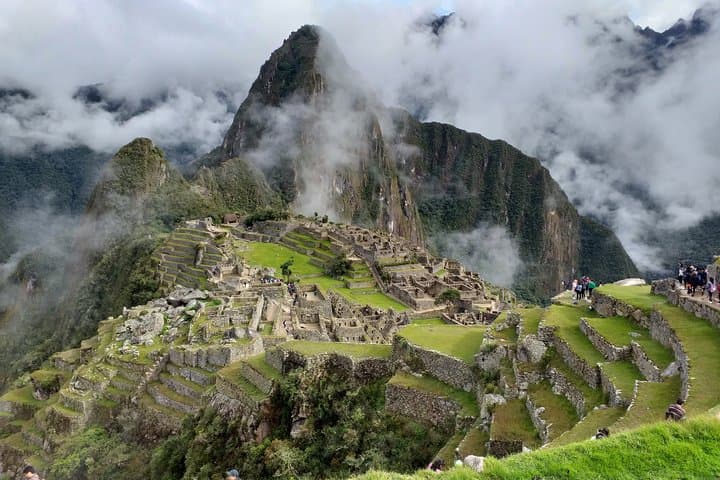
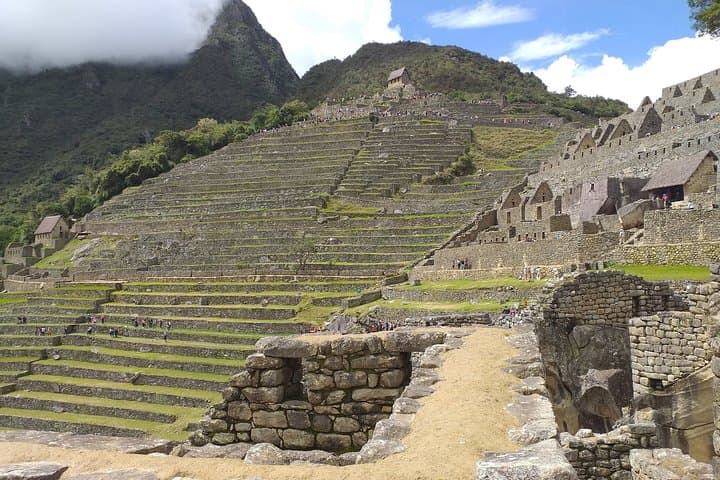
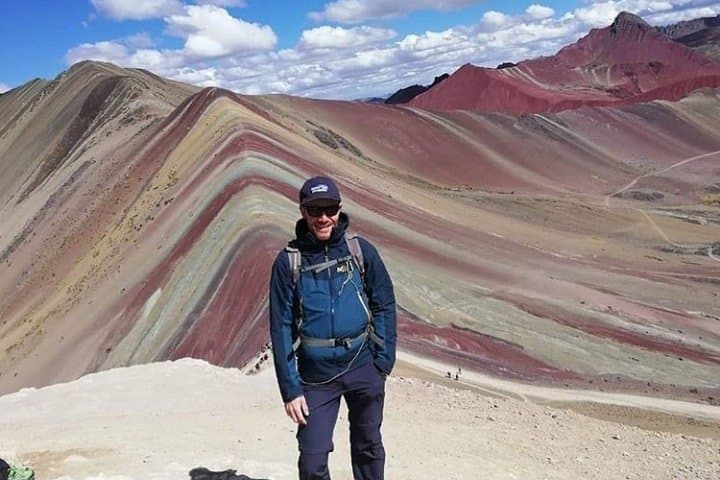
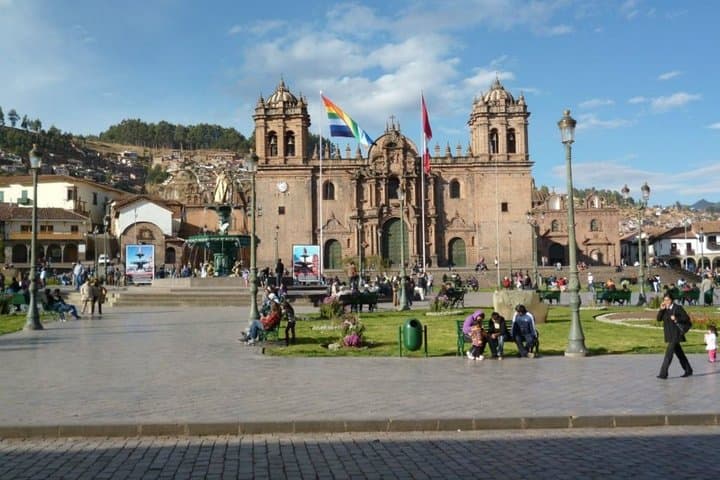
This 10-day loop threads colonial Arequipa with high Andean reserves, the dizzying walls of Colca Canyon and the altiplano shores of Lake Titicaca before climbing to Cusco’s Inca heart and the train to Machu Picchu. Geology is visible everywhere: sillar stone in Arequipa, volcanic summits punctuating the high plains, terraces hewn by Inca engineering in the Sacred Valley and salt pans at Maras carved into steep slopes. Culture is equally present — Quechua and Aymara communities on Taquile and traditional weavers in Pisac keep pre-Columbian techniques alive.
Expect long drives (several 3–5 hour road stretches), one night bus between Puno and Cusco, and a very early train run to Aguas Calientes for a guided tour of Machu Picchu. Key altitudes: Arequipa ~2,335 m, Colca high pass near 4,900 m, Puno/Lake Titicaca ~3,800–3,900 m, Cusco ~3,400 m, Machu Picchu ~2,430 m — plan acclimatization, hydrate, and pace efforts. Carry layered clothing for sharp diurnal swings, sunscreen for high-altitude sun, and small bills for entrance fees and tips. The route balances cultural immersion and high-mountain landscapes; allow your body a day or two to adapt and you’ll get more from every viewpoint.
moderate.
10 days.
Moderate fitness recommended — able to handle multiple hours of walking, stairs and long vehicle transfers at high altitude.
Yes — Machu Picchu tickets are tied to passport information, and many checkpoints require you to show it; keep a photocopy stored separately.
Ascend slowly, hydrate, avoid alcohol for the first 48 hours, consider acetazolamide only after consulting a physician, and rest if you feel serious symptoms like severe headache or breathing difficulty.
Cruz del Sur operates the night bus included in the itinerary; it’s a common, relatively comfortable option, but expect limited legroom and bring earplugs and a warm layer.
Some parts of the itinerary (city tours and certain transport) list wheelchair accessibility, but many archaeological sites and boats have steps — check specifics ahead for each stop.
Arequipa’s colonial core is largely built from sillar, a white volcanic stone; the route links colonial-era towns with Inca-period terraces and pre-Inca mortuary sites like Sillustani.
Support community-run enterprises and avoid single-use plastics; stay on marked paths, don’t feed wildlife and buy artisan goods directly from local families to keep benefits in the communities.
Arequipa Tour operates guided outdoor trips and adventures with an emphasis on safety, stewardship, and memorable experiences.
You step off the plane into Arequipa at roughly 2,335 m and the air feels clean and thin; white volcanic rock buildings catch the light while Misti and Chachani stand motionless on the horizon. The city’s plazas and narrow streets are an easy first day of movement, the kind of slow approach that protects your lungs for higher passes to come.
You step off the plane into Arequipa at roughly 2,335 m and the air feels clean and thin; white volcanic rock buildings catch the light while Misti and Chachani stand motionless on the horizon. The city’s plazas and narrow streets are an easy first day of movement, the kind of slow approach that protects your lungs for higher passes to come.
This 10-day loop threads colonial Arequipa with high Andean reserves, the dizzying walls of Colca Canyon and the altiplano shores of Lake Titicaca before climbing to Cusco’s Inca heart and the train to Machu Picchu. Geology is visible everywhere: sillar stone in Arequipa, volcanic summits punctuating the high plains, terraces hewn by Inca engineering in the Sacred Valley and salt pans at Maras carved into steep slopes. Culture is equally present — Quechua and Aymara communities on Taquile and traditional weavers in Pisac keep pre-Columbian techniques alive.
Expect long drives (several 3–5 hour road stretches), one night bus between Puno and Cusco, and a very early train run to Aguas Calientes for a guided tour of Machu Picchu. Key altitudes: Arequipa ~2,335 m, Colca high pass near 4,900 m, Puno/Lake Titicaca ~3,800–3,900 m, Cusco ~3,400 m, Machu Picchu ~2,430 m — plan acclimatization, hydrate, and pace efforts. Carry layered clothing for sharp diurnal swings, sunscreen for high-altitude sun, and small bills for entrance fees and tips. The route balances cultural immersion and high-mountain landscapes; allow your body a day or two to adapt and you’ll get more from every viewpoint.