THE ADVENTURE COLLECTIVE® · Independent discovery and booking for outdoor travel

This 10-day journey threads the Amazon’s river corridors with the high stonework of the Incas and the reed islands of Titicaca. Expect riverboats, jungle trails, Inca terraces and highland vistas—with practical tips for altitude, transfers and packing.
This 10-day journey threads the Amazon’s river corridors with the high stonework of the Incas and the reed islands of Titicaca. Expect riverboats, jungle trails, Inca terraces and highland vistas—with practical tips for altitude, transfers and packing.
You step off a short domestic flight into humid air and a cathedral of green—riverbanks pushing the forest toward you like a living tide. Within days you trade the Tambopata’s shadowed trails and twilight boat rides for highland stonework and mountain air: Cusco’s cobbled alleys, the terraces of Moray, the switchback train to Aguas Calientes and the wind-bent shores of Lake Titicaca.
Verified experiences and guided adventures in the surrounding area.
Operated by Cultural Immersion Travel Peru E.I.R.L. · Lima, Lima Province
You step off a short domestic flight into humid air and a cathedral of green—riverbanks pushing the forest toward you like a living tide. Within days you trade the Tambopata’s shadowed trails and twilight boat rides for highland stonework and mountain air: Cusco’s cobbled alleys, the terraces of Moray, the switchback train to Aguas Calientes and the wind-bent shores of Lake Titicaca.
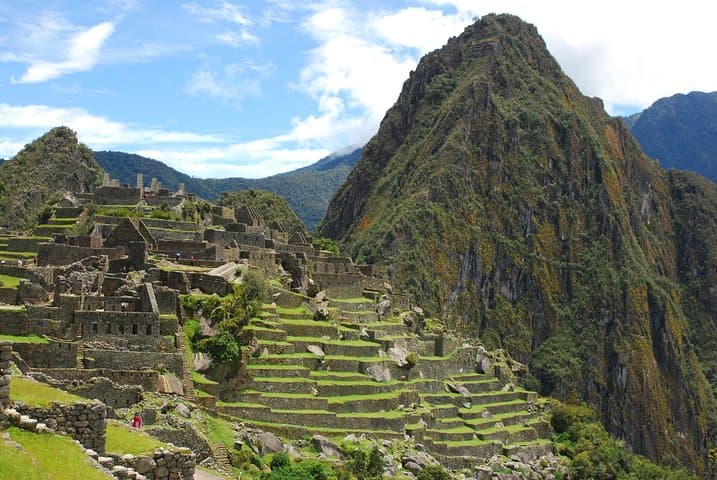
Geology and history read openly here. The lowland Amazon is young, floodplain and oxbow lakes carved by the Madre de Dios; the Andes rise abruptly from 200 m in Puerto Maldonado to Cusco’s 3,400 m and La Raya pass at roughly 4,300 m. Inca engineers hewed terraces and channels that still drain slopes above the Sacred Valley; at Titicaca you’ll see totora reeds used for islands and boats, a living technique centuries old.
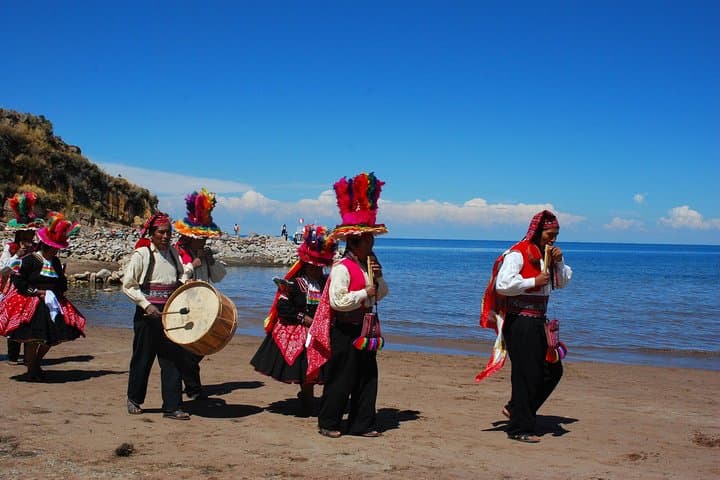
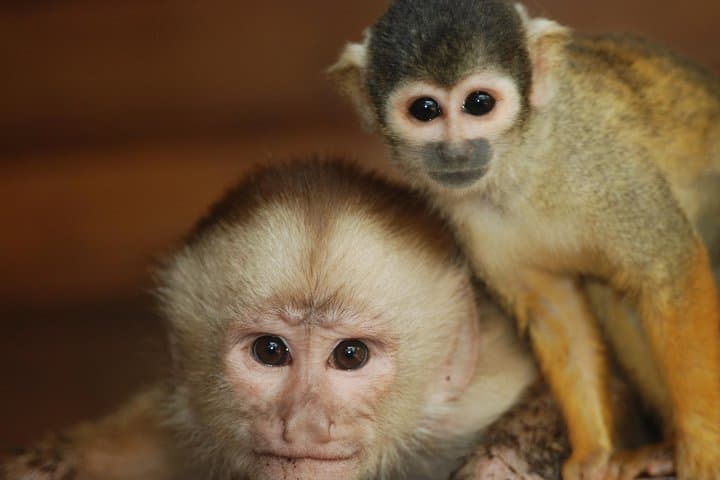
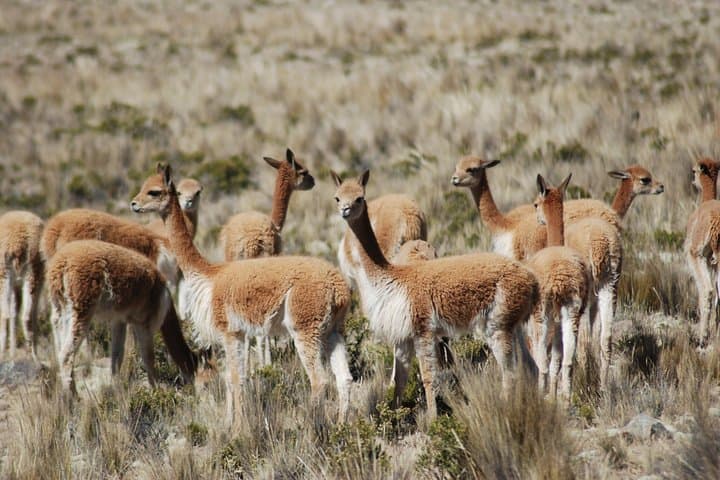
Cultural threads are immediate: local Quechua communities in the Sacred Valley, the reed-grown economy of the Uros, and guides who grew up hunting and foraging in the Amazon. Wildlife is equal parts visible and elusive—macaws, capybaras and night caimans in the jungle; Andean condors and llamas in the high country.
Practical guidance: expect a mix of travel modes—1–2 hour river transfers, 1.5-hour scenic train, and a 9-hour coach between Cusco and Puno. Altitude acclimatization matters—plan light activity on arrival to Cusco, carry layers, hydration and altitude meds if prone to symptoms. In the Amazon bring insect repellent, quick-dry clothing and a small daypack; electricity at some jungle lodges is intermittent. The trip balances lowland biodiversity with highland archaeology—pack for both ecosystems and time your camera for both dawn chorus and sunset over Titicaca.
moderate.
10 days.
Moderate fitness: able to handle multi-hour walking at altitude, river transfers and short boat rides; basic stamina for uneven terrain is recommended
The tour mixes lowland jungle walks and boat rides with moderate highland hiking; most days involve 1–4 hours of walking and some long transfers—overall a moderate level of exertion.
Vaccination requirements vary; yellow fever is recommended for Amazon travel and you should check current CDC or local health guidance before departure.
Yes—this tour includes 9 nights’ accommodation and most breakfasts, lunches and some dinners as specified in the itinerary.
Lodges often limit the size of bags taken by boat; pack a small bag for the lodge and leave larger luggage in storage at Puerto Maldonado as instructed.
The route threads pre-Columbian and colonial history—from Inca terraces and salt pans to the reed-based livelihoods on Lake Titicaca—showing continuity of engineering and craft.
Conservation efforts focus on community-based tourism and protected reserves in Tambopata; visitors should follow guide instructions, avoid single-use plastics and respect wildlife distances.
Cultural Immersion Travel Peru E.I.R.L. operates guided outdoor trips and adventures with an emphasis on safety, stewardship, and memorable experiences.
You step off a short domestic flight into humid air and a cathedral of green—riverbanks pushing the forest toward you like a living tide. Within days you trade the Tambopata’s shadowed trails and twilight boat rides for highland stonework and mountain air: Cusco’s cobbled alleys, the terraces of Moray, the switchback train to Aguas Calientes and the wind-bent shores of Lake Titicaca.
You step off a short domestic flight into humid air and a cathedral of green—riverbanks pushing the forest toward you like a living tide. Within days you trade the Tambopata’s shadowed trails and twilight boat rides for highland stonework and mountain air: Cusco’s cobbled alleys, the terraces of Moray, the switchback train to Aguas Calientes and the wind-bent shores of Lake Titicaca.
Geology and history read openly here. The lowland Amazon is young, floodplain and oxbow lakes carved by the Madre de Dios; the Andes rise abruptly from 200 m in Puerto Maldonado to Cusco’s 3,400 m and La Raya pass at roughly 4,300 m. Inca engineers hewed terraces and channels that still drain slopes above the Sacred Valley; at Titicaca you’ll see totora reeds used for islands and boats, a living technique centuries old.
Cultural threads are immediate: local Quechua communities in the Sacred Valley, the reed-grown economy of the Uros, and guides who grew up hunting and foraging in the Amazon. Wildlife is equal parts visible and elusive—macaws, capybaras and night caimans in the jungle; Andean condors and llamas in the high country.
Practical guidance: expect a mix of travel modes—1–2 hour river transfers, 1.5-hour scenic train, and a 9-hour coach between Cusco and Puno. Altitude acclimatization matters—plan light activity on arrival to Cusco, carry layers, hydration and altitude meds if prone to symptoms. In the Amazon bring insect repellent, quick-dry clothing and a small daypack; electricity at some jungle lodges is intermittent. The trip balances lowland biodiversity with highland archaeology—pack for both ecosystems and time your camera for both dawn chorus and sunset over Titicaca.