THE ADVENTURE COLLECTIVE® · Independent discovery and booking for outdoor travel

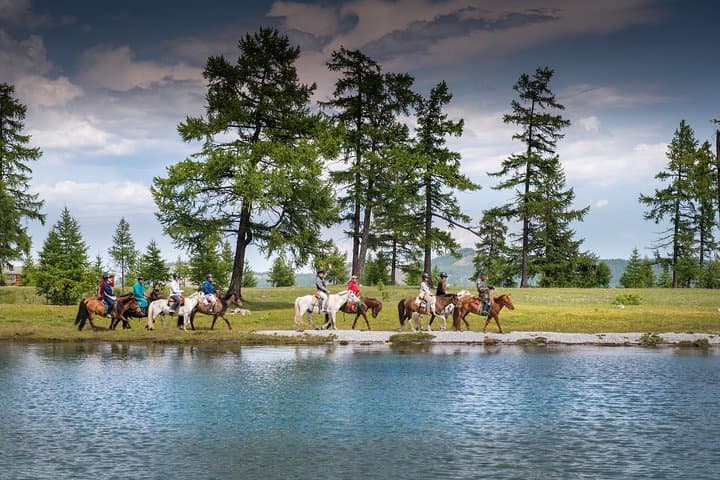
Traverse Mongolia from Ulaanbaatar to Khuvsgul Lake on a 10-day loop that pairs Buddhist monasteries and volcanic landscapes with nomadic culture. Expect long drives, optional horse and camel rides, and remote ger stays amid forests, craters and steppe.
Traverse Mongolia from Ulaanbaatar to Khuvsgul Lake on a 10-day loop that pairs Buddhist monasteries and volcanic landscapes with nomadic culture. Expect long drives, optional horse and camel rides, and remote ger stays amid forests, craters and steppe.
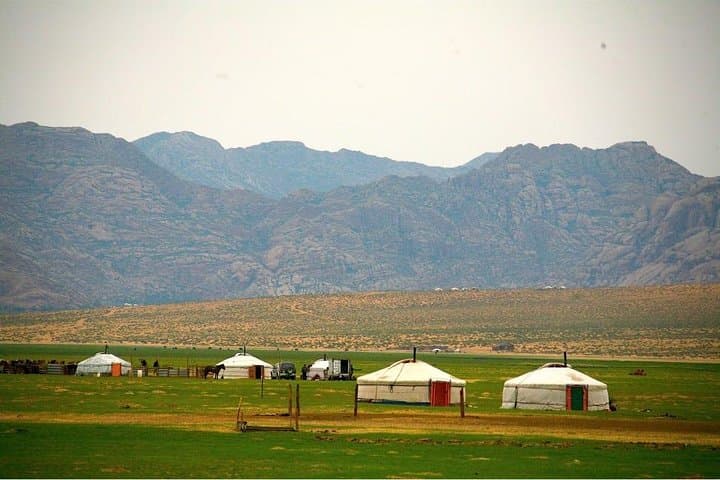
You step out of the van into a wind that carries pine sap and cold water; Khuvsgul’s shoreline stretches like a low blue horizon and the taiga breathes around you. Over ten days this route threads Buddhist temples, extinct volcanic rims and the open steppe, moving from the cosmopolitan bustle of Ulaanbaatar into backcountry where gers smoke and herds graze.
Verified experiences and guided adventures in the surrounding area.
Operated by Mongolian Vision Tours · Ulaanbaatar, Ulaanbaatar
You step out of the van into a wind that carries pine sap and cold water; Khuvsgul’s shoreline stretches like a low blue horizon and the taiga breathes around you. Over ten days this route threads Buddhist temples, extinct volcanic rims and the open steppe, moving from the cosmopolitan bustle of Ulaanbaatar into backcountry where gers smoke and herds graze.
The trip visits Amarbayasgalant Monastery (built 1727–1736), a peak example of 18th-century Buddhist architecture, then arcs to Uran Togoo’s tidy 500 m–diameter crater and Khorgo volcano (≈2,240 m) whose lava flows shaped lakes and forests. Geology here is recent—volcanic cones and lava fields punctuate rolling grasslands—and the ecology ranges from taiga around Khuvsgul (one of Asia’s largest freshwater reservoirs) to semi-desert pockets near Khugnu Khaan.
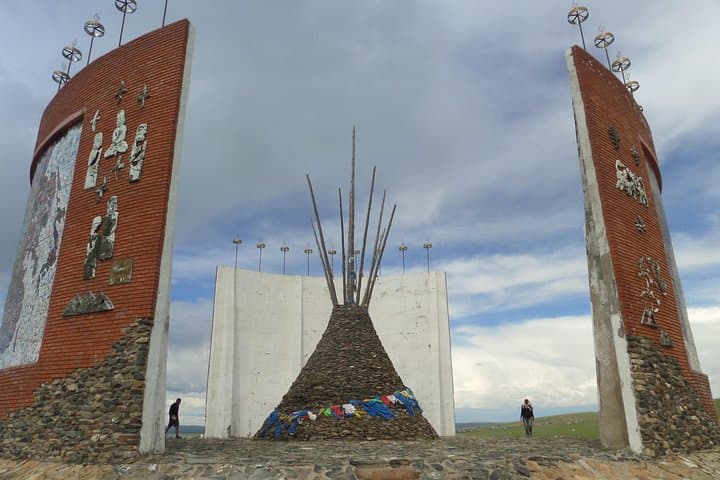
Culturally, expect encounters with Darkhad and Tsaatan (reindeer) communities; nomadic life remains visible in family gers, horse tack and ritual offerings at shrines. Trails are generally untechnical but high passes exceed 2,000 m and days include long drives (multiple 200–400 km transfers).
Practical guide: travel light but layer for sharp temperature swings, bring cash for remote markets and pack a reliable water filter. Horse or camel rides are optional; footwear should handle muddy shorelines and rocky volcanic slopes. Allow two nights at Khuvsgul to acclimate and book ger stays in advance during peak summer. Respect local customs—ask before photographing people and avoid leaving waste in fragile taiga zones. With basic fitness and sensible gear, this itinerary delivers classic Mongolian landscapes and cultural encounters without technical climbing.
moderate.
10 days.
Suitable for travelers in average fitness who can handle multiple days of short hikes, short horse/camel rides, and long vehicle transfers.
Late June through August offers the best weather for access and wildflowers; June can be wet and spring/fall are cooler with some road closures possible.
Park entrance fees are typical; visiting indigenous camps usually requires permission—your guide will arrange permits and introductions.
Most hikes are short to moderate and non-technical; optional climbs to volcanic rims are steeper but do not require technical gear.
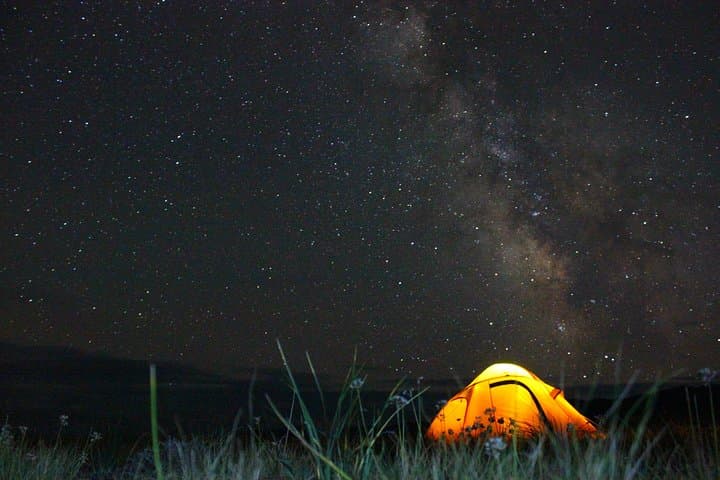
Nights alternate between tourist ger camps, nomadic family gers and simple guesthouses—expect shared facilities in remote areas.
Amarbayasgalant Monastery was constructed 1727–1736 by a Manchu commission to honor Mongolian spiritual leader Zanabazar and survived 20th-century purges due to its cultural value.
The Khuvsgul taiga is ecologically sensitive—travelers should minimize campfire impacts, carry out waste, and support local conservation fees and community-run tourism.
Mongolian Vision Tours operates guided outdoor trips and adventures with an emphasis on safety, stewardship, and memorable experiences.
You step out of the van into a wind that carries pine sap and cold water; Khuvsgul’s shoreline stretches like a low blue horizon and the taiga breathes around you. Over ten days this route threads Buddhist temples, extinct volcanic rims and the open steppe, moving from the cosmopolitan bustle of Ulaanbaatar into backcountry where gers smoke and herds graze.
You step out of the van into a wind that carries pine sap and cold water; Khuvsgul’s shoreline stretches like a low blue horizon and the taiga breathes around you. Over ten days this route threads Buddhist temples, extinct volcanic rims and the open steppe, moving from the cosmopolitan bustle of Ulaanbaatar into backcountry where gers smoke and herds graze.
The trip visits Amarbayasgalant Monastery (built 1727–1736), a peak example of 18th-century Buddhist architecture, then arcs to Uran Togoo’s tidy 500 m–diameter crater and Khorgo volcano (≈2,240 m) whose lava flows shaped lakes and forests. Geology here is recent—volcanic cones and lava fields punctuate rolling grasslands—and the ecology ranges from taiga around Khuvsgul (one of Asia’s largest freshwater reservoirs) to semi-desert pockets near Khugnu Khaan.
Culturally, expect encounters with Darkhad and Tsaatan (reindeer) communities; nomadic life remains visible in family gers, horse tack and ritual offerings at shrines. Trails are generally untechnical but high passes exceed 2,000 m and days include long drives (multiple 200–400 km transfers).
Practical guide: travel light but layer for sharp temperature swings, bring cash for remote markets and pack a reliable water filter. Horse or camel rides are optional; footwear should handle muddy shorelines and rocky volcanic slopes. Allow two nights at Khuvsgul to acclimate and book ger stays in advance during peak summer. Respect local customs—ask before photographing people and avoid leaving waste in fragile taiga zones. With basic fitness and sensible gear, this itinerary delivers classic Mongolian landscapes and cultural encounters without technical climbing.