THE ADVENTURE COLLECTIVE® · Independent discovery and booking for outdoor travel

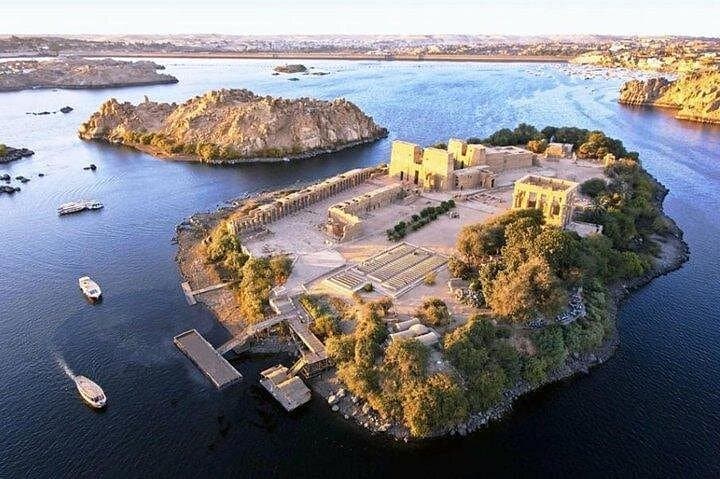
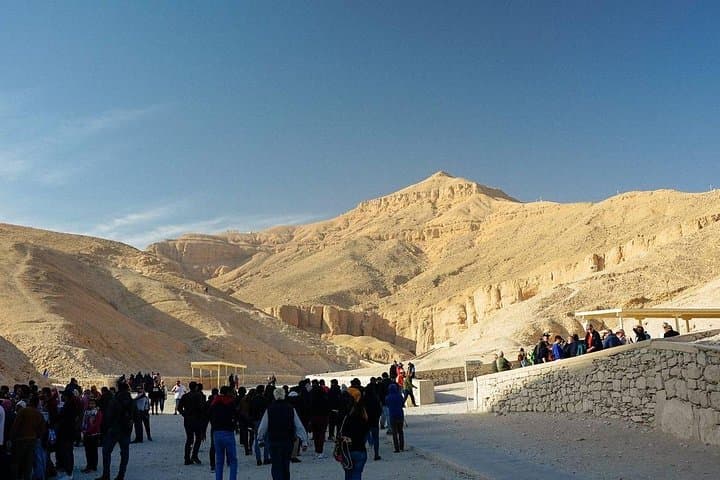
Sail ten days between Luxor and Lake Nasser, visiting the Valley of the Kings, Philae, Kom Ombo and a night at Abu Simbel. This mixed Nile and Lake cruise pairs relaxed days on deck with guided archaeological excursions.
Sail ten days between Luxor and Lake Nasser, visiting the Valley of the Kings, Philae, Kom Ombo and a night at Abu Simbel. This mixed Nile and Lake cruise pairs relaxed days on deck with guided archaeological excursions.
You step off the plane into Luxor’s warm light and the Nile’s slow current seems to remember every pharaoh that ever sailed it. The cruise berth waits—white railings, shaded sundeck, the distant profile of columns and minarets—and for ten days you ride a living corridor of history from the Valley of the Kings to the quiet bays of Lake Nasser.
Verified experiences and guided adventures in the surrounding area.
Operated by IBERMUNDO TRAVEL - DAILY TOUR EGYPT - CAIRO · Luxor, Luxor
You step off the plane into Luxor’s warm light and the Nile’s slow current seems to remember every pharaoh that ever sailed it. The cruise berth waits—white railings, shaded sundeck, the distant profile of columns and minarets—and for ten days you ride a living corridor of history from the Valley of the Kings to the quiet bays of Lake Nasser.
The river valley here is a geological seam where the desert’s sandstone escarpments fall to a ribbon of alluvial soil. Civilization clustered along that ribbon for millennia; tombs cut into rock faces record New Kingdom power, while temples like Karnak and Philae display layered religious life from pharaohs to Ptolemies and Romans. Southward on Lake Nasser, the landscape opens—broad water punctuated by temple ruins that survived the creation of the modern reservoir.
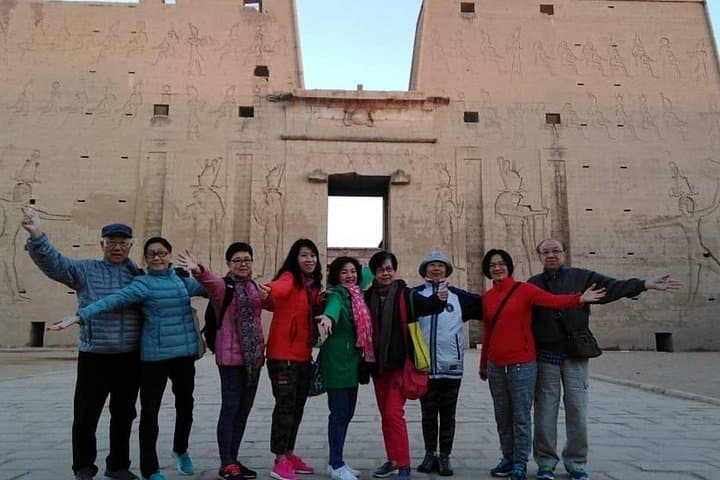
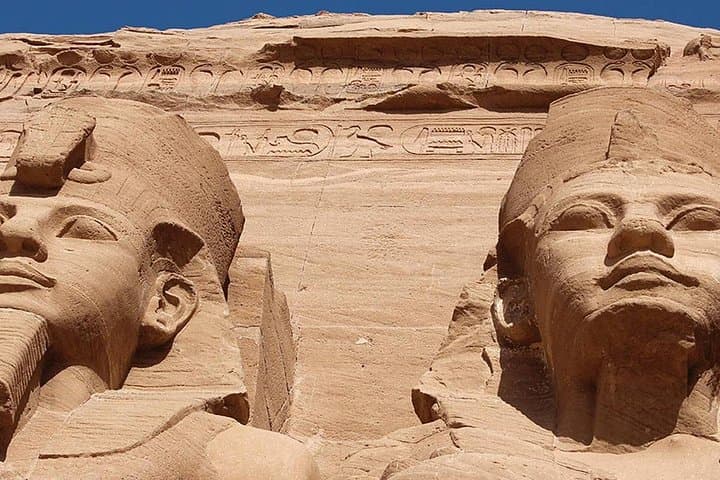
Culturally the journey mixes urban markets and small Nubian villages; local guides—often Egyptologists—bring temple reliefs and inscriptions to life. Expect quiet mornings at Abu Simbel, afternoons of slow sailing, and evenings of lantern-lit decks.
Practical notes: flights to Abu Simbel may be extra and schedules shift with water and navigation; hotels and cruise lines listed are 5-star options but cabins vary. Bring strong sun protection, comfortable walking shoes, lightweight long sleeves for modesty, and a refillable water bottle. Start excursions early to avoid heat, carry local currency for tips and small purchases, and confirm visas before travel.
This itinerary is best for travelers who want archaeology plus relaxed cruising—active enough for daily shore walks but paced for reflection between ruins.
moderate.
10 days.
Moderate fitness for daily guided walks, temple steps and occasional transfers; not strenuous but expect uneven surfaces and stairs.
Most nationalities require a visa; confirm requirements for your passport well in advance and obtain any necessary visas before crossing borders.
The itinerary includes an Abu Simbel visit, but the domestic flight to reach it is often an extra—confirm with the operator when booking.
Excursions involve walking on uneven ground and stairs in tombs and temples; a moderate fitness level is recommended but no technical skills are required.
Egyptian pounds are standard for small purchases and tips; tipping guides, drivers and cabin staff is customary—carry small bills.
The Nile corridor preserves continuous human settlement from pharaonic times; many temples were built or expanded across successive Egyptian dynasties and later rulers.
Rising water management and tourism pressure affect sites; choose operators who support local conservation, avoid touching reliefs, and take rubbish off-site.
IBERMUNDO TRAVEL - DAILY TOUR EGYPT - CAIRO operates guided outdoor trips and adventures with an emphasis on safety, stewardship, and memorable experiences.
You step off the plane into Luxor’s warm light and the Nile’s slow current seems to remember every pharaoh that ever sailed it. The cruise berth waits—white railings, shaded sundeck, the distant profile of columns and minarets—and for ten days you ride a living corridor of history from the Valley of the Kings to the quiet bays of Lake Nasser.
You step off the plane into Luxor’s warm light and the Nile’s slow current seems to remember every pharaoh that ever sailed it. The cruise berth waits—white railings, shaded sundeck, the distant profile of columns and minarets—and for ten days you ride a living corridor of history from the Valley of the Kings to the quiet bays of Lake Nasser.
The river valley here is a geological seam where the desert’s sandstone escarpments fall to a ribbon of alluvial soil. Civilization clustered along that ribbon for millennia; tombs cut into rock faces record New Kingdom power, while temples like Karnak and Philae display layered religious life from pharaohs to Ptolemies and Romans. Southward on Lake Nasser, the landscape opens—broad water punctuated by temple ruins that survived the creation of the modern reservoir.
Culturally the journey mixes urban markets and small Nubian villages; local guides—often Egyptologists—bring temple reliefs and inscriptions to life. Expect quiet mornings at Abu Simbel, afternoons of slow sailing, and evenings of lantern-lit decks.
Practical notes: flights to Abu Simbel may be extra and schedules shift with water and navigation; hotels and cruise lines listed are 5-star options but cabins vary. Bring strong sun protection, comfortable walking shoes, lightweight long sleeves for modesty, and a refillable water bottle. Start excursions early to avoid heat, carry local currency for tips and small purchases, and confirm visas before travel.
This itinerary is best for travelers who want archaeology plus relaxed cruising—active enough for daily shore walks but paced for reflection between ruins.