THE ADVENTURE COLLECTIVE® · Independent discovery and booking for outdoor travel

Traverse Morocco’s essential landscapes on a 10-day route from Fes to Marrakech (and back), combining medina walks, cedar forests, Erg Chebbi dunes, the Todra and Dades gorges and a crossing of the High Atlas. Long drives, desert nights and rich local culture await.
Traverse Morocco’s essential landscapes on a 10-day route from Fes to Marrakech (and back), combining medina walks, cedar forests, Erg Chebbi dunes, the Todra and Dades gorges and a crossing of the High Atlas. Long drives, desert nights and rich local culture await.
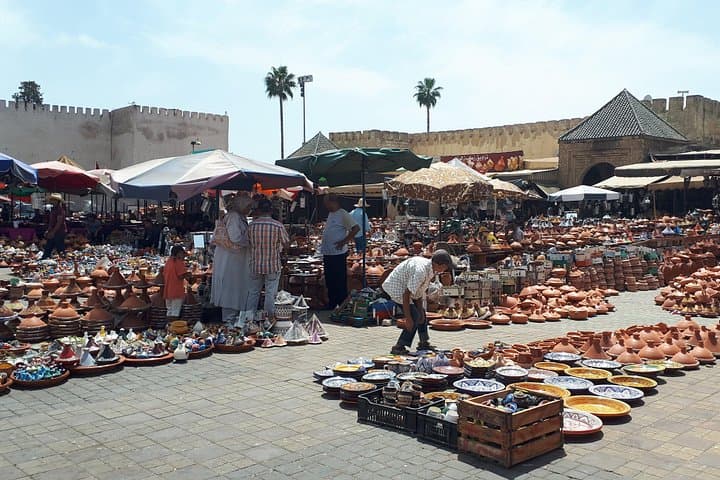
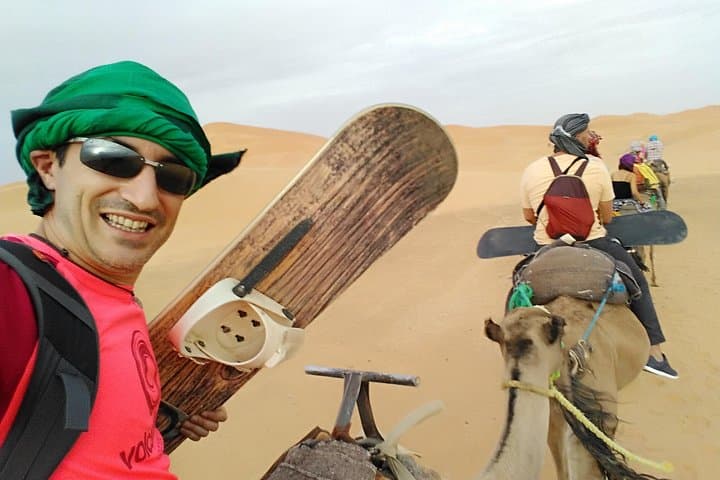
Morning light scrapes the crest of Erg Chebbi and the dunes throw long, rippled shadows that mark the start of a ten-day corridor through Morocco’s contrasts — from souk alleys to wind-cut canyons.
Verified experiences and guided adventures in the surrounding area.
Operated by MARRUECOS RUTAS 4X4 · Fes, Fès-Meknès
Morning light scrapes the crest of Erg Chebbi and the dunes throw long, rippled shadows that mark the start of a ten-day corridor through Morocco’s contrasts — from souk alleys to wind-cut canyons.
This route threads ancient Fes, the cobalt lanes of Chefchaouen, cedar forests of the Middle Atlas and the Saharan sea at Merzouga, then runs the canyon teeth of Todra and Dades before crossing the High Atlas via the Tizi n’Tichka pass. Geologically, you’ll move from Mesozoic limestone gorges with 200–300m vertical walls to aeolian sand ridges that reach 100–150m; culturally the itinerary touches Amazigh (Berber) villages, ksar architecture such as Ait Ben Haddou and the living medina of Fes where leather tanneries conserve craft traditions.
Expect long driving sections (several legs of 5–8 hours), short guided city walks, a 4x4 loop through the dunes and at least one night in a haimas camp under cold desert skies. The High Atlas climbs to roughly 2,260m at Tizi n’Tichka, so pack layers.
Practical pointers: schedule the desert crossing around sunrise or sunset for comfortable temperatures and photography; carry 3–4 liters of water on day excursions; closed shoes with good tread for gorges; modest clothing for conservative towns; bring cash for small vendors. Nights can be chilly in the desert and cool in mountain passes — a warm hat and insulated jacket are useful. The trip balances cultural immersion with rugged landscape driving: move deliberately, leave time to listen to the desert’s silence and the music of Khamlia hospitality.
moderate.
10 days.
Suitable for travelers in average fitness—able to manage short walks, dune climbs and moderate transfers
Expect multiple long transfers — individual legs commonly range 3–8 hours; the itinerary balances drives with guided visits and short walks.
Haimas camps vary from traditional to upgraded; expect sleeping mats/beds, communal dining and cold nights — check whether blankets are provided.
The tour is labeled physically easy but includes long drives and dune walking; families and older travelers can participate but should prepare for travel fatigue.
Visa requirements depend on your nationality; check Morocco’s entry rules and routine vaccinations — no special vaccines are universally required, but consult your doctor.
The route traces ancient caravan and trade corridors: Fes is a medieval learning center founded in the 8th–9th centuries, while Ait Ben Haddou is a ksar on historic trans-Saharan routes.
Stick to marked paths in gorges and dune fringes; support local guides and family-run guesthouses to keep economic benefits local and reduce pressure from over-tourism.
MARRUECOS RUTAS 4X4 operates guided outdoor trips and adventures with an emphasis on safety, stewardship, and memorable experiences.
Morning light scrapes the crest of Erg Chebbi and the dunes throw long, rippled shadows that mark the start of a ten-day corridor through Morocco’s contrasts — from souk alleys to wind-cut canyons.
Morning light scrapes the crest of Erg Chebbi and the dunes throw long, rippled shadows that mark the start of a ten-day corridor through Morocco’s contrasts — from souk alleys to wind-cut canyons.
This route threads ancient Fes, the cobalt lanes of Chefchaouen, cedar forests of the Middle Atlas and the Saharan sea at Merzouga, then runs the canyon teeth of Todra and Dades before crossing the High Atlas via the Tizi n’Tichka pass. Geologically, you’ll move from Mesozoic limestone gorges with 200–300m vertical walls to aeolian sand ridges that reach 100–150m; culturally the itinerary touches Amazigh (Berber) villages, ksar architecture such as Ait Ben Haddou and the living medina of Fes where leather tanneries conserve craft traditions.
Expect long driving sections (several legs of 5–8 hours), short guided city walks, a 4x4 loop through the dunes and at least one night in a haimas camp under cold desert skies. The High Atlas climbs to roughly 2,260m at Tizi n’Tichka, so pack layers.
Practical pointers: schedule the desert crossing around sunrise or sunset for comfortable temperatures and photography; carry 3–4 liters of water on day excursions; closed shoes with good tread for gorges; modest clothing for conservative towns; bring cash for small vendors. Nights can be chilly in the desert and cool in mountain passes — a warm hat and insulated jacket are useful. The trip balances cultural immersion with rugged landscape driving: move deliberately, leave time to listen to the desert’s silence and the music of Khamlia hospitality.