THE ADVENTURE COLLECTIVE® · Independent discovery and booking for outdoor travel

Start in Marrakech’s animated medina and cross the High Atlas to sleep under Erg Chebbi’s stars. This 10-day loop links imperial cities, kasbahs, gorges, and a classic camel caravan into a single, travel-rich itinerary.
Start in Marrakech’s animated medina and cross the High Atlas to sleep under Erg Chebbi’s stars. This 10-day loop links imperial cities, kasbahs, gorges, and a classic camel caravan into a single, travel-rich itinerary.
The medina of Marrakech spills out like a city of motion: spice vendors call, brass lamps gleam in shaded courtyards, and the warm evening air carries the distant bray of a donkey caravan. From that vibrant starting point the route unspools — through the High Atlas hairpins, past ochre kasbahs, along river-cut gorges, and finally into the wave-formed dunes of Erg Chebbi where the desert seems to breathe.
Verified experiences and guided adventures in the surrounding area.
Operated by Planificador de Viajes Marruecos · Marrakech, Marrakech-Safi
The medina of Marrakech spills out like a city of motion: spice vendors call, brass lamps gleam in shaded courtyards, and the warm evening air carries the distant bray of a donkey caravan. From that vibrant starting point the route unspools — through the High Atlas hairpins, past ochre kasbahs, along river-cut gorges, and finally into the wave-formed dunes of Erg Chebbi where the desert seems to breathe.
This loop stitches together Morocco’s layered history: Phoenician and Roman remains at Volubilis, the imperial courts of Fes and Meknes, and the mudbrick defenses of Ait Ben Haddou where film crews have reenacted distant worlds. Geologically the High Atlas is young and steep — the Tizi n’Tichka pass climbs to roughly 2,200 m — while the Sahara’s dunes are wind-sculpted sand rivers that shift with each season.
Culturally, Berber villages and riads frame daily life; argan cooperatives in Essaouira and mountain tea with host families offer direct insight into local livelihoods.
Practical guide: expect long drives in an air-conditioned minivan, short guided walks through medinas and canyon bottoms, a camel-led sunset and an overnight in a Berber tent. Pack layered clothing for warm days and cool nights, sturdy shoes for uneven streets and gorges, sun protection, and a refillable water bottle. Carry small-denomination Moroccan dirham for market purchases and tips.
Pace yourself: the tour is travel-heavy but low-technical — it rewards curiosity and basic fitness. With a mix of cultural stops and genuinely wild landscapes, it’s an efficient way to cross Morocco’s contrasts without missing the moments that make them memorable.
moderate.
10 days.
Suitable for travelers with regular mobility and basic stamina; several long driving days with short, sometimes steep walks.
Yes — the operator notes the tour is physically easy and infants may sit on an adult’s lap; bring familiar snacks and plan for long drives between stops.
Accommodations are a mix of authentic riads and guest houses in cities, and a basic but comfortable desert camp overnight in Merzouga.
The Tizi n’Tichka pass reaches about 2,200 m; most travelers experience only mild effects, but those with severe respiratory or cardiac conditions should consult a doctor.
Carry Moroccan dirham in small denominations for markets and tea; tipping local guides, drivers, and riad staff is customary and appreciated.
The route connects Morocco’s imperial cities—Marrakech, Fes, Meknes—and the Roman ruins of Volubilis, reflecting centuries of trade, conquest, and urban development.
The desert and mountain environments are water-scarce and ecologically sensitive; stay on established tracks, limit plastic, and support local cooperatives to keep tourism benefits local.
Planificador de Viajes Marruecos operates guided outdoor trips and adventures with an emphasis on safety, stewardship, and memorable experiences.
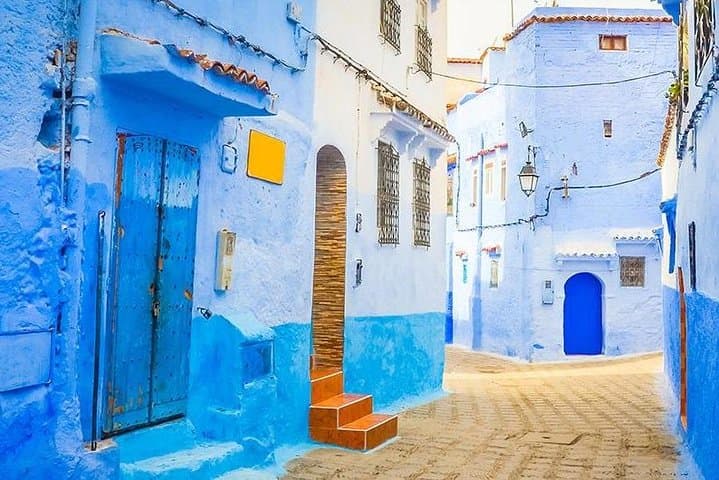


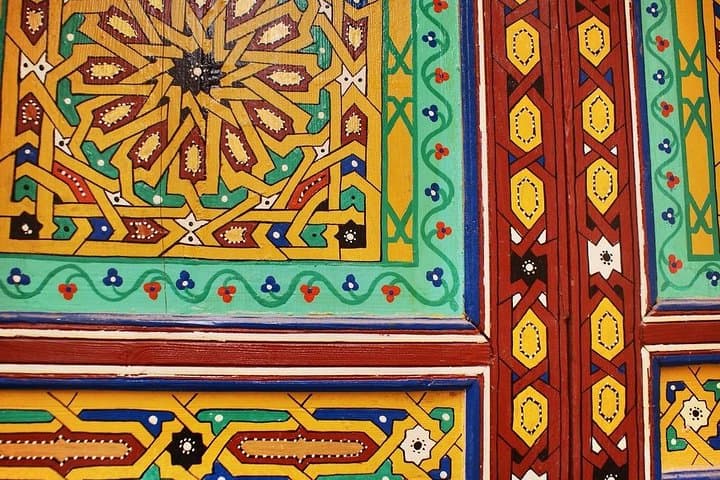
The medina of Marrakech spills out like a city of motion: spice vendors call, brass lamps gleam in shaded courtyards, and the warm evening air carries the distant bray of a donkey caravan. From that vibrant starting point the route unspools — through the High Atlas hairpins, past ochre kasbahs, along river-cut gorges, and finally into the wave-formed dunes of Erg Chebbi where the desert seems to breathe.
The medina of Marrakech spills out like a city of motion: spice vendors call, brass lamps gleam in shaded courtyards, and the warm evening air carries the distant bray of a donkey caravan. From that vibrant starting point the route unspools — through the High Atlas hairpins, past ochre kasbahs, along river-cut gorges, and finally into the wave-formed dunes of Erg Chebbi where the desert seems to breathe.
This loop stitches together Morocco’s layered history: Phoenician and Roman remains at Volubilis, the imperial courts of Fes and Meknes, and the mudbrick defenses of Ait Ben Haddou where film crews have reenacted distant worlds. Geologically the High Atlas is young and steep — the Tizi n’Tichka pass climbs to roughly 2,200 m — while the Sahara’s dunes are wind-sculpted sand rivers that shift with each season.
Culturally, Berber villages and riads frame daily life; argan cooperatives in Essaouira and mountain tea with host families offer direct insight into local livelihoods.
Practical guide: expect long drives in an air-conditioned minivan, short guided walks through medinas and canyon bottoms, a camel-led sunset and an overnight in a Berber tent. Pack layered clothing for warm days and cool nights, sturdy shoes for uneven streets and gorges, sun protection, and a refillable water bottle. Carry small-denomination Moroccan dirham for market purchases and tips.
Pace yourself: the tour is travel-heavy but low-technical — it rewards curiosity and basic fitness. With a mix of cultural stops and genuinely wild landscapes, it’s an efficient way to cross Morocco’s contrasts without missing the moments that make them memorable.