THE ADVENTURE COLLECTIVE® · Independent discovery and booking for outdoor travel

Ten days of Morocco’s highlights—coastal Casablanca, imperial medinas, the cedar forests of the Middle Atlas, and the sand seas of Erg Chebbi—linked by high mountain passes and ancient kasbahs. This paced circuit balances cultural walking tours with desert nights under the stars.
Ten days of Morocco’s highlights—coastal Casablanca, imperial medinas, the cedar forests of the Middle Atlas, and the sand seas of Erg Chebbi—linked by high mountain passes and ancient kasbahs. This paced circuit balances cultural walking tours with desert nights under the stars.
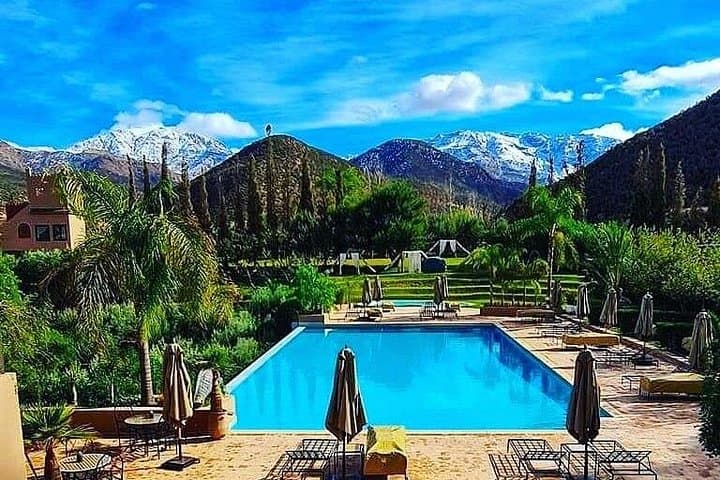
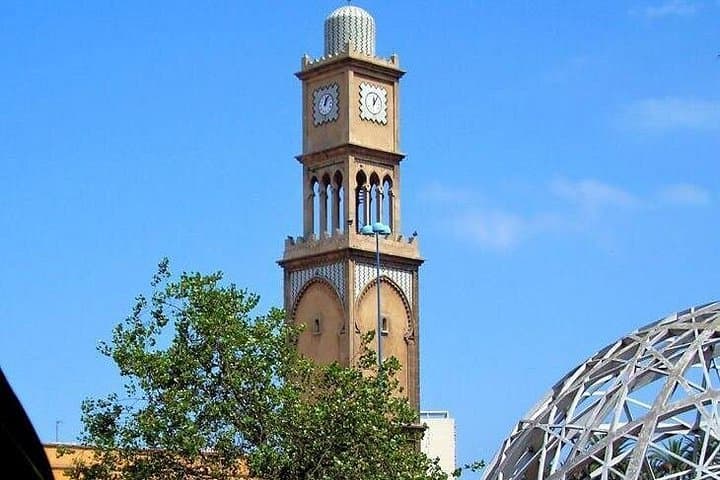
A salt breeze from the Atlantic stills the air as the tour begins in Casablanca, where the vast Hassan II Mosque edges the corniche and the city hums with morning commerce. Over ten days the road becomes the narrative: Rabat’s quiet mausoleums, Fes’s labyrinthine medina, the cedar-smoked villages of the Middle Atlas, and finally the ochre sweep of Erg Chebbi where dunes rise like great tides.
Verified experiences and guided adventures in the surrounding area.
Operated by Morocco Imperial Tours · Casablanca, Casablanca-Settat
A salt breeze from the Atlantic stills the air as the tour begins in Casablanca, where the vast Hassan II Mosque edges the corniche and the city hums with morning commerce. Over ten days the road becomes the narrative: Rabat’s quiet mausoleums, Fes’s labyrinthine medina, the cedar-smoked villages of the Middle Atlas, and finally the ochre sweep of Erg Chebbi where dunes rise like great tides.
This route threads centuries of history—Roman mosaics at Volubilis, the 17th-century gates of Meknes, and fortified kasbahs that trace trade routes across the Sahara. Geology shifts dramatically: coastal plains give way to limestone gorges, river-carved valleys, and the High Atlas where the Tizi n’Tichka pass reaches about 2,260 m. Culture is lived close to the ground here—tea hospitality in riads, the call to prayer from medina minarets, and Gnawa music echoing desert rhythms.
Travel is mostly by air-conditioned vehicle on paved highways; expect long driving days (several stretches 3–6 hours) and shorter walking tours in medinas and gorges. Erg Chebbi’s dunes can top 100–150 m, and camel treks require basic balance and short climbs on shifting sand. Plan for early starts to avoid midday heat, layered clothing for temperature swings over the pass, and sturdy shoes for cobbled alleyways and rocky footpaths.
Practical tips: carry a refillable water bottle, photocopies of your passport, small local currency for markets and tips, and allow rest between long drives. With modest fitness and cultural curiosity, this itinerary delivers Morocco’s landscapes and traditions in a single, well-paced loop.
moderate.
10 days.
Suitable for travelers with average fitness; expect multiple short walks in medinas, a 1–2 hour camel trek on sand, and several full driving days.
The tour is paced for general travelers: most activity is walking tours and brief hikes; camel rides are low-impact. Expect several long driving days—good rest and mobility help.
The itinerary includes breakfasts and several dinners, plus a mix of riads, kasbah hotels and a luxury desert camp; confirm specifics with the operator when booking.
Yes for most, but rides can be bumpy; operators often provide alternatives (4x4 rides). Inform the operator of mobility concerns in advance.
Visa rules depend on nationality—check Moroccan entry requirements. Routine vaccinations are generally sufficient; consult your travel health provider for personalized advice.
This circuit follows ancient trade and pilgrimage routes: Roman Volubilis, Saadian tombs, and caravan kasbahs that linked Saharan trade to imperial cities.
Respect dunes and oases by staying on established paths and using local guides; water is scarce—minimize waste and support community-run accommodations where possible.
Morocco Imperial Tours operates guided outdoor trips and adventures with an emphasis on safety, stewardship, and memorable experiences.

A salt breeze from the Atlantic stills the air as the tour begins in Casablanca, where the vast Hassan II Mosque edges the corniche and the city hums with morning commerce. Over ten days the road becomes the narrative: Rabat’s quiet mausoleums, Fes’s labyrinthine medina, the cedar-smoked villages of the Middle Atlas, and finally the ochre sweep of Erg Chebbi where dunes rise like great tides.
A salt breeze from the Atlantic stills the air as the tour begins in Casablanca, where the vast Hassan II Mosque edges the corniche and the city hums with morning commerce. Over ten days the road becomes the narrative: Rabat’s quiet mausoleums, Fes’s labyrinthine medina, the cedar-smoked villages of the Middle Atlas, and finally the ochre sweep of Erg Chebbi where dunes rise like great tides.
This route threads centuries of history—Roman mosaics at Volubilis, the 17th-century gates of Meknes, and fortified kasbahs that trace trade routes across the Sahara. Geology shifts dramatically: coastal plains give way to limestone gorges, river-carved valleys, and the High Atlas where the Tizi n’Tichka pass reaches about 2,260 m. Culture is lived close to the ground here—tea hospitality in riads, the call to prayer from medina minarets, and Gnawa music echoing desert rhythms.
Travel is mostly by air-conditioned vehicle on paved highways; expect long driving days (several stretches 3–6 hours) and shorter walking tours in medinas and gorges. Erg Chebbi’s dunes can top 100–150 m, and camel treks require basic balance and short climbs on shifting sand. Plan for early starts to avoid midday heat, layered clothing for temperature swings over the pass, and sturdy shoes for cobbled alleyways and rocky footpaths.
Practical tips: carry a refillable water bottle, photocopies of your passport, small local currency for markets and tips, and allow rest between long drives. With modest fitness and cultural curiosity, this itinerary delivers Morocco’s landscapes and traditions in a single, well-paced loop.