THE ADVENTURE COLLECTIVE® · Independent discovery and booking for outdoor travel

A 10‑day high‑altitude circuit from Chengdu to Lhasa and Everest Base Camp combining flights and the Qinghai–Tibet soft‑sleeper train. Expect cultural highlights, glacial vistas, long drives, and careful acclimatization.
A 10‑day high‑altitude circuit from Chengdu to Lhasa and Everest Base Camp combining flights and the Qinghai–Tibet soft‑sleeper train. Expect cultural highlights, glacial vistas, long drives, and careful acclimatization.
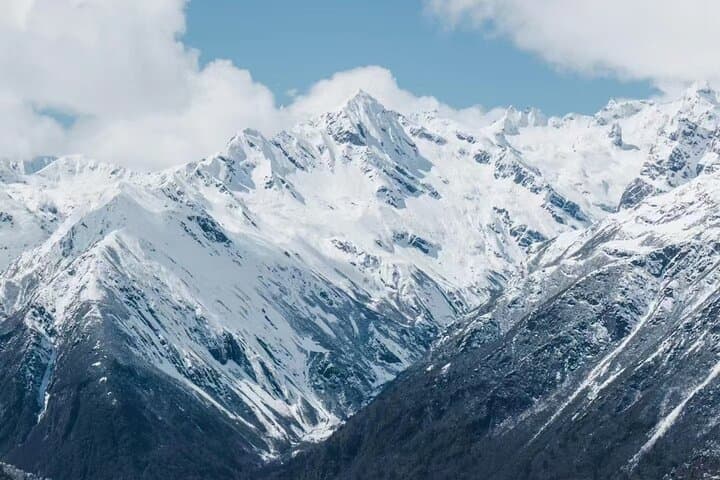
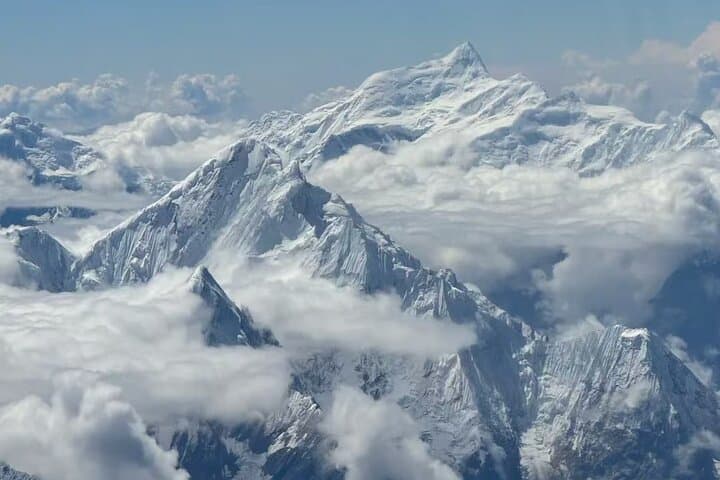
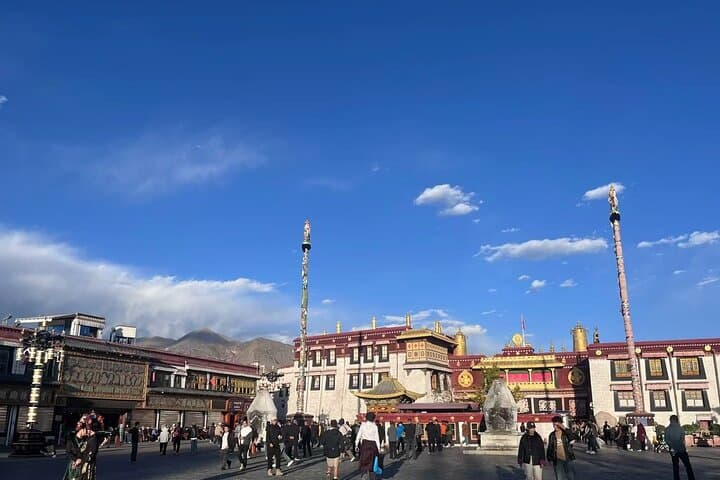
You arrive in Lhasa under a thin sky; prayer flags clack like small drums as the plateau wind tugs at them and the city’s red-and-white roofs sit low against distant peaks. Days alternate between slow acclimatization in Lhasa and long drives across wide, wind-swept plains where rivers dare you to follow them toward the ice.
Verified experiences and guided adventures in the surrounding area.
Operated by Journey2Tibet · Lhasa, Tibet Autonomous Region
You arrive in Lhasa under a thin sky; prayer flags clack like small drums as the plateau wind tugs at them and the city’s red-and-white roofs sit low against distant peaks. Days alternate between slow acclimatization in Lhasa and long drives across wide, wind-swept plains where rivers dare you to follow them toward the ice.
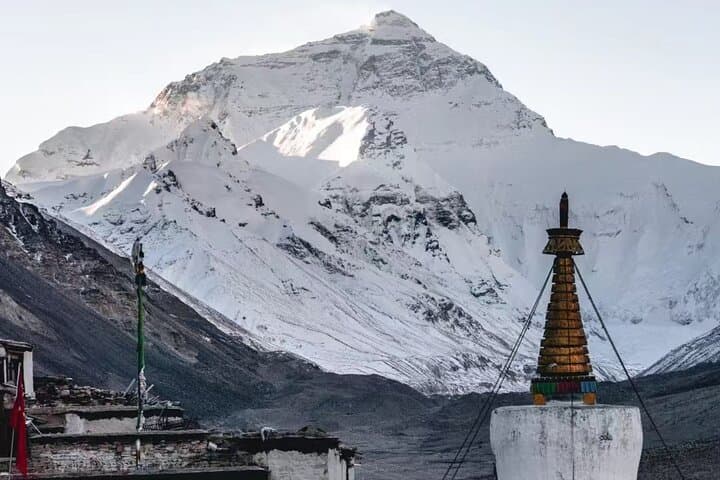
This 10-day circuit links Chengdu — via flight or the Qinghai–Tibet Railway soft-sleeper route — with Lhasa, Yamdrok Lake, Karola Glacier (roadside ~4,960 m), Shigatse, and Rongbuk/Everest Base Camp. The trip moves through Nagela Pass (≈5,190 m) to Namtso Lake (4,718 m), skirting glaciers and high grasslands shaped by Pleistocene glaciation and Tibet’s uplifted plateau. Cultural landmarks include the Potala Palace, Jokhang Temple and Tashilhunpo Monastery, living centers of Tibetan Buddhist practice that date to the 7th–15th centuries.
Expect long drives (several 3–6 hour legs), one soft-sleeper overnight on the Qinghai–Tibet line, and short optional hikes — the photopoint above Rongbuk is a 1.5–2 hour climb from the road. Hotels are standard four-star city-center properties with supplemental oxygen; Rongpuk offers basic oxygenated rooms.
Practical guidance: plan for steady altitude gains, drink often, sleep low when possible, and carry layered clothing for wide diurnal swings. Roads to EBC can be rough; allow extra time. Bring cash for small purchases in rural towns and a permit — entry to Tibet is managed and included by this operator. With preparation, the reward is close: clear sunrises on Everest and vast salt-lake horizons that make the plateau feel like another planet.
challenging.
10 days.
Moderate to good cardiovascular fitness recommended for long drives, short high‑altitude hikes, and handling thin air.
Yes — foreign travelers require a Tibet Travel Permit; this operator includes the permit and handles paperwork as part of the package.
Many stops exceed 4,500 m; symptoms can range from mild headaches to more serious illness—inform guides early, descend if symptoms worsen, and use provided oxygen if necessary.
The soft‑sleeper train offers a scenic, gradual ascent with time to acclimatize and views of the plateau; it’s slower but can be gentler than immediate flights for some travelers.
Yes — the itinerary includes Rongbuk and the EBC photo point; visibility depends on weather, with the best views at sunrise when the air is usually clearest.
Lhasa’s core sites—Potala Palace and Jokhang—reflect centuries of Tibetan Buddhist governance and pilgrimage, with Potala rebuilt in the 17th century as a Dalai Lama residence.
The Tibetan Plateau is ecologically fragile; stick to trails, limit plastic, and respect pasturelands and herders to reduce long‑term impact.
Journey2Tibet operates guided outdoor trips and adventures with an emphasis on safety, stewardship, and memorable experiences.
You arrive in Lhasa under a thin sky; prayer flags clack like small drums as the plateau wind tugs at them and the city’s red-and-white roofs sit low against distant peaks. Days alternate between slow acclimatization in Lhasa and long drives across wide, wind-swept plains where rivers dare you to follow them toward the ice.
You arrive in Lhasa under a thin sky; prayer flags clack like small drums as the plateau wind tugs at them and the city’s red-and-white roofs sit low against distant peaks. Days alternate between slow acclimatization in Lhasa and long drives across wide, wind-swept plains where rivers dare you to follow them toward the ice.
This 10-day circuit links Chengdu — via flight or the Qinghai–Tibet Railway soft-sleeper route — with Lhasa, Yamdrok Lake, Karola Glacier (roadside ~4,960 m), Shigatse, and Rongbuk/Everest Base Camp. The trip moves through Nagela Pass (≈5,190 m) to Namtso Lake (4,718 m), skirting glaciers and high grasslands shaped by Pleistocene glaciation and Tibet’s uplifted plateau. Cultural landmarks include the Potala Palace, Jokhang Temple and Tashilhunpo Monastery, living centers of Tibetan Buddhist practice that date to the 7th–15th centuries.
Expect long drives (several 3–6 hour legs), one soft-sleeper overnight on the Qinghai–Tibet line, and short optional hikes — the photopoint above Rongbuk is a 1.5–2 hour climb from the road. Hotels are standard four-star city-center properties with supplemental oxygen; Rongpuk offers basic oxygenated rooms.
Practical guidance: plan for steady altitude gains, drink often, sleep low when possible, and carry layered clothing for wide diurnal swings. Roads to EBC can be rough; allow extra time. Bring cash for small purchases in rural towns and a permit — entry to Tibet is managed and included by this operator. With preparation, the reward is close: clear sunrises on Everest and vast salt-lake horizons that make the plateau feel like another planet.