THE ADVENTURE COLLECTIVE® · Independent discovery and booking for outdoor travel

A 10-day, gradual ascent via the Lemosho Route gives climbers the best chance to summit Kilimanjaro with strong acclimatization and remote camps. This guide outlines what to expect day-to-day, how the mountain’s geology and local culture shape the trek, and practical tips to prepare for summit night.
A 10-day, gradual ascent via the Lemosho Route gives climbers the best chance to summit Kilimanjaro with strong acclimatization and remote camps. This guide outlines what to expect day-to-day, how the mountain’s geology and local culture shape the trek, and practical tips to prepare for summit night.
Book with Gracepatt Ecotours Kenya
Book directly with Gracepatt Ecotours Kenya for the best rates and real-time scheduling.
Reserve NowVerified experiences and guided adventures in the surrounding area.
Operated by Gracepatt Ecotours Kenya · Moshi, Kilimanjaro Region
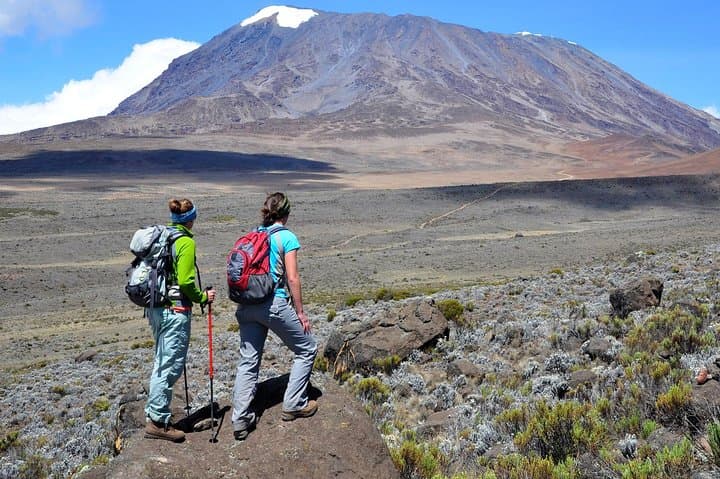
You step off the jeep at the forest edge and the mountain fills the horizon—Kibo’s flanks drape into cloud, the trail rising like a challenge that won’t be rushed. Early days thread through mossy montane forest where colobus monkeys call and the air tastes of damp earth; higher, the landscape opens to the windswept Shira Plateau and the alpine desert that dares you onward.
challenging.
10 days.
Good aerobic fitness with experience on multiday hikes; ankle stability and endurance for sustained uphill and high-altitude walking.
Lemosho is considered one of the more gradual and scenic routes; its longer profile increases acclimatization time and tends to produce higher summit rates than shorter routes.
Common signs include headache, nausea, dizziness and severe fatigue; communicate symptoms immediately to your guide—descent is the primary treatment for serious cases.
No technical gear like crampons or ropes is required on the standard Lemosho route; basic high-altitude hiking equipment and warm clothing are essential.
The clearest windows are generally late June–October and late December–February; avoid the long rains (March–May) if possible for drier trekking conditions.
Kilimanjaro’s three volcanic cones record millions of years of geological change; the mountain has long cultural importance for the Chagga communities on its lower slopes.
Kilimanjaro National Park is a protected area—stick to trails, pack out waste where possible, and work with operators who adhere to porter welfare and low-impact camping practices.
Gracepatt Ecotours Kenya operates guided outdoor trips and adventures with an emphasis on safety, stewardship, and memorable experiences.
Book with Gracepatt Ecotours Kenya
Book directly with Gracepatt Ecotours Kenya for the best rates and real-time scheduling.
Reserve Now