THE ADVENTURE COLLECTIVE® · Independent discovery and booking for outdoor travel

A 10-day loop through Kenya’s premier parks — Tsavo West, Amboseli, Ol Pejeta, Samburu, Nakuru and the Maasai Mara — offering reliable Big Five sightings and a front-row seat to the great migration. Read on for what to expect, how the landscapes were formed, and smart packing tips.
A 10-day loop through Kenya’s premier parks — Tsavo West, Amboseli, Ol Pejeta, Samburu, Nakuru and the Maasai Mara — offering reliable Big Five sightings and a front-row seat to the great migration. Read on for what to expect, how the landscapes were formed, and smart packing tips.
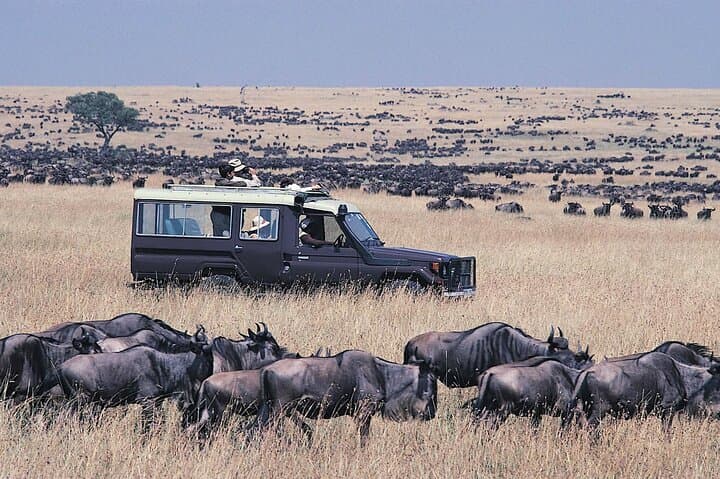
You step from Nairobi’s morning heat into a rumbling safari vehicle and the landscape opens — red dust giving way to rolled savanna, fever-tree ridges and distant, craggy hills. Over ten days you ride that rolling country: wide roads toward Tsavo’s lava flows, the flat salt pans of Amboseli with Kilimanjaro standing like a patient giant, and the pulse of the Mara where wildebeest push across the river.
Verified experiences and guided adventures in the surrounding area.
Operated by Shagami Kenya Tours and Safaris · Nairobi, Nairobi County
You step from Nairobi’s morning heat into a rumbling safari vehicle and the landscape opens — red dust giving way to rolled savanna, fever-tree ridges and distant, craggy hills. Over ten days you ride that rolling country: wide roads toward Tsavo’s lava flows, the flat salt pans of Amboseli with Kilimanjaro standing like a patient giant, and the pulse of the Mara where wildebeest push across the river.
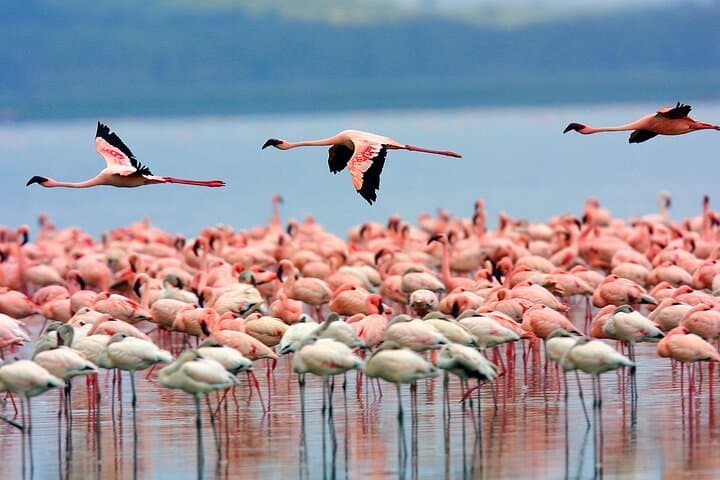
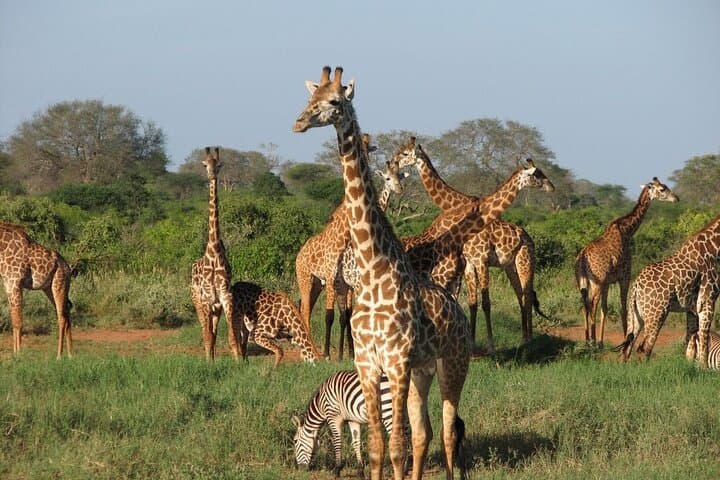
This itinerary threads Kenya’s ecological chapters. Tsavo West holds volcanic ridges and Mzima Springs’ clear pools; Amboseli’s marshes were formed by tectonic action along the Rift Valley and feed huge elephant families; Ol Pejeta protects rhino breeding programs; Lake Nakuru’s alkaline shores host flamingo flocks; Masai Mara is the Serengeti’s northern twin, shaped by migration. Cultural encounters with Maasai communities highlight pastoral traditions that have coexisted with wildlife for centuries.
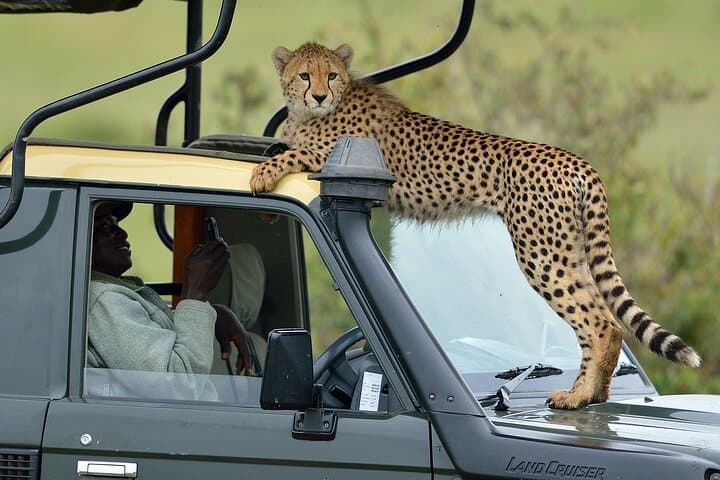
Expect early-morning and late-afternoon game drives in purpose-built 4x4s, experienced guides pointing out spoor and behavior. Accommodations range from tented camps to lodges, with meals usually included. Wildlife viewing is best in dry months (June–October and January–February) when animals concentrate around water.
Practical notes: pack layered clothing for cool mornings and hot afternoons, a good pair of binoculars, sun protection and a charged camera with spare batteries. Carry small Kenyan shillings for optional local visits and tips. Keep hydrated and follow your guide’s instructions—animals set the pace here, and the landscape will test your patience before offering its rewards.
easy.
10 days.
Suitable for most fitness levels; days are vehicle-based with short walks at lodges and optional cultural visits requiring light mobility.
Yes — the tour is vehicle-based with lodge accommodation; infants must sit on laps and passengers of all ages should follow guide instructions.
Dry seasons (June–October and January–February) concentrate animals around water; October–December sees the short rains, while March–May are long rains with fewer road-access windows.
Yes — all park entrance fees listed in the itinerary are included in the tour price.
Travelers should check current yellow fever vaccination and recommended travel vaccines and secure any required Kenyan visa before arrival; consult a travel clinic for personalized advice.
Many park borders follow Rift Valley features carved by tectonic activity; Maasai pastoral culture has shaped human-wildlife relationships here for centuries.
Several conservancies and Ol Pejeta run active anti-poaching and rhino-breeding programs; visitors are encouraged to support local community initiatives and follow leave-no-trace principles.
Shagami Kenya Tours and Safaris operates guided outdoor trips and adventures with an emphasis on safety, stewardship, and memorable experiences.
You step from Nairobi’s morning heat into a rumbling safari vehicle and the landscape opens — red dust giving way to rolled savanna, fever-tree ridges and distant, craggy hills. Over ten days you ride that rolling country: wide roads toward Tsavo’s lava flows, the flat salt pans of Amboseli with Kilimanjaro standing like a patient giant, and the pulse of the Mara where wildebeest push across the river.
You step from Nairobi’s morning heat into a rumbling safari vehicle and the landscape opens — red dust giving way to rolled savanna, fever-tree ridges and distant, craggy hills. Over ten days you ride that rolling country: wide roads toward Tsavo’s lava flows, the flat salt pans of Amboseli with Kilimanjaro standing like a patient giant, and the pulse of the Mara where wildebeest push across the river.
This itinerary threads Kenya’s ecological chapters. Tsavo West holds volcanic ridges and Mzima Springs’ clear pools; Amboseli’s marshes were formed by tectonic action along the Rift Valley and feed huge elephant families; Ol Pejeta protects rhino breeding programs; Lake Nakuru’s alkaline shores host flamingo flocks; Masai Mara is the Serengeti’s northern twin, shaped by migration. Cultural encounters with Maasai communities highlight pastoral traditions that have coexisted with wildlife for centuries.
Expect early-morning and late-afternoon game drives in purpose-built 4x4s, experienced guides pointing out spoor and behavior. Accommodations range from tented camps to lodges, with meals usually included. Wildlife viewing is best in dry months (June–October and January–February) when animals concentrate around water.
Practical notes: pack layered clothing for cool mornings and hot afternoons, a good pair of binoculars, sun protection and a charged camera with spare batteries. Carry small Kenyan shillings for optional local visits and tips. Keep hydrated and follow your guide’s instructions—animals set the pace here, and the landscape will test your patience before offering its rewards.