THE ADVENTURE COLLECTIVE® · Independent discovery and booking for outdoor travel

Traverse high passes, terraced valleys and expansive alpine plains on this 10-day Hunza–Skardu–Deosai circuit. Expect long drives, cultural stops at ancient forts, jeep access to high meadows and a night under Deosai’s vast sky.
Traverse high passes, terraced valleys and expansive alpine plains on this 10-day Hunza–Skardu–Deosai circuit. Expect long drives, cultural stops at ancient forts, jeep access to high meadows and a night under Deosai’s vast sky.
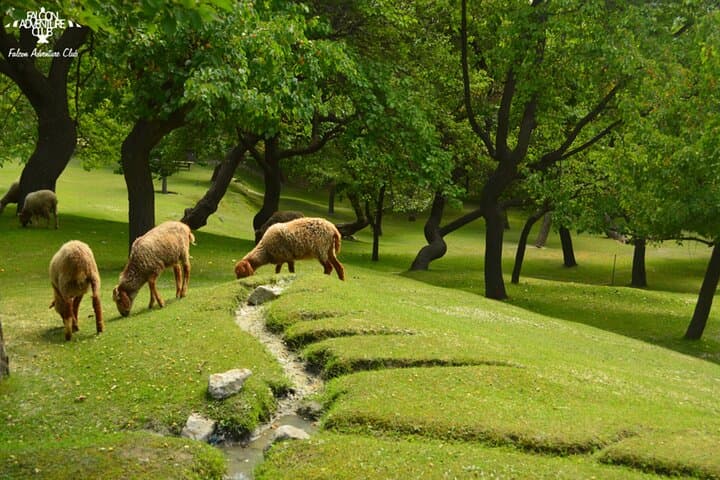
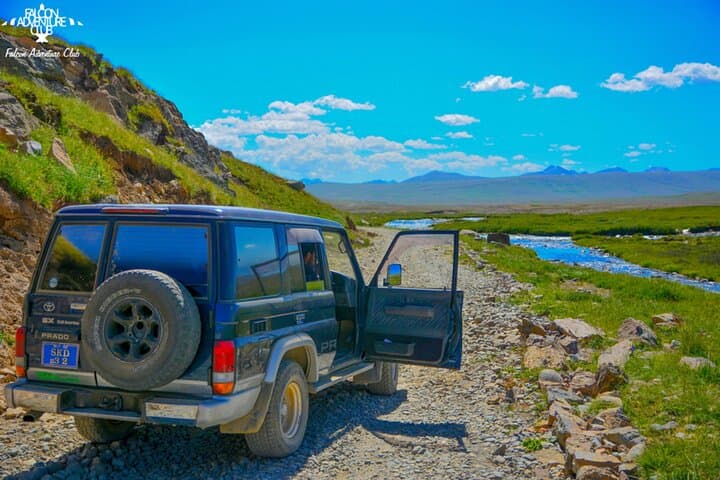
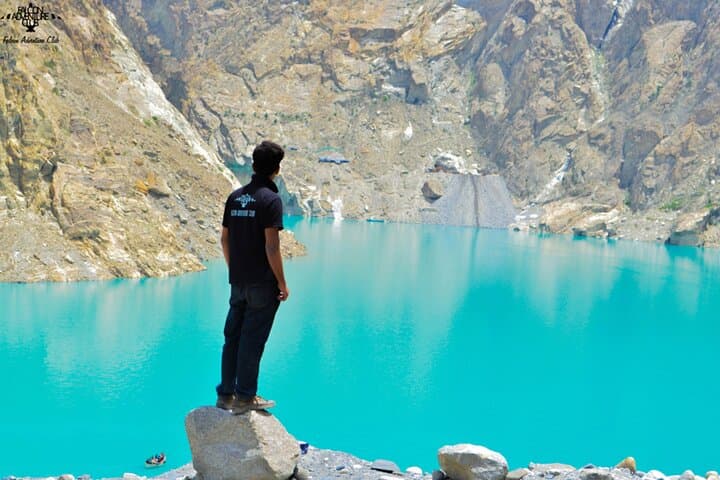
You step out onto a windswept plateau as the first light varnishes granite peaks, and the air feels both thin and honest. This 10-day loop threads Islamabad’s asphalt to the glacial shoulders of Gilgit-Baltistan—Naran’s river terraces, Karimabad’s terraced apricot trees, the rattling jeeps to Naltar’s blue lakes, and the broad, lonely bowl of Deosai where grasslands push back against the sky.
Verified experiences and guided adventures in the surrounding area.
Operated by Falcon Adventure Club · Karimabad, Gilgit-Baltistan
You step out onto a windswept plateau as the first light varnishes granite peaks, and the air feels both thin and honest. This 10-day loop threads Islamabad’s asphalt to the glacial shoulders of Gilgit-Baltistan—Naran’s river terraces, Karimabad’s terraced apricot trees, the rattling jeeps to Naltar’s blue lakes, and the broad, lonely bowl of Deosai where grasslands push back against the sky.
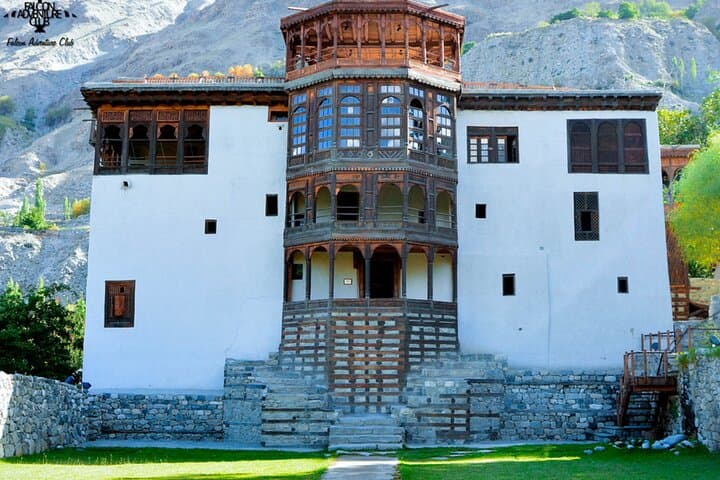
The route runs along ancient trade corridors and modern high-altitude roads that cut through three great ranges—Himalaya, Karakoram and Hindu Kush—bringing a living history of caravan routes, Balti forts such as Altit and Baltit, and 900-year-old mosques in Khaplu. Geology is on display: moraines, sharp granite spires like the Passu Cones, and glacial-fed lakes carved by ice over millennia. Local culture is hospitality-forward; bazaars in Karimabad sell honey, dried fruits and handicrafts that reflect mountain carpentry and weaving traditions.
Expect long drives (some unpaved), short hikes to viewpoints, and camping on Deosai’s high plain (3,500–4,100 m). Acclimatize gradually, carry layered clothing, and plan for limited connectivity and cash-only stalls outside major towns. Peak season is May–October when roads and passes are open, though nights remain cold. Bring sturdy boots for uneven trails, sun protection for the daytime glare, and patience—the region rewards slow, attentive travel with wide views and quiet stars.
challenging.
10 days.
Suitable for travelers with good baseline fitness able to handle long vehicle days, short hikes, and moderate altitude exposure.
The operating window is May–October; June–September offers the most reliable road access and milder weather for camping.
No special tourist permit is usually required for the Khunjerab road, but carry original passport copies—authorities at the border may request identification.
Deosai sits around 3,500–4,100 meters; some visitors experience mild altitude symptoms—ascend gradually, hydrate, and consult a doctor about medication if worried.
Breakfasts are typically included; accommodations range from hotels in towns to camping in Deosai—confirm specifics with the operator before booking.
The Hunza region was a strategic node on historic mountain trade routes; forts like Altit and Baltit reflect centuries of local polity and cross-cultural exchange.
Deosai is a national park aimed at protecting high-altitude ecosystems and species like the Himalayan brown bear; visitors should stick to tracks and pack out waste to minimize impact.
Falcon Adventure Club operates guided outdoor trips and adventures with an emphasis on safety, stewardship, and memorable experiences.
You step out onto a windswept plateau as the first light varnishes granite peaks, and the air feels both thin and honest. This 10-day loop threads Islamabad’s asphalt to the glacial shoulders of Gilgit-Baltistan—Naran’s river terraces, Karimabad’s terraced apricot trees, the rattling jeeps to Naltar’s blue lakes, and the broad, lonely bowl of Deosai where grasslands push back against the sky.
You step out onto a windswept plateau as the first light varnishes granite peaks, and the air feels both thin and honest. This 10-day loop threads Islamabad’s asphalt to the glacial shoulders of Gilgit-Baltistan—Naran’s river terraces, Karimabad’s terraced apricot trees, the rattling jeeps to Naltar’s blue lakes, and the broad, lonely bowl of Deosai where grasslands push back against the sky.
The route runs along ancient trade corridors and modern high-altitude roads that cut through three great ranges—Himalaya, Karakoram and Hindu Kush—bringing a living history of caravan routes, Balti forts such as Altit and Baltit, and 900-year-old mosques in Khaplu. Geology is on display: moraines, sharp granite spires like the Passu Cones, and glacial-fed lakes carved by ice over millennia. Local culture is hospitality-forward; bazaars in Karimabad sell honey, dried fruits and handicrafts that reflect mountain carpentry and weaving traditions.
Expect long drives (some unpaved), short hikes to viewpoints, and camping on Deosai’s high plain (3,500–4,100 m). Acclimatize gradually, carry layered clothing, and plan for limited connectivity and cash-only stalls outside major towns. Peak season is May–October when roads and passes are open, though nights remain cold. Bring sturdy boots for uneven trails, sun protection for the daytime glare, and patience—the region rewards slow, attentive travel with wide views and quiet stars.