THE ADVENTURE COLLECTIVE® · Independent discovery and booking for outdoor travel

A 10‑day circuit from Islamabad into Hunza, Nagar and Naltar that pairs long scenic drives with short hikes, high mountain passes and alpine lakes. Plan for high elevations, rugged roads, and layered clothing to make the most of jagged peaks and glacial views.
A 10‑day circuit from Islamabad into Hunza, Nagar and Naltar that pairs long scenic drives with short hikes, high mountain passes and alpine lakes. Plan for high elevations, rugged roads, and layered clothing to make the most of jagged peaks and glacial views.
You pull off the Karakoram Highway and the valley rearranges itself: sheer granite ridges cleave the sky, a turquoise ribbon of Attabad Lake dares you to follow it, and villages cling to slopes like stories pinned to rock.
Verified experiences and guided adventures in the surrounding area.
Operated by Travellia · Karimabad (Hunza), Gilgit-Baltistan
You pull off the Karakoram Highway and the valley rearranges itself: sheer granite ridges cleave the sky, a turquoise ribbon of Attabad Lake dares you to follow it, and villages cling to slopes like stories pinned to rock.
This 10‑day loop moves from the plains near Islamabad into high mountain country shaped by the collision of the Indian and Eurasian plates. Hunza’s forts and terraced fields reflect a long Silk Road history and a local culture shaped by trade, seasonal herding and valley‑forged architecture. Geology appears everywhere—jagged Passu Cones, the glacial valleys that feed Hoper and Naltar, and moraine‑bounded lakes born from landslides.
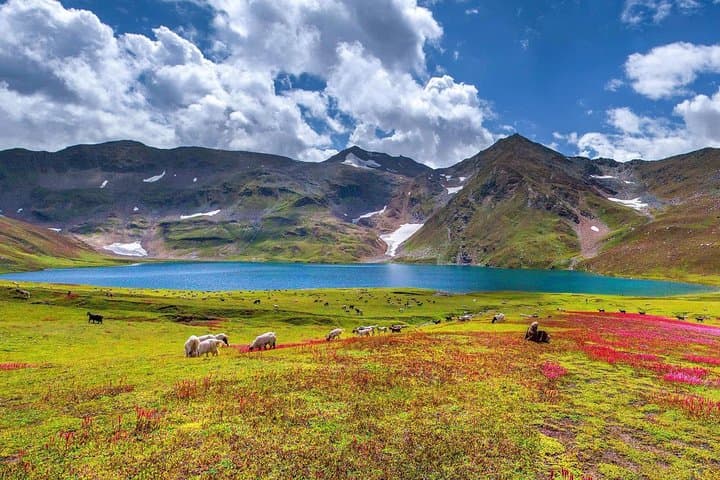
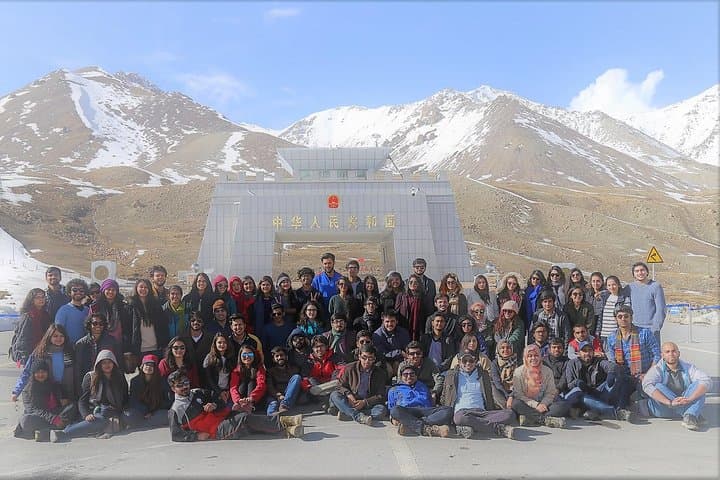
Expect long driving legs (Islamabad to Hunza is roughly 600–700 km by road), short on‑foot explorations, and a few rugged four‑wheel segments into Naltar. Highlights include Rakaposhi viewpoints, Baltit or Altit Fort visits, boating on Attabad Lake, the high‑altitude Khunjerab border (around 4,700 m), and jeep rides to Naltar’s alpine lakes (approach over gravel tracks, then brief hikes).
Practical edge: nights drop sharply—Hunza sits around 2,300–2,500 m while Naltar and high passes exceed 3,000–4,000 m—so layer up, hydrate, and pace your ascent to reduce altitude effects. Roads are mostly paved on the KKH but expect potholed stretches and timed border or weather closures. Local guesthouses serve simple breakfasts and warm hospitality; carry small cash for remote stops. With preparation this route rewards with big mountain views, glacier edges, and the quiet of high valleys that still remember the traders who once passed through.
moderate.
10 days.
Moderate—able to handle long vehicle days, short hikes at altitude, and multi‑day travel stamina.
No special permits are required for Hunza or Naltar for most foreign tourists, but you must have a valid Pakistan visa; Khunjerab is open to tourists seasonally and may require ID checks at the border checkpoint.
Most of the itinerary stays between 2,300–3,000 m where mild symptoms are possible; Khunjerab and some passes reach ~4,500–4,700 m so acclimatize, avoid alcohol, hydrate and descend if severe symptoms occur.
Yes—the tour lists as suitable for all fitness levels, but long drives and high altitudes can be tiring for very young children; plan for rest and consult a pediatrician about altitude concerns.
The Karakoram Highway is generally passable most of the year, but winter snow and spring landslides can close passes; local operators adjust schedules for weather and road conditions.
Hunza sat along Silk Road routes and later developed distinct valley principalities; its stone forts and clan histories reflect centuries of trade and mountain resilience.
Fragile alpine ecosystems and receding glaciers make low‑impact travel essential; pack out waste, respect pasturelands and avoid disturbing wildlife.
Travellia operates guided outdoor trips and adventures with an emphasis on safety, stewardship, and memorable experiences.
You pull off the Karakoram Highway and the valley rearranges itself: sheer granite ridges cleave the sky, a turquoise ribbon of Attabad Lake dares you to follow it, and villages cling to slopes like stories pinned to rock.
You pull off the Karakoram Highway and the valley rearranges itself: sheer granite ridges cleave the sky, a turquoise ribbon of Attabad Lake dares you to follow it, and villages cling to slopes like stories pinned to rock.
This 10‑day loop moves from the plains near Islamabad into high mountain country shaped by the collision of the Indian and Eurasian plates. Hunza’s forts and terraced fields reflect a long Silk Road history and a local culture shaped by trade, seasonal herding and valley‑forged architecture. Geology appears everywhere—jagged Passu Cones, the glacial valleys that feed Hoper and Naltar, and moraine‑bounded lakes born from landslides.
Expect long driving legs (Islamabad to Hunza is roughly 600–700 km by road), short on‑foot explorations, and a few rugged four‑wheel segments into Naltar. Highlights include Rakaposhi viewpoints, Baltit or Altit Fort visits, boating on Attabad Lake, the high‑altitude Khunjerab border (around 4,700 m), and jeep rides to Naltar’s alpine lakes (approach over gravel tracks, then brief hikes).
Practical edge: nights drop sharply—Hunza sits around 2,300–2,500 m while Naltar and high passes exceed 3,000–4,000 m—so layer up, hydrate, and pace your ascent to reduce altitude effects. Roads are mostly paved on the KKH but expect potholed stretches and timed border or weather closures. Local guesthouses serve simple breakfasts and warm hospitality; carry small cash for remote stops. With preparation this route rewards with big mountain views, glacier edges, and the quiet of high valleys that still remember the traders who once passed through.