THE ADVENTURE COLLECTIVE® · Independent discovery and booking for outdoor travel

Experience the Great Migration from Kogatende to Ngorongoro: river crossings, big-cat hunts and chimp trekking. This 10-day photographic safari pairs long game drives with cultural visits to Maasai and Hadzabe communities.
Experience the Great Migration from Kogatende to Ngorongoro: river crossings, big-cat hunts and chimp trekking. This 10-day photographic safari pairs long game drives with cultural visits to Maasai and Hadzabe communities.
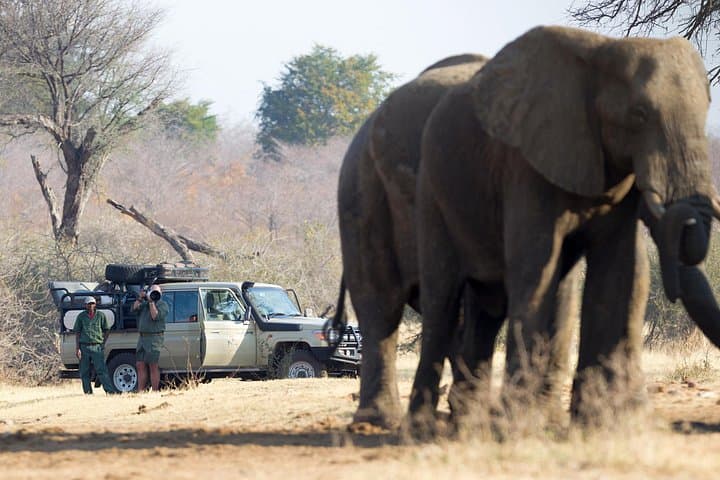
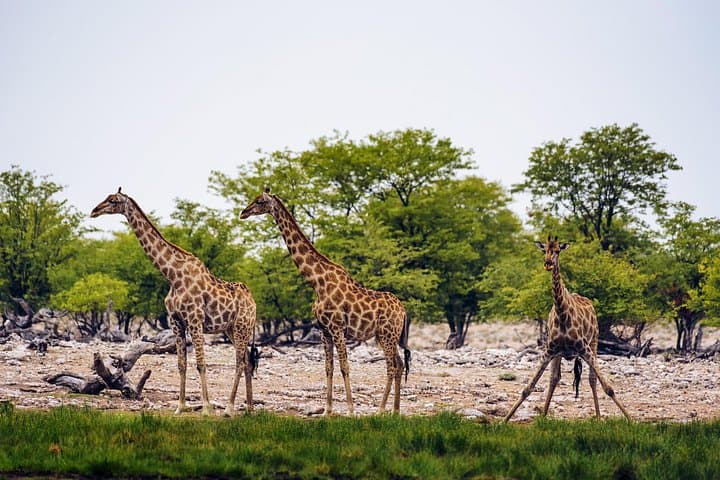
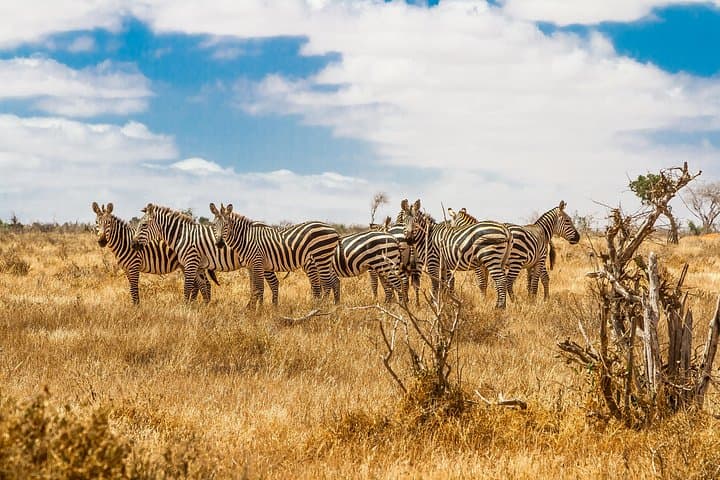
You arrive before dawn at Kogatende, the river’s edge alive with low-rumbling hooves and a sky that feels too big for the plains. Guides unfasten canvas roofs; lenses click as wildebeests mass on the bank and crocodiles chart the current. The landscape shifts each day — baobab-scattered Tarangire, the endless Seronera plains, and the volcanic rim of Ngorongoro — but the pace is the same: focused, patient, and intensely present.
Verified experiences and guided adventures in the surrounding area.
Operated by Kilimanjaro Heroes Adventures · Kogatende, Mara Region
You arrive before dawn at Kogatende, the river’s edge alive with low-rumbling hooves and a sky that feels too big for the plains. Guides unfasten canvas roofs; lenses click as wildebeests mass on the bank and crocodiles chart the current. The landscape shifts each day — baobab-scattered Tarangire, the endless Seronera plains, and the volcanic rim of Ngorongoro — but the pace is the same: focused, patient, and intensely present.
This route threads through Tanzania’s geological and cultural chapters. The Serengeti’s grasslands are an ancient erosion-resistant surface sitting over old volcanic flows; Ngorongoro is a collapsed caldera that traps a concentrated food web. Maasai and Hadzabe communities still practice traditional livelihoods on the crater’s margins and at Lake Eyasi you’ll see hunter-gatherer techniques unchanged by time. Gombe and Mkomazi each add a primate and conservation chapter — chimp trekking in forested gullies, and sanctuary work to protect black rhinos.
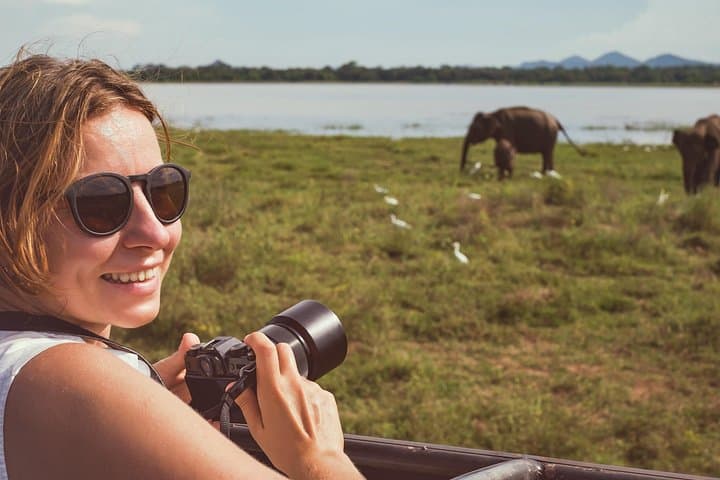
Practical guidance: best viewing for the Mara River crossings is July–September; book windowed vehicles and an experienced tracker for river crossings. Carry a telephoto (200–400mm recommended), fast memory cards, and sun protection; rotate batteries nightly where camp power allows. Expect long game-drive days from early morning to dusk, with simple lodges or tented camps and included meals. Health notes: stay hydrated, use insect repellent, and ensure yellow fever and routine immunizations are current. With preparation you get close, safe wildlife encounters and photographic windows few landscapes offer.
moderate.
10 days.
Suitable for travelers in average physical condition able to handle multiple long game-drive days and short walks at sites like Ngorongoro and Lake Eyasi.
The river crossings are most reliable between July and September when herds move from Serengeti north toward the Masai Mara.
Yellow fever vaccination may be required depending on travel history; ensure routine immunizations are current and consult a travel clinic about malaria prophylaxis.
It’s not physically demanding — game drives are done from vehicles — but expect long days, early starts, and basic walking at certain sites.
Most lodges and main camps offer limited charging; bring spare batteries and a portable power bank where possible.
The Serengeti ecosystem has supported migratory patterns for millions of years; Olduvai Gorge nearby documents early hominin activity and deep human history.
Parks here balance tourism and wildlife protection through regulated vehicle access and anti-poaching programs; visitors should minimize single-use plastics and follow guide directions to reduce impact.
Kilimanjaro Heroes Adventures operates guided outdoor trips and adventures with an emphasis on safety, stewardship, and memorable experiences.
You arrive before dawn at Kogatende, the river’s edge alive with low-rumbling hooves and a sky that feels too big for the plains. Guides unfasten canvas roofs; lenses click as wildebeests mass on the bank and crocodiles chart the current. The landscape shifts each day — baobab-scattered Tarangire, the endless Seronera plains, and the volcanic rim of Ngorongoro — but the pace is the same: focused, patient, and intensely present.
You arrive before dawn at Kogatende, the river’s edge alive with low-rumbling hooves and a sky that feels too big for the plains. Guides unfasten canvas roofs; lenses click as wildebeests mass on the bank and crocodiles chart the current. The landscape shifts each day — baobab-scattered Tarangire, the endless Seronera plains, and the volcanic rim of Ngorongoro — but the pace is the same: focused, patient, and intensely present.
This route threads through Tanzania’s geological and cultural chapters. The Serengeti’s grasslands are an ancient erosion-resistant surface sitting over old volcanic flows; Ngorongoro is a collapsed caldera that traps a concentrated food web. Maasai and Hadzabe communities still practice traditional livelihoods on the crater’s margins and at Lake Eyasi you’ll see hunter-gatherer techniques unchanged by time. Gombe and Mkomazi each add a primate and conservation chapter — chimp trekking in forested gullies, and sanctuary work to protect black rhinos.
Practical guidance: best viewing for the Mara River crossings is July–September; book windowed vehicles and an experienced tracker for river crossings. Carry a telephoto (200–400mm recommended), fast memory cards, and sun protection; rotate batteries nightly where camp power allows. Expect long game-drive days from early morning to dusk, with simple lodges or tented camps and included meals. Health notes: stay hydrated, use insect repellent, and ensure yellow fever and routine immunizations are current. With preparation you get close, safe wildlife encounters and photographic windows few landscapes offer.