THE ADVENTURE COLLECTIVE® · Independent discovery and booking for outdoor travel

A ten-day cultural and natural immersion from Accra to the forts of Cape Coast, the canopy of Kakum National Park, and the ceremonial markets of Kumasi. Expect guided history, community encounters, and manageable walks through coastal and forested landscapes.
A ten-day cultural and natural immersion from Accra to the forts of Cape Coast, the canopy of Kakum National Park, and the ceremonial markets of Kumasi. Expect guided history, community encounters, and manageable walks through coastal and forested landscapes.
You step off the plane into Accra's heat and the city receives you with a push of humid air, the skyline punctuated by cranes and the distant wash of Atlantic surf. Streets move with a purposeful rhythm — tro-tros weaving, vendors calling, and the scent of grilled fish drifting from the coastline.
Verified experiences and guided adventures in the surrounding area.
Operated by Olives Travel & Tour Limited · Accra, Greater Accra Region
You step off the plane into Accra's heat and the city receives you with a push of humid air, the skyline punctuated by cranes and the distant wash of Atlantic surf. Streets move with a purposeful rhythm — tro-tros weaving, vendors calling, and the scent of grilled fish drifting from the coastline.
This ten-day itinerary threads modern Accra with the heavy histories of Cape Coast and Elmina — coastal forts that grew from 15th–17th century European trade posts into grim waystations of the trans-Atlantic slave trade. Inland, Kumasi holds the ceremonial heart of the Ashanti Kingdom, where kingship, crafts and kente weaving remain central to identity. Geologically the route shifts from sand-swept coastlines to red lateritic soils and the evergreen canopy of Kakum National Park, whose 1,000-foot canopy walkway and seven bridges lift you 150 feet above a humid, bird-rich forest that dares you to look down.
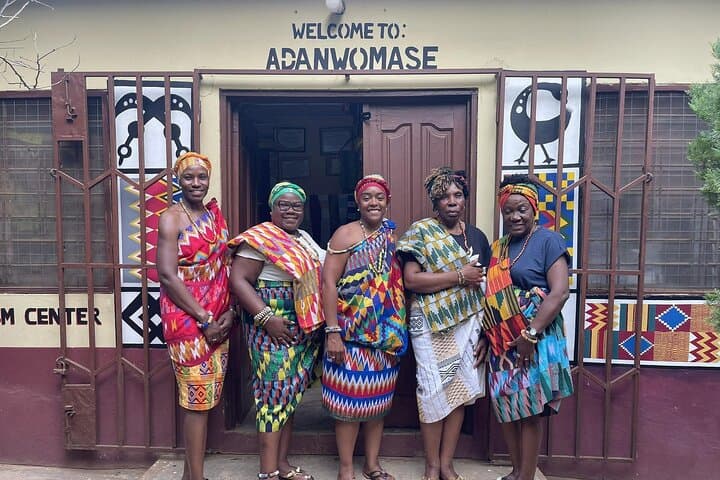
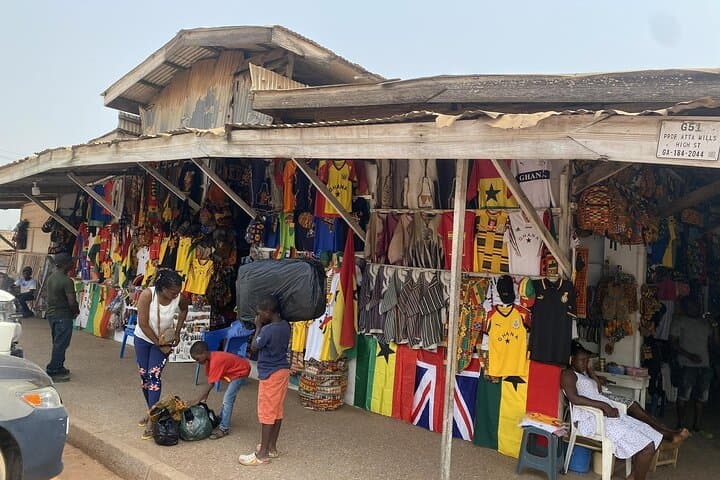
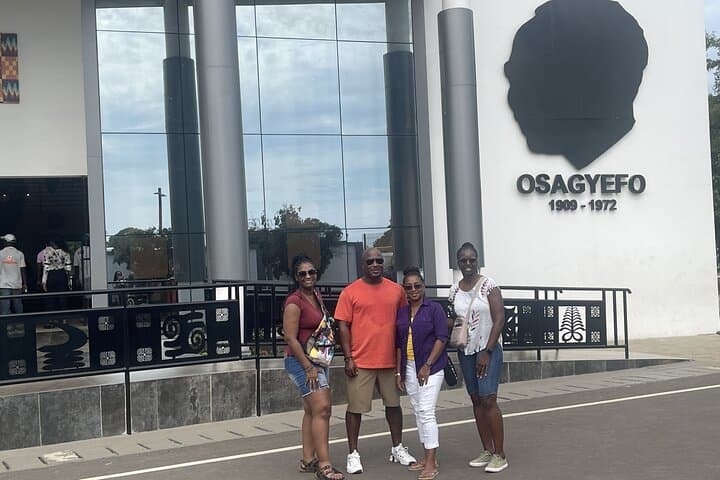
Expect cultural exchange at every stop: W.E.B. Du Bois Center, the Kwame Nkrumah Mausoleum, coastal fishing villages at dawn, and hands-on market bargaining in Kumasi. Guides frame contemporary Ghana alongside painful colonial legacies, offering space for reflection at Assin Manso and the castle dungeons.
Practical notes: plan for frequent short walks, day-to-day hotel transfers by air-conditioned vehicle, and tropical weather that can change fast. Carry a reusable water bottle, sun protection and modest clothing for sacred sites. Allow time for slow moments — a rooftop jazz evening in Accra, a sunrise over Elmina harbor, or quiet on Kakum’s platforms. With basic vaccinations current and local currency on hand, this trip balances historical weight with vibrant living culture and accessible outdoor moments.
easy.
10 days.
Suitable for most fitness levels; involves short to moderate walks, some stairs at castles and canopy platforms.
Routine vaccinations should be up to date; many travelers are advised to have yellow fever vaccination (required) and consider malaria prophylaxis—check with your healthcare provider before travel.
Daily activities include short guided walks (30–90 minutes) at museums, castle tours with stairs, and a canopy walkway; no technical hiking required.
The tour lists wheelchair accessibility for many sites, but some historic castles and canopy platforms have stairs — contact the operator to confirm specific site access and assistance needs.
Ghanaian cedi is preferred for markets and small vendors; larger hotels and some sites accept card payments. ATMs are available in major towns but carry small notes for rural purchases.
Coastal forts like Elmina (1482) and Cape Coast developed from European trading posts into central nodes of the trans-Atlantic slave trade; inland, Kumasi was the political and spiritual center of the Ashanti Kingdom.
Kakum National Park is actively managed for conservation and community tourism—stay on trails, avoid feeding wildlife, and support local guides and park fees to fund protection.
Olives Travel & Tour Limited operates guided outdoor trips and adventures with an emphasis on safety, stewardship, and memorable experiences.
You step off the plane into Accra's heat and the city receives you with a push of humid air, the skyline punctuated by cranes and the distant wash of Atlantic surf. Streets move with a purposeful rhythm — tro-tros weaving, vendors calling, and the scent of grilled fish drifting from the coastline.
You step off the plane into Accra's heat and the city receives you with a push of humid air, the skyline punctuated by cranes and the distant wash of Atlantic surf. Streets move with a purposeful rhythm — tro-tros weaving, vendors calling, and the scent of grilled fish drifting from the coastline.
This ten-day itinerary threads modern Accra with the heavy histories of Cape Coast and Elmina — coastal forts that grew from 15th–17th century European trade posts into grim waystations of the trans-Atlantic slave trade. Inland, Kumasi holds the ceremonial heart of the Ashanti Kingdom, where kingship, crafts and kente weaving remain central to identity. Geologically the route shifts from sand-swept coastlines to red lateritic soils and the evergreen canopy of Kakum National Park, whose 1,000-foot canopy walkway and seven bridges lift you 150 feet above a humid, bird-rich forest that dares you to look down.
Expect cultural exchange at every stop: W.E.B. Du Bois Center, the Kwame Nkrumah Mausoleum, coastal fishing villages at dawn, and hands-on market bargaining in Kumasi. Guides frame contemporary Ghana alongside painful colonial legacies, offering space for reflection at Assin Manso and the castle dungeons.
Practical notes: plan for frequent short walks, day-to-day hotel transfers by air-conditioned vehicle, and tropical weather that can change fast. Carry a reusable water bottle, sun protection and modest clothing for sacred sites. Allow time for slow moments — a rooftop jazz evening in Accra, a sunrise over Elmina harbor, or quiet on Kakum’s platforms. With basic vaccinations current and local currency on hand, this trip balances historical weight with vibrant living culture and accessible outdoor moments.