THE ADVENTURE COLLECTIVE® · Independent discovery and booking for outdoor travel

Island-hop across Santa Cruz, Isabela and San Cristóbal on this 10-day Galápagos expedition: snorkel Kicker Rock, hike Sierra Negra and meet giant tortoises in the highlands. Expert naturalist guides, locally run hotels and daily marine excursions balance comfort with authentic wildlife encounters.
Island-hop across Santa Cruz, Isabela and San Cristóbal on this 10-day Galápagos expedition: snorkel Kicker Rock, hike Sierra Negra and meet giant tortoises in the highlands. Expert naturalist guides, locally run hotels and daily marine excursions balance comfort with authentic wildlife encounters.
You push off from a small speedboat and the ocean immediately stakes its claim — teal water folding around black volcanic spines, sea lions barking like nearby warnings, and Kicker Rock rising from the swell like a fossilized reef. Over the next ten days that feeling of being at the edge of change becomes routine: snorkeling with hammerheads, walking among giant tortoises in highland grass, and tracing lava flows to the rim of Sierra Negra.
Verified experiences and guided adventures in the surrounding area.
Operated by Takiri Travel · Puerto Ayora, Galápagos
You push off from a small speedboat and the ocean immediately stakes its claim — teal water folding around black volcanic spines, sea lions barking like nearby warnings, and Kicker Rock rising from the swell like a fossilized reef. Over the next ten days that feeling of being at the edge of change becomes routine: snorkeling with hammerheads, walking among giant tortoises in highland grass, and tracing lava flows to the rim of Sierra Negra.
Geology owns these islands. The archipelago is a chain of young volcanoes along the Nazca Plate; Sierra Negra’s caldera is one of the largest active craters on the planet and explains the harsh black rock you’ll cross on foot. Culturally, the inhabited islands—Santa Cruz, Isabela and San Cristóbal—blend small fishing towns, conservation work at the Charles Darwin Research Station, and community-run lodging that supports local economies.
Expect a balanced itinerary: days at sea for snorkeling and wildlife viewing, interspersed with hikes (Sierra Negra is ~12 km round-trip with some steep sections) and short rides between islands by speedboat. Naturalist guides handle logistics and park permits; you handle the basics — reef-safe sunscreen, sensible shoes, and motion-sickness remedies. Bring a lightweight rain layer for the humid months and a warm top for the cool garúa season.
Practical notes: Galápagos National Park biosecurity rules are enforced—disinfect boots and limit food on boats. Boat transfers can be bouncy and schedules depend on tides and park rules, so pack patience along with your binoculars. This is expedition travel with high wildlife payoff and clear conservation responsibilities.
moderate.
10 days.
Good base fitness for daily hikes up to 12 km and repeated snorkeling sessions; comfortable walking but expect uneven volcanic terrain and some steep sections.
All visitors pay the Galápagos National Park entrance fee upon arrival and must comply with biosecurity rules; tour operators typically handle park permits for guided visits.
You should be a confident swimmer able to handle open-water conditions and currents; guides staff snorkeling activities and provide gear and briefings.
This itinerary uses scheduled speedboats between islands plus local boats for day navigable trips; timings can vary with sea conditions so plans are approximate.
The trip accommodates a range of ages but requires mobility for hikes and comfort with boat transfers; consult the operator about specific health or mobility needs.
The islands formed from hotspot volcanism and rose from the Pacific; their unique species helped shape Charles Darwin’s theory of evolution and modern conservation science.
Strict biosecurity, park fees and regulated visitor trails limit human impact—follow guide instructions, avoid touching wildlife, and use reef-safe products to reduce ecosystem stress.
Takiri Travel operates guided outdoor trips and adventures with an emphasis on safety, stewardship, and memorable experiences.

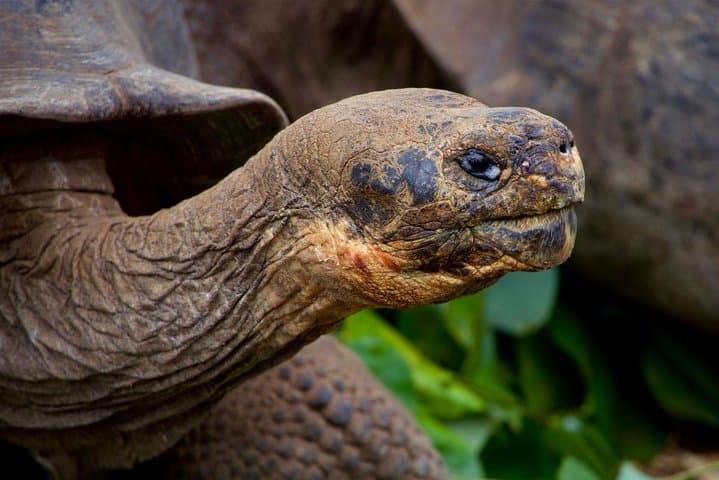
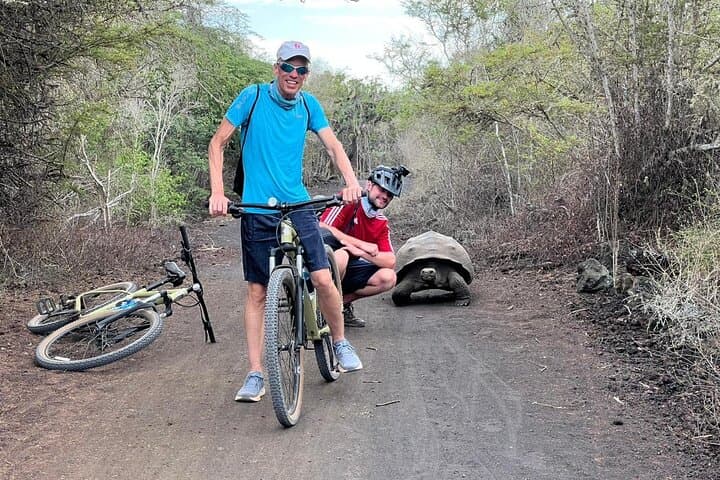
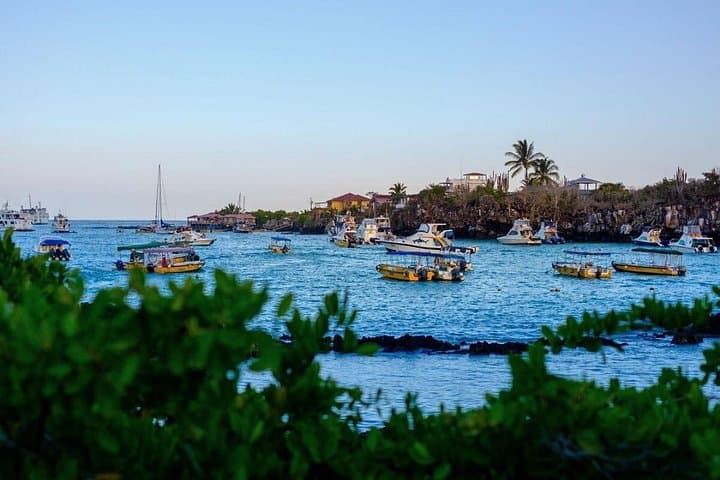
You push off from a small speedboat and the ocean immediately stakes its claim — teal water folding around black volcanic spines, sea lions barking like nearby warnings, and Kicker Rock rising from the swell like a fossilized reef. Over the next ten days that feeling of being at the edge of change becomes routine: snorkeling with hammerheads, walking among giant tortoises in highland grass, and tracing lava flows to the rim of Sierra Negra.
You push off from a small speedboat and the ocean immediately stakes its claim — teal water folding around black volcanic spines, sea lions barking like nearby warnings, and Kicker Rock rising from the swell like a fossilized reef. Over the next ten days that feeling of being at the edge of change becomes routine: snorkeling with hammerheads, walking among giant tortoises in highland grass, and tracing lava flows to the rim of Sierra Negra.
Geology owns these islands. The archipelago is a chain of young volcanoes along the Nazca Plate; Sierra Negra’s caldera is one of the largest active craters on the planet and explains the harsh black rock you’ll cross on foot. Culturally, the inhabited islands—Santa Cruz, Isabela and San Cristóbal—blend small fishing towns, conservation work at the Charles Darwin Research Station, and community-run lodging that supports local economies.
Expect a balanced itinerary: days at sea for snorkeling and wildlife viewing, interspersed with hikes (Sierra Negra is ~12 km round-trip with some steep sections) and short rides between islands by speedboat. Naturalist guides handle logistics and park permits; you handle the basics — reef-safe sunscreen, sensible shoes, and motion-sickness remedies. Bring a lightweight rain layer for the humid months and a warm top for the cool garúa season.
Practical notes: Galápagos National Park biosecurity rules are enforced—disinfect boots and limit food on boats. Boat transfers can be bouncy and schedules depend on tides and park rules, so pack patience along with your binoculars. This is expedition travel with high wildlife payoff and clear conservation responsibilities.