THE ADVENTURE COLLECTIVE® · Independent discovery and booking for outdoor travel

A compact, high-altitude trek from Lukla to Everest Base Camp, this route delivers glacier views, Sherpa culture and sharp elevation gains in just over a week. Read practical route details, key elevations and tips to prepare for the thin-air stages.
A compact, high-altitude trek from Lukla to Everest Base Camp, this route delivers glacier views, Sherpa culture and sharp elevation gains in just over a week. Read practical route details, key elevations and tips to prepare for the thin-air stages.
The morning air thins as you lift off from Kathmandu—last city noise shrinking beneath terraced hills—then a 30-minute turn past jagged ridgelines delivers you to Lukla, the mountain doorway. From there the trail threads rhododendron forests and suspension bridges, rises through Namche’s market-streets, and trades trees for wind and stone as you push toward Gorak Shep and Everest Base Camp.
Verified experiences and guided adventures in the surrounding area.
Operated by Everest Trekking Routes Pvt. Ltd. · Lukla, Province No. 1 (Koshi)
The morning air thins as you lift off from Kathmandu—last city noise shrinking beneath terraced hills—then a 30-minute turn past jagged ridgelines delivers you to Lukla, the mountain doorway. From there the trail threads rhododendron forests and suspension bridges, rises through Namche’s market-streets, and trades trees for wind and stone as you push toward Gorak Shep and Everest Base Camp.
This route follows classic Khumbu passes shaped by glacial carve and tectonic uplift: moraines, exposed granite, and the blue-gray tongues of the Khumbu Glacier. Culturally the corridor is Sherpa country—monasteries, mani stones and tea houses reflect centuries of Himalayan trade and mountaineering history tied to figures like Tenzing Norgay and early expeditions.
Expect daily hikes of 5–8 hours with key legs: Lukla–Phakding (3–4 hrs, to 2,651 m), Phakding–Namche (5–6 hrs, 3,438 m), Dingboche and Lobuche approaches (4,360–4,910 m), Gorak Shep and a day to EBC (5,364 m) with Kala Patthar (5,545 m) for sunrise views of Everest.
Practical notes: prioritize acclimatization—plan rest or slow ascent days; hydrate and eat; carry layered clothing for rapid temperature swings and a quality sleeping bag for cold nights in tea houses. Flights to/from Lukla are weather-dependent—allow buffer days. Tea houses provide basic meals and lodging but bring cash and small-denomination Nepali rupees. Altitude is the main objective hazard—know symptoms and have a plan for descent or evacuation.
Taken together, the trek is an exacting yet accessible high-altitude trek that requires preparation, respect for the mountains and a measured pace to reach the glacier-strewn horizon where Everest rises above the roofline of the world.
challenging.
10–12 days.
Good aerobic fitness with experience carrying a daypack over consecutive hill days; ability to hike 5–8 hours a day at altitude.
The flight from Kathmandu to Lukla is about 30 minutes but is weather-dependent; flights are often delayed or cancelled—build contingency days into your itinerary.
No technical climbing skills are required for Everest Base Camp via the standard trail—this is a high-altitude trek rather than a climb, but you must be prepared for altitude and rugged terrain.
Accommodation is in mountain tea houses—basic rooms with shared facilities; meals are simple (rice, dal, soups, pasta) and fuel shortages can affect menus, so bring snacks and electrolytes.
Altitude sickness is a genuine risk above 3,000 m; symptoms range from headache and nausea to more serious conditions—descend immediately if severe symptoms occur and consider consulting a guide or evacuation options.
The Khumbu has long been inhabited by Sherpa communities and became globally prominent through mid-20th-century mountaineering expeditions, including early Everest summits.
The Khumbu faces increased waste and energy pressure from tourism; support local lodges, avoid single-use plastics and follow leave-no-trace principles to reduce impact.
Everest Trekking Routes Pvt. Ltd. operates guided outdoor trips and adventures with an emphasis on safety, stewardship, and memorable experiences.
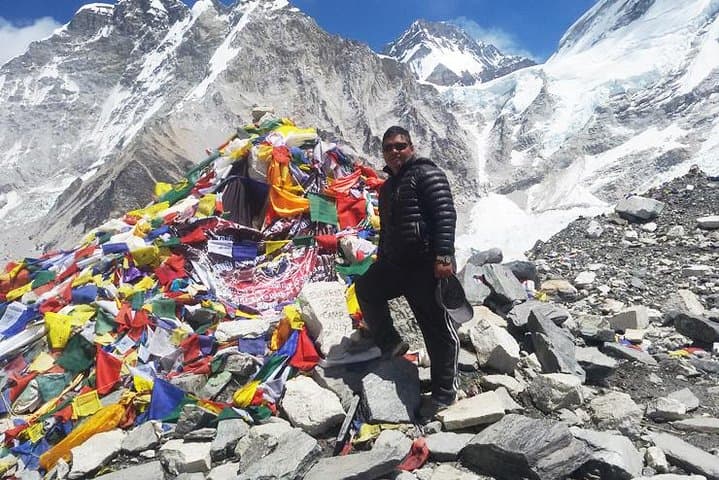
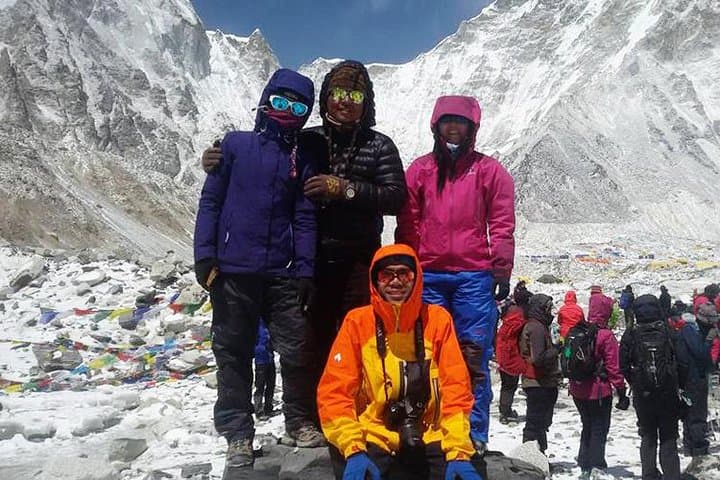
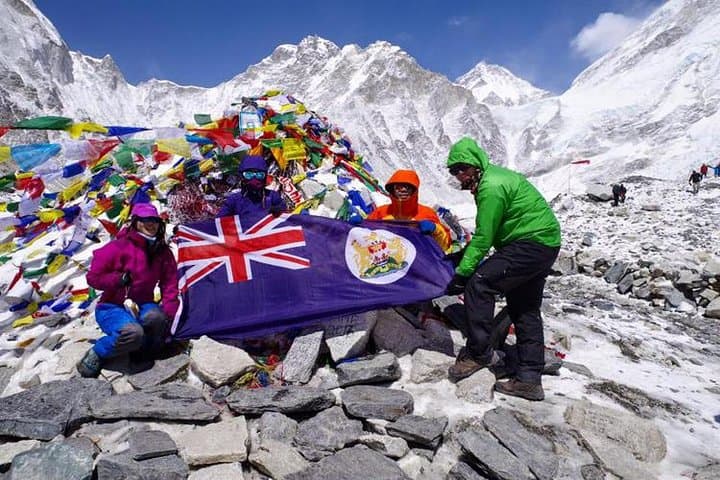
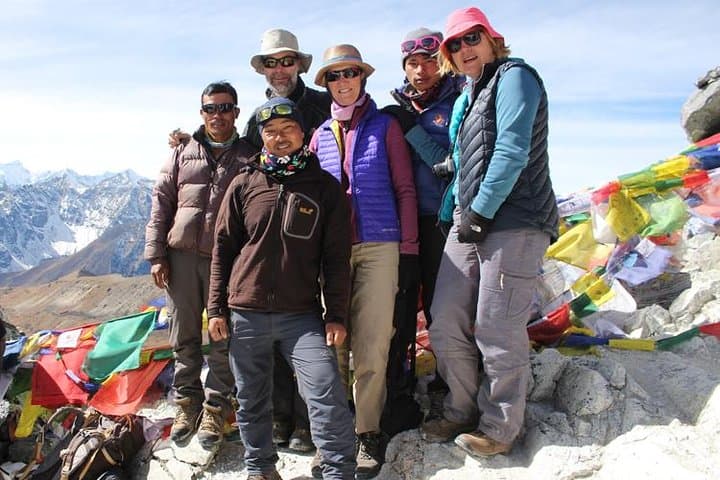
The morning air thins as you lift off from Kathmandu—last city noise shrinking beneath terraced hills—then a 30-minute turn past jagged ridgelines delivers you to Lukla, the mountain doorway. From there the trail threads rhododendron forests and suspension bridges, rises through Namche’s market-streets, and trades trees for wind and stone as you push toward Gorak Shep and Everest Base Camp.
The morning air thins as you lift off from Kathmandu—last city noise shrinking beneath terraced hills—then a 30-minute turn past jagged ridgelines delivers you to Lukla, the mountain doorway. From there the trail threads rhododendron forests and suspension bridges, rises through Namche’s market-streets, and trades trees for wind and stone as you push toward Gorak Shep and Everest Base Camp.
This route follows classic Khumbu passes shaped by glacial carve and tectonic uplift: moraines, exposed granite, and the blue-gray tongues of the Khumbu Glacier. Culturally the corridor is Sherpa country—monasteries, mani stones and tea houses reflect centuries of Himalayan trade and mountaineering history tied to figures like Tenzing Norgay and early expeditions.
Expect daily hikes of 5–8 hours with key legs: Lukla–Phakding (3–4 hrs, to 2,651 m), Phakding–Namche (5–6 hrs, 3,438 m), Dingboche and Lobuche approaches (4,360–4,910 m), Gorak Shep and a day to EBC (5,364 m) with Kala Patthar (5,545 m) for sunrise views of Everest.
Practical notes: prioritize acclimatization—plan rest or slow ascent days; hydrate and eat; carry layered clothing for rapid temperature swings and a quality sleeping bag for cold nights in tea houses. Flights to/from Lukla are weather-dependent—allow buffer days. Tea houses provide basic meals and lodging but bring cash and small-denomination Nepali rupees. Altitude is the main objective hazard—know symptoms and have a plan for descent or evacuation.
Taken together, the trek is an exacting yet accessible high-altitude trek that requires preparation, respect for the mountains and a measured pace to reach the glacier-strewn horizon where Everest rises above the roofline of the world.