THE ADVENTURE COLLECTIVE® · Independent discovery and booking for outdoor travel

Fly into Lukla and step onto a classic Himalayan route that climbs through Sherpa villages, high alpine meadows, and glacial moraine to Everest Base Camp and Kala Patthar. This 10‑day itinerary balances acclimatization with big views and practical logistics.
Fly into Lukla and step onto a classic Himalayan route that climbs through Sherpa villages, high alpine meadows, and glacial moraine to Everest Base Camp and Kala Patthar. This 10‑day itinerary balances acclimatization with big views and practical logistics.
The trail opens with the rattle of a small plane and the thin, bright air of Lukla — prayer flags snapping like small applause as you step onto a runway that feels carved from a mountain. From there the path threads river valleys, crosses swinging suspension bridges, and climbs through pine and rhododendron to the bustling stone-and-timber market of Namche Bazaar.
Verified experiences and guided adventures in the surrounding area.
Operated by Peak to Peak Tours and Treks Pvt Ltd · Lukla, Province No. 1
The trail opens with the rattle of a small plane and the thin, bright air of Lukla — prayer flags snapping like small applause as you step onto a runway that feels carved from a mountain. From there the path threads river valleys, crosses swinging suspension bridges, and climbs through pine and rhododendron to the bustling stone-and-timber market of Namche Bazaar.
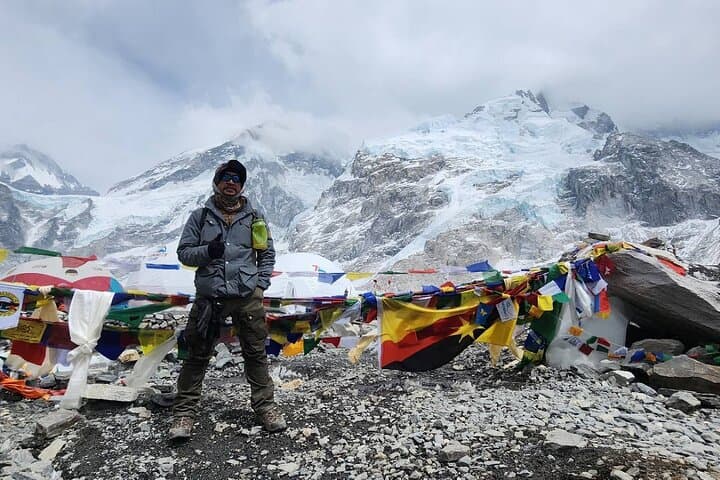
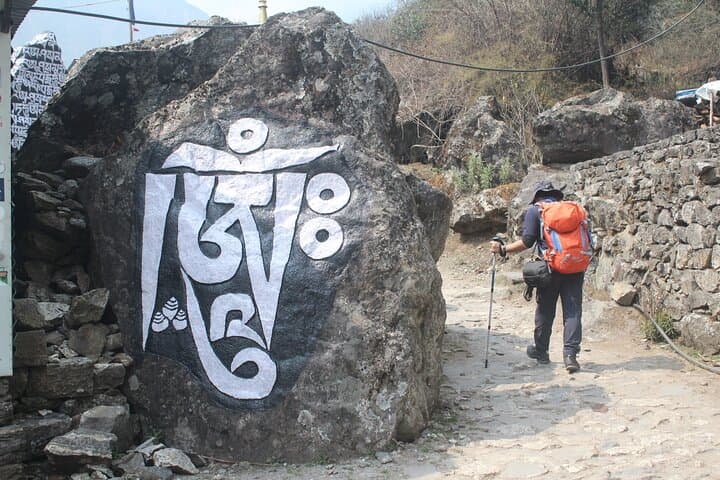
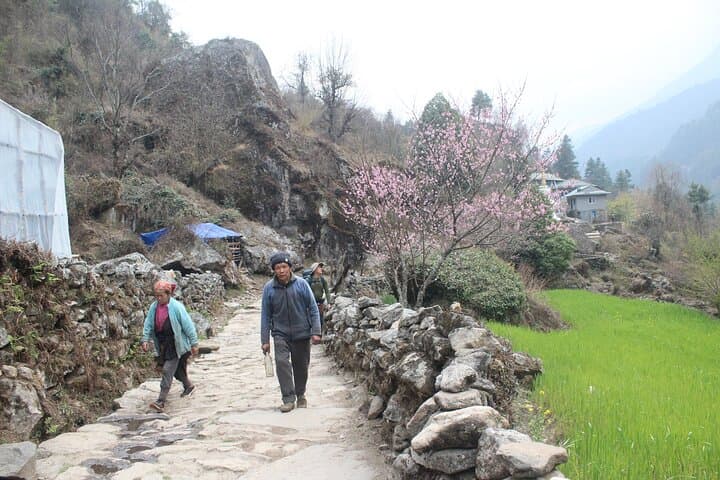
The route follows routes used for centuries by Sherpa traders and pilgrims; the Khumbu Glacier and moraines you pass are recent chapters in an ancient, moving landscape shaped by Himalayan uplift and ongoing glacial erosion. Tengboche’s monastery offers a window into Sherpa Buddhist life, while villages along the way display stacked fields and prayer stones that map human adaptation to high altitude.
Expect hard-packed dirt, rocky moraines, and packed-teahouse nights where diesel lamps warm shared dining rooms. Nature will press on you — wind that tests your jacket, sun that demands a hat, and thin air that forces slow steps. Acclimatization days at Namche and Dingboche are part of the plan, not padding.
Practical guidance: plan 5–7 hours of walking on trek days, carry layered insulation, and use a hydration system to combat altitude dehydration. Book Lukla flights early and factor weather delays into return plans. Choose footwear with firm ankle support; poles reduce knee strain on descents. Permits (TIMS and Sagarmatha National Park) are required, and local guides make a big difference for safety and cultural insight. With sensible pacing and proper gear, the trail rewards with close-up views of Everest, Lhotse, Ama Dablam, and a palpable sense of accomplishment.
challenging.
10 days.
Good aerobic base and experience hiking 5–7 hours daily at altitude; ability to tolerate multi-day exertion and carry a daypack
Yes — both a TIMS (Trekkers' Information Management System) card and Sagarmatha National Park permit are required and typically arranged by your operator.
Autumn (Sept–Nov) and spring (Mar–May) offer the best combination of stable weather and clear mountain views; winter is colder and monsoon brings more rain.
The trek reaches 5,364 m at Base Camp and 5,545 m at Kala Patthar; gradual acclimatization days reduce risk but altitude sickness remains the main hazard—know symptoms and descend if needed.
Flights are frequently delayed or cancelled due to weather; allow buffer days in Kathmandu or Lukla and consider alternative routing if schedules are tight.
The Khumbu valley has long been a conduit for Tibetan-Nepali trade and is the cultural heartland of the Sherpa people, whose mountaineering history rose with Everest expeditions in the 20th century.
Sagarmatha National Park protects fragile high‑altitude ecosystems; stick to trails, minimize waste, and support local teahouses to reduce environmental impact.
Peak to Peak Tours and Treks Pvt Ltd operates guided outdoor trips and adventures with an emphasis on safety, stewardship, and memorable experiences.
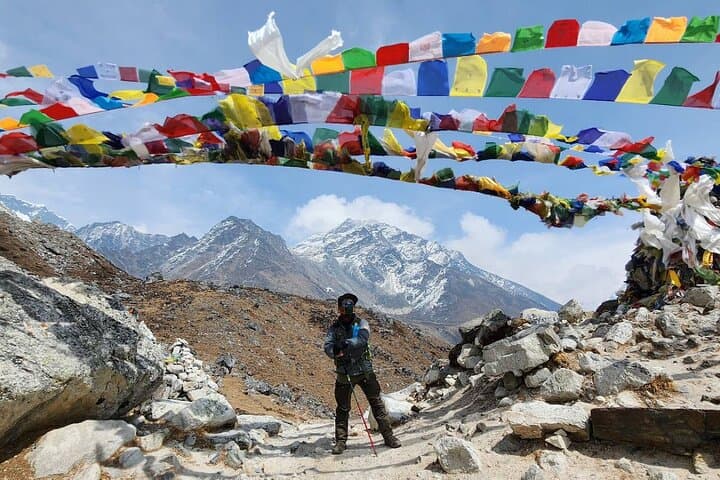
The trail opens with the rattle of a small plane and the thin, bright air of Lukla — prayer flags snapping like small applause as you step onto a runway that feels carved from a mountain. From there the path threads river valleys, crosses swinging suspension bridges, and climbs through pine and rhododendron to the bustling stone-and-timber market of Namche Bazaar.
The trail opens with the rattle of a small plane and the thin, bright air of Lukla — prayer flags snapping like small applause as you step onto a runway that feels carved from a mountain. From there the path threads river valleys, crosses swinging suspension bridges, and climbs through pine and rhododendron to the bustling stone-and-timber market of Namche Bazaar.
The route follows routes used for centuries by Sherpa traders and pilgrims; the Khumbu Glacier and moraines you pass are recent chapters in an ancient, moving landscape shaped by Himalayan uplift and ongoing glacial erosion. Tengboche’s monastery offers a window into Sherpa Buddhist life, while villages along the way display stacked fields and prayer stones that map human adaptation to high altitude.
Expect hard-packed dirt, rocky moraines, and packed-teahouse nights where diesel lamps warm shared dining rooms. Nature will press on you — wind that tests your jacket, sun that demands a hat, and thin air that forces slow steps. Acclimatization days at Namche and Dingboche are part of the plan, not padding.
Practical guidance: plan 5–7 hours of walking on trek days, carry layered insulation, and use a hydration system to combat altitude dehydration. Book Lukla flights early and factor weather delays into return plans. Choose footwear with firm ankle support; poles reduce knee strain on descents. Permits (TIMS and Sagarmatha National Park) are required, and local guides make a big difference for safety and cultural insight. With sensible pacing and proper gear, the trail rewards with close-up views of Everest, Lhotse, Ama Dablam, and a palpable sense of accomplishment.