THE ADVENTURE COLLECTIVE® · Independent discovery and booking for outdoor travel

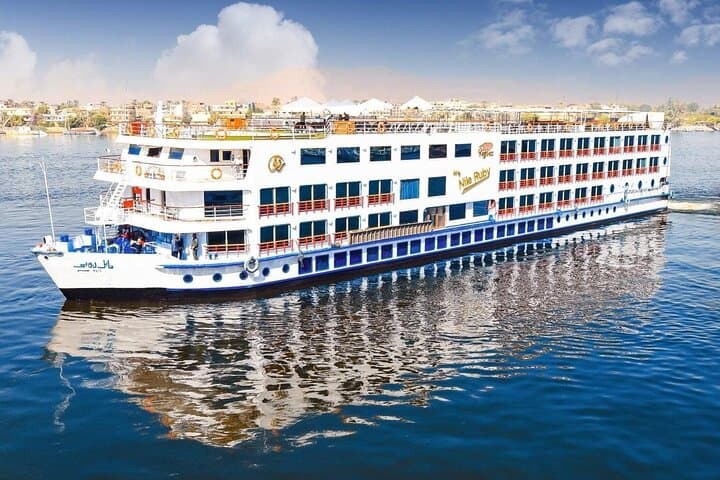
A compact 10-day itinerary that pairs the Giza pyramids, Saqqara and Cairo’s museums with an elegant five-star Nile cruise and overnight train travel. Add a jeep adventure to the White Desert and Bedouin camping for a contrasting desert night under stark chalk formations.
A compact 10-day itinerary that pairs the Giza pyramids, Saqqara and Cairo’s museums with an elegant five-star Nile cruise and overnight train travel. Add a jeep adventure to the White Desert and Bedouin camping for a contrasting desert night under stark chalk formations.
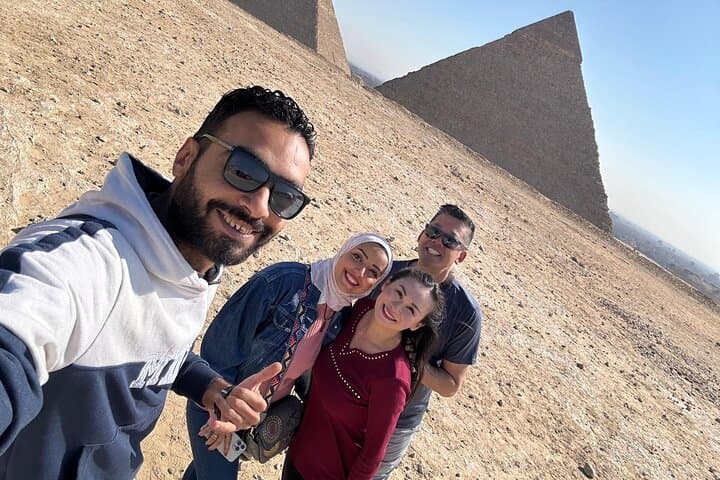
You step out of the van onto the warm stone of the Giza Plateau as the morning sun slices across the faces of Cheops, Chephren and Mykerinos. Sand crunches underfoot, vendors call in the distance, and the Nile, a long ribbon of green, waits downstream to carry you toward temples carved out of living rock.
Verified experiences and guided adventures in the surrounding area.
Operated by Egypt Best Holidays · Cairo, Cairo Governorate
You step out of the van onto the warm stone of the Giza Plateau as the morning sun slices across the faces of Cheops, Chephren and Mykerinos. Sand crunches underfoot, vendors call in the distance, and the Nile, a long ribbon of green, waits downstream to carry you toward temples carved out of living rock.
This 10-day loop combines Egypt’s most elemental contrasts: Pharaonic monuments in Cairo and Luxor, the wind-sculpted chalk moonscapes of the White Desert, and a slow, civilized sail between Aswan and Luxor on a five-star Nile cruiser. Saqqara’s Step Pyramid marks engineering’s early ambition while the High Dam and Philae speak to modern Nile management and living faiths. Geologically, the Western Desert’s chalk and quartz outcrops formed from ancient seabeds; their bright, surreal forms are best seen at sunset.
Culturally, plan for layered experiences—Arabic hospitality on the cruise and Bedouin-run desert camps; expert Egyptology commentary at tombs; local markets in Cairo. Practical notes: sleepers on the overnight rail save time but bring earplugs; temple visits involve stairs and uneven stone; the White Desert night is cold despite daytime heat.
Bring sun protection, a small daypack, and comfortable walking shoes. Hydrate often—the air is dry, and long transfer drives are normal. Allow time for museum queues (or opt for guided skip-the-line access) and budget for tips and optional upgrades like Abu Simbel or sleeper cabins. Expect active, varied days that mix archaeology, desertscape photography, and slow river travel—each section offering a different pace of Egypt’s landscape and history.
moderate.
10 days.
Moderate fitness recommended—able to handle multi-hour walking days, temple stairs, and short desert hikes.
Most nationalities require a tourist visa for Egypt; check current requirements and obtain one in advance or on arrival where eligible.
The standard seated overnight train saves time but is basic; a sleeper upgrade provides bunks and privacy at extra cost and is recommended for better rest.
The camp is simple but equipped with tents, beds and meals; expect basic facilities managed by local Bedouin staff and significant temperature swings between day and night.
This route threads ancient capitals and monuments from Old Kingdom burial complexes to New Kingdom temples; the Nile valley sustained Egypt’s civilizations for millennia.
Tourism impacts are concentrated at high-traffic monuments and fragile desert sites—stick to established paths, avoid touching reliefs, and follow local guidance to reduce erosion and preserve archaeological contexts.
Egypt Best Holidays operates guided outdoor trips and adventures with an emphasis on safety, stewardship, and memorable experiences.
You step out of the van onto the warm stone of the Giza Plateau as the morning sun slices across the faces of Cheops, Chephren and Mykerinos. Sand crunches underfoot, vendors call in the distance, and the Nile, a long ribbon of green, waits downstream to carry you toward temples carved out of living rock.
You step out of the van onto the warm stone of the Giza Plateau as the morning sun slices across the faces of Cheops, Chephren and Mykerinos. Sand crunches underfoot, vendors call in the distance, and the Nile, a long ribbon of green, waits downstream to carry you toward temples carved out of living rock.
This 10-day loop combines Egypt’s most elemental contrasts: Pharaonic monuments in Cairo and Luxor, the wind-sculpted chalk moonscapes of the White Desert, and a slow, civilized sail between Aswan and Luxor on a five-star Nile cruiser. Saqqara’s Step Pyramid marks engineering’s early ambition while the High Dam and Philae speak to modern Nile management and living faiths. Geologically, the Western Desert’s chalk and quartz outcrops formed from ancient seabeds; their bright, surreal forms are best seen at sunset.
Culturally, plan for layered experiences—Arabic hospitality on the cruise and Bedouin-run desert camps; expert Egyptology commentary at tombs; local markets in Cairo. Practical notes: sleepers on the overnight rail save time but bring earplugs; temple visits involve stairs and uneven stone; the White Desert night is cold despite daytime heat.
Bring sun protection, a small daypack, and comfortable walking shoes. Hydrate often—the air is dry, and long transfer drives are normal. Allow time for museum queues (or opt for guided skip-the-line access) and budget for tips and optional upgrades like Abu Simbel or sleeper cabins. Expect active, varied days that mix archaeology, desertscape photography, and slow river travel—each section offering a different pace of Egypt’s landscape and history.