THE ADVENTURE COLLECTIVE® · Independent discovery and booking for outdoor travel

A comprehensive 10-day loop from Casablanca through Morocco’s imperial cities to the Sahara, this private tour pairs cultural immersion with dramatic landscapes—riads, gorges, and an overnight camel camp in Erg Chebbi.
A comprehensive 10-day loop from Casablanca through Morocco’s imperial cities to the Sahara, this private tour pairs cultural immersion with dramatic landscapes—riads, gorges, and an overnight camel camp in Erg Chebbi.
The engine hums awake in Casablanca as the group spills onto boulevards that still smell faintly of sea and fresh bread. Over ten days the itinerary unfolds like a map being traced by hand: Atlantic façades and imperial medinas, cedar forests that creak with wind, red-earth kasbahs stacked against the High Atlas, and the vast, shifting dunes of Erg Chebbi where night opens to a sky full of stars.
Verified experiences and guided adventures in the surrounding area.
Operated by JD Morocco Tours, Sarl · Casablanca, Casablanca-Settat
The engine hums awake in Casablanca as the group spills onto boulevards that still smell faintly of sea and fresh bread. Over ten days the itinerary unfolds like a map being traced by hand: Atlantic façades and imperial medinas, cedar forests that creak with wind, red-earth kasbahs stacked against the High Atlas, and the vast, shifting dunes of Erg Chebbi where night opens to a sky full of stars.
This route threads Morocco’s imperial cities—Casablanca, Rabat, Fez, Meknes, Marrakesh—linking Roman ruins at Volubilis to fortified Ait Ben Haddou and the rock-sheared Todgha Gorges. Geologically the trip moves from Atlantic coastal plains to limestone gorges and the ergs of the Sahara; Tizi n’Tichka pass tops near 2,260 m, while Merzouga sits around 730 m above sea level. Culturally travelers meet Berber villages, learn Gnawa music in Merzouga and browse souks where artisans still carve Thuya wood.
Practically, expect long driving days—roughly 1,800 km roundtrip—with timed walking tours and a guided camel trek and overnight in a desert camp. Accommodations are typically 3-star riads and hotels, with one night under canvas in Erg Chebbi. Bring layered clothing for temperature swings (hot days, cool nights), comfortable walking shoes for uneven medina alleys, and cash for markets.
Timing matters: start early for ouds and monuments to avoid midday heat and aim to arrive in Merzouga before sunset for the best dune light. The tour is private and flexible, so adapt pacing to rest after long drives and to savor the landscapes rather than race them.
moderate.
10 days (approx. 240 hours).
Suitable for travelers in average fitness: able to handle several hours of walking, short hikes, and multi-hour drives; one moderate camel trek in soft sand.
Breakfast is included daily and one dinner in the desert camp; most lunches and other dinners are at local restaurants and can be arranged by the guide.
The camel ride is low-impact but done in soft sand; riders need basic balance and should inform guides about any back or mobility issues.
Visa requirements depend on nationality; many countries have visa-free entry for short stays—check official Moroccan government guidance before travel.
The itinerary notes infants must sit on laps; long drives and a desert night make the tour more suitable for older children used to travel.
The loop visits Morocco’s imperial cities and caravan routes; Ait Ben Haddou and Volubilis are UNESCO sites that reflect Roman and pre-colonial trade and architecture.
Water scarcity and fragile desert ecosystems mean visitors should minimize waste, avoid driving on dunes outside designated tracks, and support local guides and community-run camps.
JD Morocco Tours, Sarl operates guided outdoor trips and adventures with an emphasis on safety, stewardship, and memorable experiences.
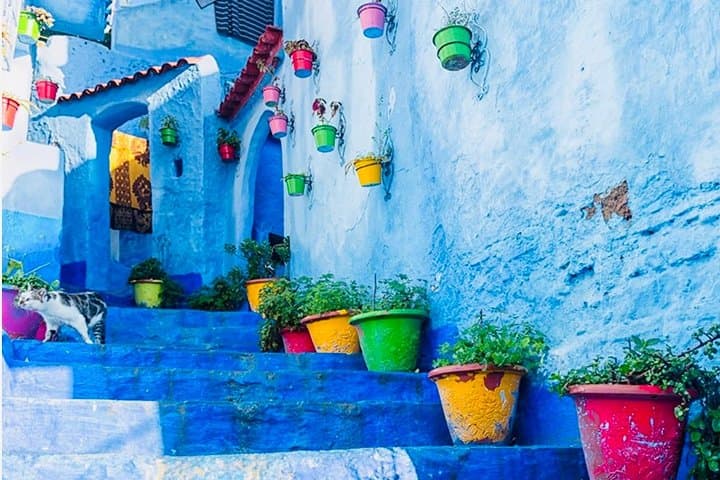
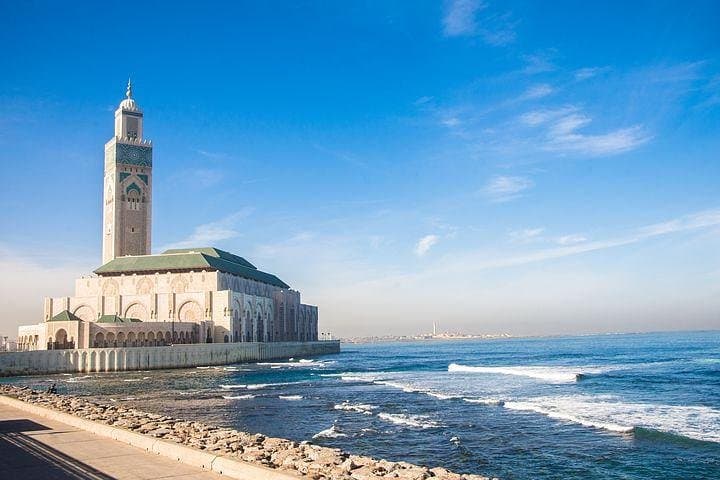

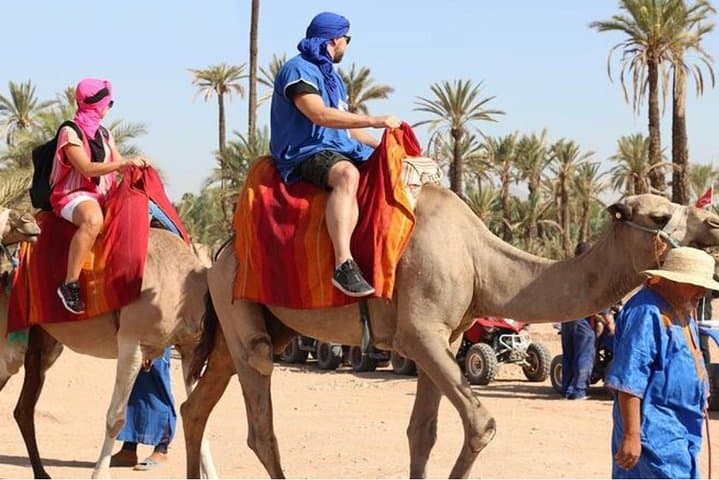
The engine hums awake in Casablanca as the group spills onto boulevards that still smell faintly of sea and fresh bread. Over ten days the itinerary unfolds like a map being traced by hand: Atlantic façades and imperial medinas, cedar forests that creak with wind, red-earth kasbahs stacked against the High Atlas, and the vast, shifting dunes of Erg Chebbi where night opens to a sky full of stars.
The engine hums awake in Casablanca as the group spills onto boulevards that still smell faintly of sea and fresh bread. Over ten days the itinerary unfolds like a map being traced by hand: Atlantic façades and imperial medinas, cedar forests that creak with wind, red-earth kasbahs stacked against the High Atlas, and the vast, shifting dunes of Erg Chebbi where night opens to a sky full of stars.
This route threads Morocco’s imperial cities—Casablanca, Rabat, Fez, Meknes, Marrakesh—linking Roman ruins at Volubilis to fortified Ait Ben Haddou and the rock-sheared Todgha Gorges. Geologically the trip moves from Atlantic coastal plains to limestone gorges and the ergs of the Sahara; Tizi n’Tichka pass tops near 2,260 m, while Merzouga sits around 730 m above sea level. Culturally travelers meet Berber villages, learn Gnawa music in Merzouga and browse souks where artisans still carve Thuya wood.
Practically, expect long driving days—roughly 1,800 km roundtrip—with timed walking tours and a guided camel trek and overnight in a desert camp. Accommodations are typically 3-star riads and hotels, with one night under canvas in Erg Chebbi. Bring layered clothing for temperature swings (hot days, cool nights), comfortable walking shoes for uneven medina alleys, and cash for markets.
Timing matters: start early for ouds and monuments to avoid midday heat and aim to arrive in Merzouga before sunset for the best dune light. The tour is private and flexible, so adapt pacing to rest after long drives and to savor the landscapes rather than race them.