THE ADVENTURE COLLECTIVE® · Independent discovery and booking for outdoor travel

Watch sunrise at Angkor Wat, explore jungle-swallowed ruins at Ta Prohm, cool off under Phnom Kulen’s falls and finish with white-sand beaches on Koh Rong and a cultural tour of Phnom Penh. This 10-day itinerary mixes world-class archaeology with island time and city history.
Watch sunrise at Angkor Wat, explore jungle-swallowed ruins at Ta Prohm, cool off under Phnom Kulen’s falls and finish with white-sand beaches on Koh Rong and a cultural tour of Phnom Penh. This 10-day itinerary mixes world-class archaeology with island time and city history.
You arrive before dawn, the air thick with humidity and the reflection pool at Angkor Wat holding a bruised sky. Lanterns of morning light widen across lotus leaves as your guide points out the first rays cresting the temple’s central tower — a quiet, precise beginning to ten days that move from carved stone into island surf and the layered history of a capital city.
Verified experiences and guided adventures in the surrounding area.
Operated by Travel to Inspire · Siem Reap, Siem Reap Province
You arrive before dawn, the air thick with humidity and the reflection pool at Angkor Wat holding a bruised sky. Lanterns of morning light widen across lotus leaves as your guide points out the first rays cresting the temple’s central tower — a quiet, precise beginning to ten days that move from carved stone into island surf and the layered history of a capital city.
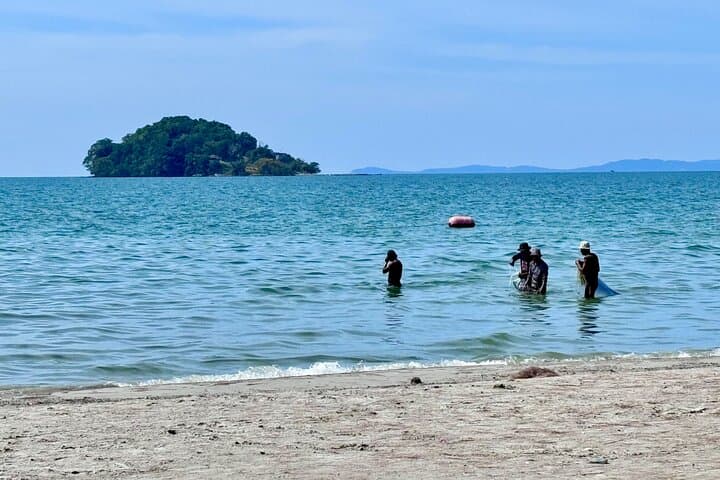
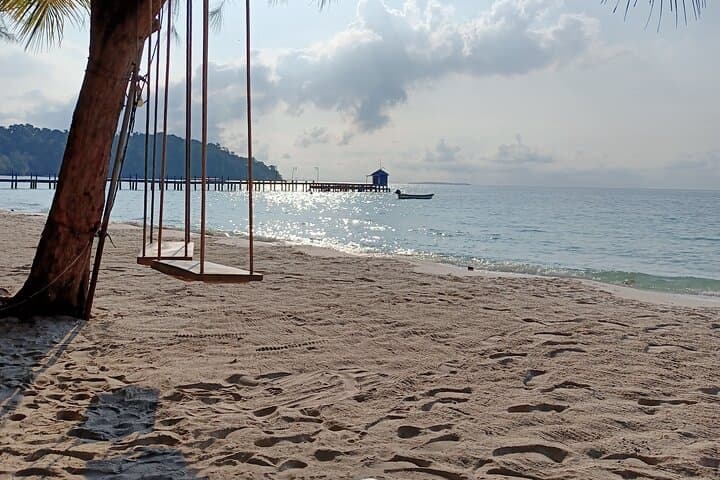
Angkor Wat, Ta Prohm and Bayon speak to the Khmer Empire’s architectural ambition: sandstone galleries, bas-reliefs of epics and faces carved into towers. Banteay Srei’s pink sandstone and Phnom Kulen’s jungle-carved riverbeds reveal different stones and hands across centuries. On Koh Rong, coral gardens and, at night, bioluminescent plankton redraw the map from temple to tide. Phnom Penh gathers colonial and royal histories — the Royal Palace, National Museum — and the somber memorials that mark recent national trauma.
Practical guidance: plan very early starts for Angkor sunrise and quieter temple circuits later in the morning; carry a temple-appropriate wardrobe (shoulders and knees covered) and a reliable water system; expect uneven steps and shaded paths under old trees at Ta Prohm and Phnom Kulen. Ferry crossings to Koh Rong are short but can be bumpy; pack a daypack with swimwear and reef-safe sunscreen. Cash and small change are useful in markets and for small vendors on islands. Allow travel buffers — the road transfer to Sihanoukville is long — and respect local religious sites by removing hats and speaking softly. With basic preparation, this trip balances monumental history, fresh-water falls and coral-blue beaches into a single, practical Cambodian route.
moderate.
10 days.
Comfortable walking for several hours over uneven stone and jungle paths; able to manage transfers and full travel days.
Yes — the itinerary states that all temple tickets are included in the tour price.
Many nationalities require a visa; you can obtain an e-visa before travel or a visa on arrival for some passports — check current embassy guidance before booking.
Most days involve moderate walking on uneven surfaces and some full travel days; the operator notes the tour is suitable for a range of fitness levels but not recommended for those with serious spinal or heart issues.
Yes — the itinerary includes transfers, ferry from Sihanoukville to Koh Rong, and airport pickup and drop-off as listed in the inclusions.
Angkor was the heart of the Khmer Empire (9th–15th centuries) whose temples map religious and political power; Phnom Penh later became the colonial and modern capital shaping contemporary Cambodia.
Angkor faces erosion and visitor-impact challenges; on Koh Rong, reef-friendly practices and local waste management efforts help reduce tourism pressure.
Travel to Inspire operates guided outdoor trips and adventures with an emphasis on safety, stewardship, and memorable experiences.
You arrive before dawn, the air thick with humidity and the reflection pool at Angkor Wat holding a bruised sky. Lanterns of morning light widen across lotus leaves as your guide points out the first rays cresting the temple’s central tower — a quiet, precise beginning to ten days that move from carved stone into island surf and the layered history of a capital city.
You arrive before dawn, the air thick with humidity and the reflection pool at Angkor Wat holding a bruised sky. Lanterns of morning light widen across lotus leaves as your guide points out the first rays cresting the temple’s central tower — a quiet, precise beginning to ten days that move from carved stone into island surf and the layered history of a capital city.
Angkor Wat, Ta Prohm and Bayon speak to the Khmer Empire’s architectural ambition: sandstone galleries, bas-reliefs of epics and faces carved into towers. Banteay Srei’s pink sandstone and Phnom Kulen’s jungle-carved riverbeds reveal different stones and hands across centuries. On Koh Rong, coral gardens and, at night, bioluminescent plankton redraw the map from temple to tide. Phnom Penh gathers colonial and royal histories — the Royal Palace, National Museum — and the somber memorials that mark recent national trauma.
Practical guidance: plan very early starts for Angkor sunrise and quieter temple circuits later in the morning; carry a temple-appropriate wardrobe (shoulders and knees covered) and a reliable water system; expect uneven steps and shaded paths under old trees at Ta Prohm and Phnom Kulen. Ferry crossings to Koh Rong are short but can be bumpy; pack a daypack with swimwear and reef-safe sunscreen. Cash and small change are useful in markets and for small vendors on islands. Allow travel buffers — the road transfer to Sihanoukville is long — and respect local religious sites by removing hats and speaking softly. With basic preparation, this trip balances monumental history, fresh-water falls and coral-blue beaches into a single, practical Cambodian route.