THE ADVENTURE COLLECTIVE® · Independent discovery and booking for outdoor travel

Trace Ecuador’s ecological gradient from high Andes cloud forest to Amazonian flooded lakes on this 10-day birding photography tour. Expect morning leks, feeder sessions, and close encounters with endemic species across reserves from Mashpi to Limoncocha.
Trace Ecuador’s ecological gradient from high Andes cloud forest to Amazonian flooded lakes on this 10-day birding photography tour. Expect morning leks, feeder sessions, and close encounters with endemic species across reserves from Mashpi to Limoncocha.
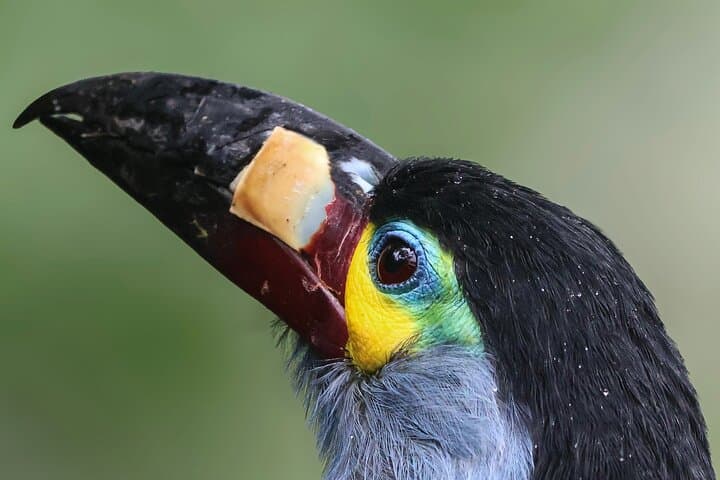
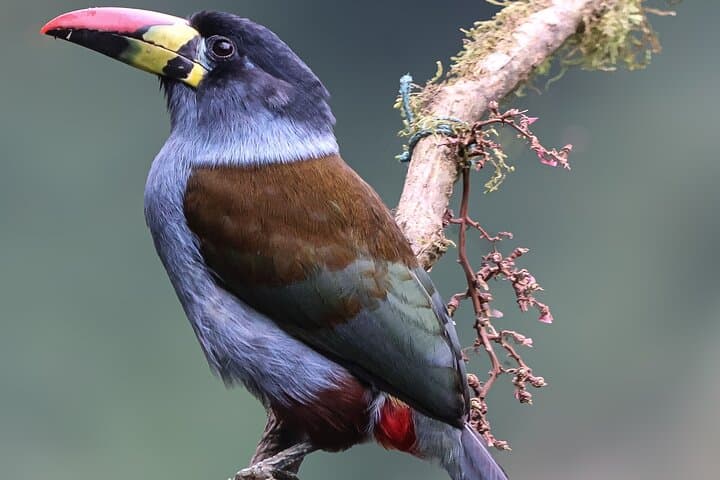
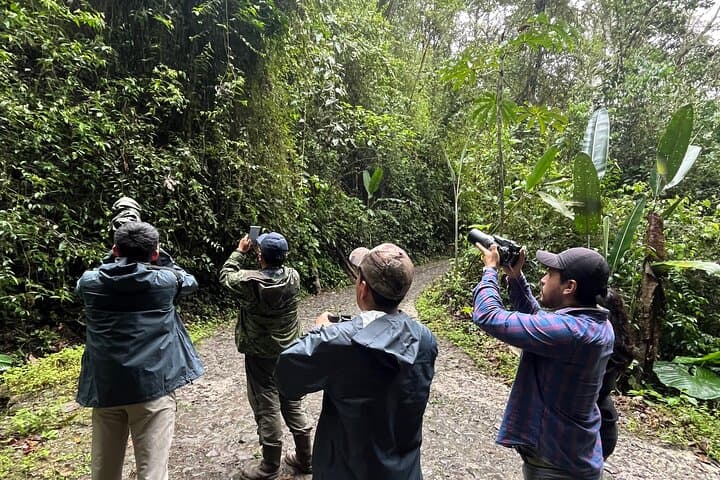
A thin mist lifts off an Andean ridge as photographers line a muddy trail, lenses aimed at a hummingbird that seems to hover mid-air like a bright punctuation. Over the next ten days the route moves from high-altitude paramo and cloud forest to humid Chocó foothills and the slow, dark channels of the Amazon — a shifting stage where birds set the pace.
Verified experiences and guided adventures in the surrounding area.
Operated by Mirlo Tours · Quito, Pichincha
A thin mist lifts off an Andean ridge as photographers line a muddy trail, lenses aimed at a hummingbird that seems to hover mid-air like a bright punctuation. Over the next ten days the route moves from high-altitude paramo and cloud forest to humid Chocó foothills and the slow, dark channels of the Amazon — a shifting stage where birds set the pace.
Geology here is raw and recent: the Andes rise where the Nazca Plate slips under South America, carving steep valleys and creating cloud-wrapped slopes that trap moisture and feed both western Chocó forests and eastern Amazon foothills. That tectonic drama creates distinct life zones packed with endemics — choco tanagers in the west, cock-of-the-rock displays in the cloud forest, and herons and macaws on Limoncocha’s edges. Cultural notes thread through the trip: market towns around Quito, indigenous stewardship in reserve operations, and the Equator-line exhibits you pass near the end.
Expect guided feeder sessions, early starts to catch dawn choruses, and carefully staged lek observations for species like the Andean cock-of-the-rock. Photography is the focus: guides position hides and feeders, but lighting is variable — cloudburst and sun can swap in an hour. Practical guidance: acclimatize for at least a day in Quito, prioritize a fast telephoto and stabilizing kit, bring a lightweight waterproof layer, and budget time for vehicle transfers on rough roads. Respect local rules at feeding stations, keep noise low at lek sites, and charge batteries nightly — opportunities are fleeting, and the birds rarely wait.
moderate.
10 days.
Participants should be comfortable with multiple short hikes (30–90 minutes) on uneven trails, some early mornings, and occasional multi-hour vehicle transfers.
Moderate fitness: expect frequent short walks, some uneven terrain, and long travel days; no technical climbing required.
Yes — the itinerary includes 10 nights of accommodation and most meals as listed, with regional lodges matched to birding locations.
Yes — portions of the tour visit highland reserves and volcanic passes; acclimatization is recommended to reduce altitude effects.
Yes — the tour welcomes photographers of all levels and provides naturalist photographer guides to help with composition and field techniques.
The route follows ecological corridors shaped since Pre-Columbian times; indigenous communities have long managed forest patches that later became protected reserves and lodges for birding.
Many stops are in privately protected reserves that rely on birding tourism for funding; follow guide instructions to minimize disturbance to sensitive lek and feeder sites.
Mirlo Tours operates guided outdoor trips and adventures with an emphasis on safety, stewardship, and memorable experiences.

A thin mist lifts off an Andean ridge as photographers line a muddy trail, lenses aimed at a hummingbird that seems to hover mid-air like a bright punctuation. Over the next ten days the route moves from high-altitude paramo and cloud forest to humid Chocó foothills and the slow, dark channels of the Amazon — a shifting stage where birds set the pace.
A thin mist lifts off an Andean ridge as photographers line a muddy trail, lenses aimed at a hummingbird that seems to hover mid-air like a bright punctuation. Over the next ten days the route moves from high-altitude paramo and cloud forest to humid Chocó foothills and the slow, dark channels of the Amazon — a shifting stage where birds set the pace.
Geology here is raw and recent: the Andes rise where the Nazca Plate slips under South America, carving steep valleys and creating cloud-wrapped slopes that trap moisture and feed both western Chocó forests and eastern Amazon foothills. That tectonic drama creates distinct life zones packed with endemics — choco tanagers in the west, cock-of-the-rock displays in the cloud forest, and herons and macaws on Limoncocha’s edges. Cultural notes thread through the trip: market towns around Quito, indigenous stewardship in reserve operations, and the Equator-line exhibits you pass near the end.
Expect guided feeder sessions, early starts to catch dawn choruses, and carefully staged lek observations for species like the Andean cock-of-the-rock. Photography is the focus: guides position hides and feeders, but lighting is variable — cloudburst and sun can swap in an hour. Practical guidance: acclimatize for at least a day in Quito, prioritize a fast telephoto and stabilizing kit, bring a lightweight waterproof layer, and budget time for vehicle transfers on rough roads. Respect local rules at feeding stations, keep noise low at lek sites, and charge batteries nightly — opportunities are fleeting, and the birds rarely wait.