THE ADVENTURE COLLECTIVE® · Independent discovery and booking for outdoor travel

Experience two capitals of ritual and river: Bangkok’s boat-strewn Chao Phraya and Siem Reap’s temple fields at sunrise. This 10-day itinerary blends long-tail boats, floating markets, Angkor’s stone architecture and local food with practical tips for making the most of both cities.
Experience two capitals of ritual and river: Bangkok’s boat-strewn Chao Phraya and Siem Reap’s temple fields at sunrise. This 10-day itinerary blends long-tail boats, floating markets, Angkor’s stone architecture and local food with practical tips for making the most of both cities.
You step off the long-tail at Saphan Taksin as the Chao Phraya teases the city edge, water licking at wooden piers while tuk-tuks idle like impatient companions. The next mornings might find you watching the sun pry itself up over Angkor Wat, stone faces blinking awake to the stir of pilgrims and macaques.
Verified experiences and guided adventures in the surrounding area.
Operated by Roads2 Travel Company · Bangkok, Bangkok
You step off the long-tail at Saphan Taksin as the Chao Phraya teases the city edge, water licking at wooden piers while tuk-tuks idle like impatient companions. The next mornings might find you watching the sun pry itself up over Angkor Wat, stone faces blinking awake to the stir of pilgrims and macaques.
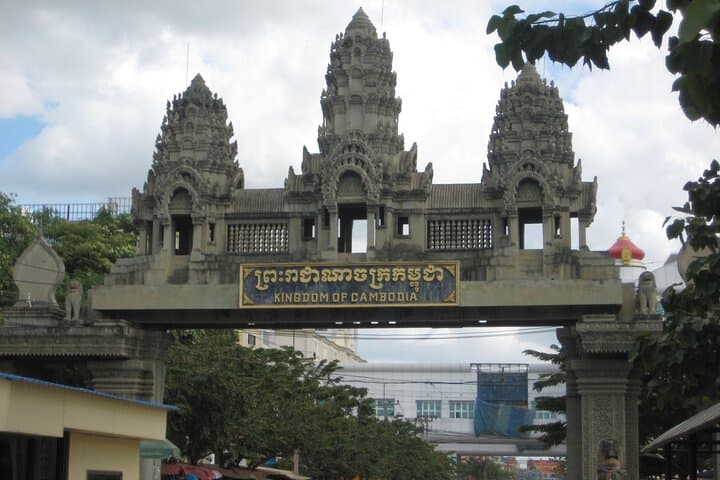
Bangkok is a city of riverine motion and layered history — from the 18th-century move of the capital to the Grand Palace’s gilded chambers and the Temple of Dawn, a riverside landmark born of legend when an elephant refused to go further. Across the border, Angkor’s sandstone galleries speak to the Khmer Empire’s 12th-century reach; Tonle Sap, Southeast Asia’s largest freshwater lake, swells and retreats with the monsoon, shaping communities and wildlife.
Cultural textures arrive as market calls, the click of a motorcycle-pedicab, and a hosted Khmer dinner where flavors are as direct as the history. Expect crowds at sunrise and quieter corridors by noon. Geology is simple but critical here: river sediment builds the delta that feeds Tonle Sap, and heat and humidity shape every plan.
Practical guidance: travel light, favor breathable layers and closed walking shoes for temple steps. Carry local currency (Thai baht and Cambodian riel or USD), a photocopy of your passport, and modest clothing for temple entry. Start temple visits very early to beat heat and crowds, and book your internal flight and Angkor passes in advance. Hydrate often; the city’s BTS and MRT help avoid traffic snarls. Respect temple rules — shoulders and knees covered — and leave no trace at fragile sites.
easy.
10 days.
Suitable for travelers in average fitness; expect long days of walking on uneven temple steps and market strolls.
Most nationalities require a visa for Cambodia (e-visa available) and many can enter Thailand visa-exempt for short stays—check your passport’s country rules before booking.
The itinerary description indicates Angkor entrance fees are included for the two-day pass; confirm at booking and carry your passport for ticketing.
This trip involves uneven temple steps, long walks, and boat transfers; it’s not ideal for those with serious mobility limitations.
US dollars are widely accepted in Cambodia; smaller purchases often use Cambodian riel for change. Carry Thai baht for Bangkok transactions.
Angkor Wat was built in the early 12th century as a Hindu-Buddhist monument for the Khmer Empire; Bangkok became the capital site after the 18th century when riverside access and strategic location mattered most.
Tonle Sap’s seasonal flood pulse supports unique fisheries and habitats but is threatened by overfishing and upstream dams—travelers should support local regulations and products.
Roads2 Travel Company operates guided outdoor trips and adventures with an emphasis on safety, stewardship, and memorable experiences.

You step off the long-tail at Saphan Taksin as the Chao Phraya teases the city edge, water licking at wooden piers while tuk-tuks idle like impatient companions. The next mornings might find you watching the sun pry itself up over Angkor Wat, stone faces blinking awake to the stir of pilgrims and macaques.
You step off the long-tail at Saphan Taksin as the Chao Phraya teases the city edge, water licking at wooden piers while tuk-tuks idle like impatient companions. The next mornings might find you watching the sun pry itself up over Angkor Wat, stone faces blinking awake to the stir of pilgrims and macaques.
Bangkok is a city of riverine motion and layered history — from the 18th-century move of the capital to the Grand Palace’s gilded chambers and the Temple of Dawn, a riverside landmark born of legend when an elephant refused to go further. Across the border, Angkor’s sandstone galleries speak to the Khmer Empire’s 12th-century reach; Tonle Sap, Southeast Asia’s largest freshwater lake, swells and retreats with the monsoon, shaping communities and wildlife.
Cultural textures arrive as market calls, the click of a motorcycle-pedicab, and a hosted Khmer dinner where flavors are as direct as the history. Expect crowds at sunrise and quieter corridors by noon. Geology is simple but critical here: river sediment builds the delta that feeds Tonle Sap, and heat and humidity shape every plan.
Practical guidance: travel light, favor breathable layers and closed walking shoes for temple steps. Carry local currency (Thai baht and Cambodian riel or USD), a photocopy of your passport, and modest clothing for temple entry. Start temple visits very early to beat heat and crowds, and book your internal flight and Angkor passes in advance. Hydrate often; the city’s BTS and MRT help avoid traffic snarls. Respect temple rules — shoulders and knees covered — and leave no trace at fragile sites.