THE ADVENTURE COLLECTIVE® · Independent discovery and booking for outdoor travel

A compact 10-day route that pairs Buenos Aires’ urban energy with the raw power of Iguazú Falls and the high-altitude landscapes of Salta and Humahuaca — ideal for travelers who want cultural depth and dramatic nature in one trip.
A compact 10-day route that pairs Buenos Aires’ urban energy with the raw power of Iguazú Falls and the high-altitude landscapes of Salta and Humahuaca — ideal for travelers who want cultural depth and dramatic nature in one trip.
You step from the plane into Buenos Aires and the city’s pulse is immediate: wide avenues, trampling footsteps of tango, and cafes where conversation rises like steam. Within days the scenery will shift — cathedral spires give way to the thunder of Iguazú and then to the high, sun-baked folds of Salta and the Calchaquí Valleys.
Verified experiences and guided adventures in the surrounding area.
Operated by Signature Tours · Buenos Aires, Buenos Aires
You step from the plane into Buenos Aires and the city’s pulse is immediate: wide avenues, trampling footsteps of tango, and cafes where conversation rises like steam. Within days the scenery will shift — cathedral spires give way to the thunder of Iguazú and then to the high, sun-baked folds of Salta and the Calchaquí Valleys.
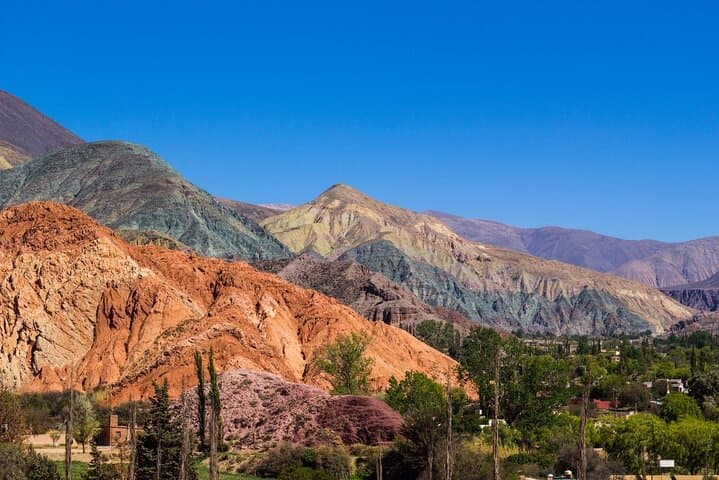
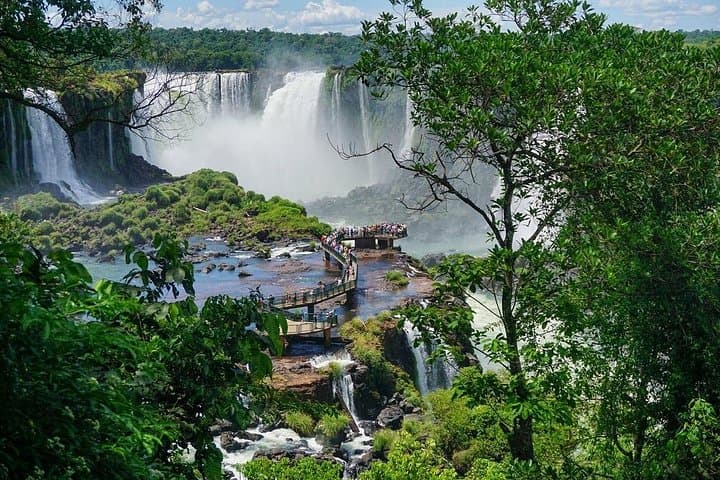
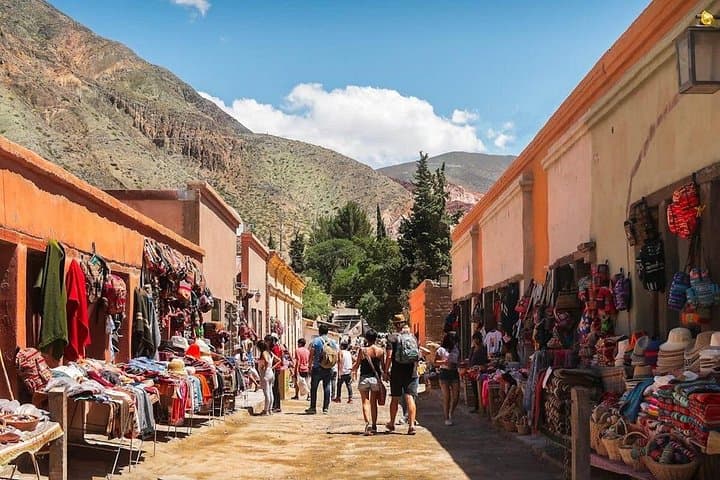
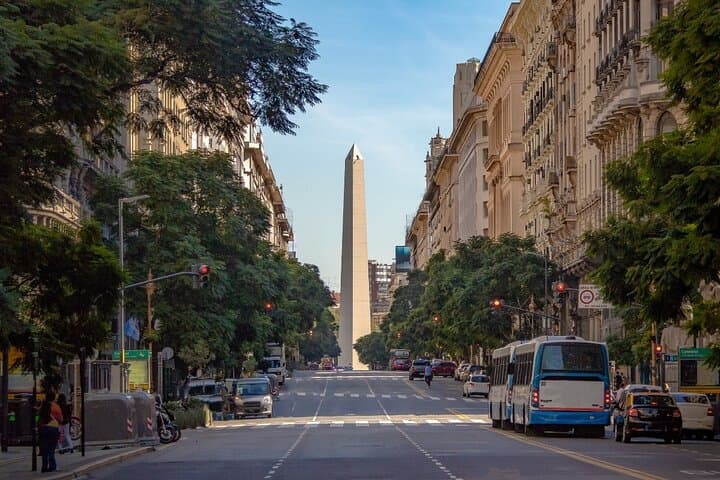
The route threads Argentine history with geology. Buenos Aires’ 19th-century plazas and European-influenced boulevards tell a cultural story of immigration and performance. Iguazú Falls—carved where basalt layers meet softer sediments—push water into chasms that dare you to approach the viewpoint gallery. North in Salta and Jujuy, colonial adobe towns sit against multicolored badlands; the Quebrada de Humahuaca’s banded hills record millions of years of uplift and erosion and today hold strong indigenous traditions. Cafayate brings a viticultural note: Torrontés and dry reds shaped by high-altitude vineyards.
Practically: this is a multi-modal trip of flights, shared and private transfers, and substantial walking on boardwalks and uneven dirt roads. Travelers should plan early morning domestic flights on specified days, carry a daypack, and allow acclimatization time in Salta and Humahuaca where elevations approach 3,000 m. Expect humid subtropical weather at Iguazú (bring rain protection) and strong sun in the northwest. Book national park entrances in advance, check entry requirements for Brazil (e-visa effective Apr 10, 2025), and plan for steady hydration, layered clothing, and comfortable walking shoes for the varied terrain.
moderate.
10 days.
Moderate fitness recommended: comfortable with several hours of walking, some stairs and brief hikes at altitude.
International and domestic flights are not included; plan and book domestic flights for the specified days (early flights required for some excursions).
Yes — as of Apr 10, 2025 U.S. and Canadian citizens require an e‑visa for Brazil; secure it ahead of travel to access the Brazilian side of Iguazú.
Children are permitted but must be accompanied by an adult; the itinerary includes long days, walking, and high-altitude segments that may be strenuous for young children.
Boardwalks and viewpoints offer close access to major cascades; expect heavy spray, loud water, and optional boat rides that get you very wet (usually extra and weather-dependent).
The route links Buenos Aires’ late-19th-century urban expansion with the colonial and pre-Columbian heritage of northwest Argentina; Quebrada de Humahuaca is a UNESCO World Heritage cultural landscape.
Iguazú is protected within national parks on both sides; visitors should stay on boardwalks, avoid feeding wildlife, and minimize single-use plastics to reduce impact.
Signature Tours operates guided outdoor trips and adventures with an emphasis on safety, stewardship, and memorable experiences.
You step from the plane into Buenos Aires and the city’s pulse is immediate: wide avenues, trampling footsteps of tango, and cafes where conversation rises like steam. Within days the scenery will shift — cathedral spires give way to the thunder of Iguazú and then to the high, sun-baked folds of Salta and the Calchaquí Valleys.
You step from the plane into Buenos Aires and the city’s pulse is immediate: wide avenues, trampling footsteps of tango, and cafes where conversation rises like steam. Within days the scenery will shift — cathedral spires give way to the thunder of Iguazú and then to the high, sun-baked folds of Salta and the Calchaquí Valleys.
The route threads Argentine history with geology. Buenos Aires’ 19th-century plazas and European-influenced boulevards tell a cultural story of immigration and performance. Iguazú Falls—carved where basalt layers meet softer sediments—push water into chasms that dare you to approach the viewpoint gallery. North in Salta and Jujuy, colonial adobe towns sit against multicolored badlands; the Quebrada de Humahuaca’s banded hills record millions of years of uplift and erosion and today hold strong indigenous traditions. Cafayate brings a viticultural note: Torrontés and dry reds shaped by high-altitude vineyards.
Practically: this is a multi-modal trip of flights, shared and private transfers, and substantial walking on boardwalks and uneven dirt roads. Travelers should plan early morning domestic flights on specified days, carry a daypack, and allow acclimatization time in Salta and Humahuaca where elevations approach 3,000 m. Expect humid subtropical weather at Iguazú (bring rain protection) and strong sun in the northwest. Book national park entrances in advance, check entry requirements for Brazil (e-visa effective Apr 10, 2025), and plan for steady hydration, layered clothing, and comfortable walking shoes for the varied terrain.