THE ADVENTURE COLLECTIVE® · Independent discovery and booking for outdoor travel

A 10-day teahouse trek around the Annapurna Massif that climbs to Thorong La (5,416 m), crosses high alpine ridges, and finishes with a flight from Jomsom to Pokhara. Expect village lodges, varied terrain, and a crucial acclimatization day in Manang.
A 10-day teahouse trek around the Annapurna Massif that climbs to Thorong La (5,416 m), crosses high alpine ridges, and finishes with a flight from Jomsom to Pokhara. Expect village lodges, varied terrain, and a crucial acclimatization day in Manang.
The trail opens with the engine’s sigh in Kathmandu and a long drive into river valleys where the Marshyangdi dares you to follow it upstream. By the second day trekkers trade road dust for pine-scented air and then for the thin, razor-clear sky of Manang; mountain faces close in, and Paungda Danda looms like a cliff that remembers glaciers.
Verified experiences and guided adventures in the surrounding area.
Operated by Himalayan Trekking · Manang, Gandaki Province
The trail opens with the engine’s sigh in Kathmandu and a long drive into river valleys where the Marshyangdi dares you to follow it upstream. By the second day trekkers trade road dust for pine-scented air and then for the thin, razor-clear sky of Manang; mountain faces close in, and Paungda Danda looms like a cliff that remembers glaciers.
This route crosses 160–230 km of Annapurna’s varied geology—deep gorges carved by the Kali Gandaki, schist and granite ridges, and moraine-scoured high passes. Culturally the corridor is a living trade route: Tibetan-influenced villages, prayer flags, mani walls, and the pilgrimage site at Muktinath reflect centuries of Himalayan exchange.
Expect village-to-village lodges (teahouse trekking), one planned acclimatization day in Manang, and the big day over Thorong La at 5,416 m—an exposed, rocky ridge with sweeping views of Dhaulagiri. The descent drops into drier Mustang-like terrain before a short flight out of Jomsom to Pokhara.
Practical guidance: train with long uphill days and back-to-back mileage, carry a warm sleeping layer even if a sleeping bag is provided, and pace conservatively on the pass day to reduce acute mountain sickness risk. Stay hydrated, use sun protection, and budget for light cash purchases in villages. Travel windows: spring and fall bring the most stable weather; winter is harsher and summer monsoon makes some sections slippery. With proper conditioning and respect for altitude, the Annapurna Circuit delivers high-alpine scenery, living culture, and a demanding multi-day challenge.
challenging.
10 days.
Good cardiovascular fitness with experience doing consecutive days of uphill hiking; able to handle one long, high-altitude day (8–9 hours).
Thorong La is the highest and most demanding day of the trek at 5,416 m; it requires early starts, steady pacing, and careful acclimatization beforehand.
Guides and porters are recommended for logistics, altitude awareness, and local knowledge; this operator provides a guide and one porter per two people.
Acute mountain sickness is a real risk—build in an acclimatization day in Manang, ascend slowly, hydrate, and descend immediately if symptoms worsen.
Spring (March–May) and fall (September–November) offer the most stable weather and clear mountain views; monsoon summer brings trail slipperiness and winter can be very cold.
The circuit follows historic trans-Himalayan trading routes and villages with strong Tibetan cultural influence, visible in architecture and local customs.
Stick to marked trails and teahouse systems, avoid single-use plastics, and support local guides and lodges to keep economic benefits in the communities.
Himalayan Trekking operates guided outdoor trips and adventures with an emphasis on safety, stewardship, and memorable experiences.
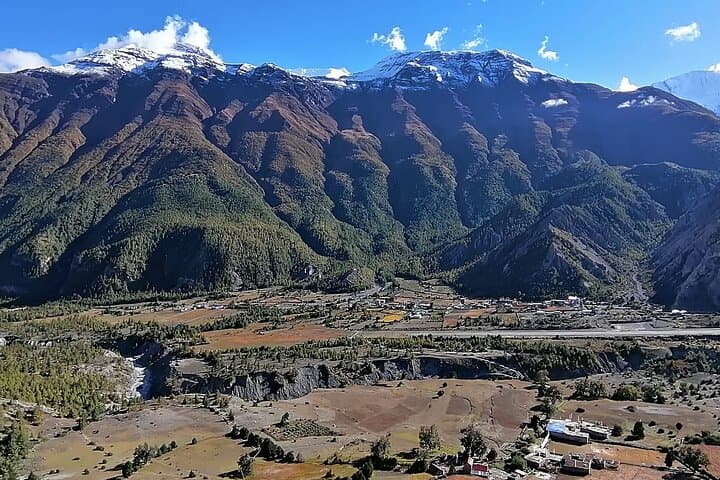
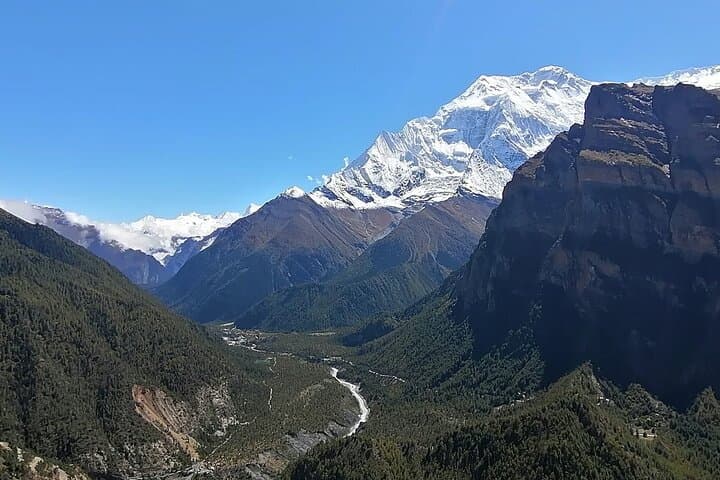
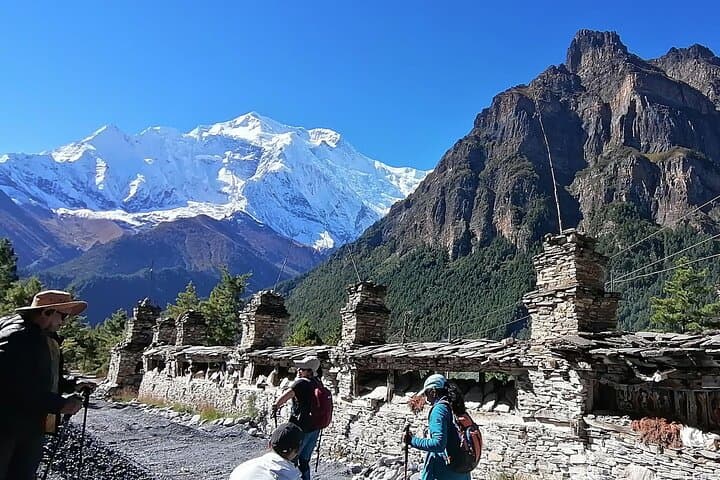
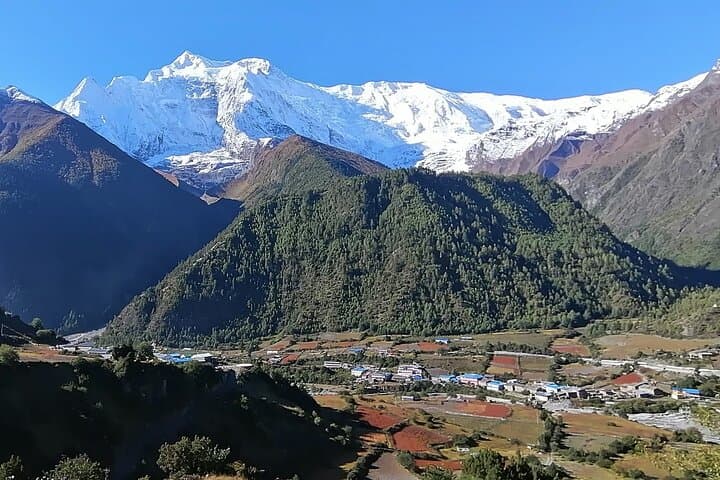
The trail opens with the engine’s sigh in Kathmandu and a long drive into river valleys where the Marshyangdi dares you to follow it upstream. By the second day trekkers trade road dust for pine-scented air and then for the thin, razor-clear sky of Manang; mountain faces close in, and Paungda Danda looms like a cliff that remembers glaciers.
The trail opens with the engine’s sigh in Kathmandu and a long drive into river valleys where the Marshyangdi dares you to follow it upstream. By the second day trekkers trade road dust for pine-scented air and then for the thin, razor-clear sky of Manang; mountain faces close in, and Paungda Danda looms like a cliff that remembers glaciers.
This route crosses 160–230 km of Annapurna’s varied geology—deep gorges carved by the Kali Gandaki, schist and granite ridges, and moraine-scoured high passes. Culturally the corridor is a living trade route: Tibetan-influenced villages, prayer flags, mani walls, and the pilgrimage site at Muktinath reflect centuries of Himalayan exchange.
Expect village-to-village lodges (teahouse trekking), one planned acclimatization day in Manang, and the big day over Thorong La at 5,416 m—an exposed, rocky ridge with sweeping views of Dhaulagiri. The descent drops into drier Mustang-like terrain before a short flight out of Jomsom to Pokhara.
Practical guidance: train with long uphill days and back-to-back mileage, carry a warm sleeping layer even if a sleeping bag is provided, and pace conservatively on the pass day to reduce acute mountain sickness risk. Stay hydrated, use sun protection, and budget for light cash purchases in villages. Travel windows: spring and fall bring the most stable weather; winter is harsher and summer monsoon makes some sections slippery. With proper conditioning and respect for altitude, the Annapurna Circuit delivers high-alpine scenery, living culture, and a demanding multi-day challenge.