THE ADVENTURE COLLECTIVE® · Independent discovery and booking for outdoor travel

A classic multi-day trek from Kathmandu to Annapurna Base Camp, this 10-day route threads Gurung villages, high ridgelines and a final bowl at 4,130 m. Expect teahouse stays, long stone stair sections, and outstanding sunrise views of Annapurna and Machhapuchhre.
A classic multi-day trek from Kathmandu to Annapurna Base Camp, this 10-day route threads Gurung villages, high ridgelines and a final bowl at 4,130 m. Expect teahouse stays, long stone stair sections, and outstanding sunrise views of Annapurna and Machhapuchhre.
You step off the early tourist bus into Pokhara and the city’s humid breath fades as the trail narrows into stone steps and rhododendron forest. The first days climb through Gurung villages where prayer flags snap like small voices, and each ridge lifts you a little closer to the bowl of Annapurna Base Camp, where snowfields and jagged cornices watch over trekkers.
Verified experiences and guided adventures in the surrounding area.
Operated by Couch Adventure Nepal (CAN) · Pokhara, Gandaki Province
You step off the early tourist bus into Pokhara and the city’s humid breath fades as the trail narrows into stone steps and rhododendron forest. The first days climb through Gurung villages where prayer flags snap like small voices, and each ridge lifts you a little closer to the bowl of Annapurna Base Camp, where snowfields and jagged cornices watch over trekkers.
The Annapurna region sits on the Asian monsoon’s western edge; glacially carved valleys and steep moraine define the route. Gurung culture shapes the valleys here — villages such as Ghandruk preserve traditional houses, music, and homestay hospitality that have supported traders and trekkers for generations.
Geology is visible beneath your boots: metamorphic schists, layered river terraces, and steep granite faces reveal a landscape still rising. Rivers dare you across suspension bridges; high ridgelines push the air thin and cool.
Practically, expect 9–10 days of walking with a summit-like finish at 4,130 m. Days are a mix of steep stone staircases, forested descents, and open moraines. Teahouse accommodation is basic but reliable; carry cash and a lightweight sleeping bag for added warmth. Acclimatize on rest days and watch for signs of altitude sickness — the best views come after patience, not force.
Best months are spring and autumn for stable weather and clarity. Hydration, layered clothing, and good boots matter more than speed. Guides handle permits and local logistics; your job is steady walking, respecting local customs, and leaving the high country as you found it.
challenging.
10 days.
Good aerobic fitness with experience on long daily ascents and descending on uneven stone steps; comfortable carrying a daypack.
Yes—trekkers require an ACAP permit and a TIMS card; reputable operators typically arrange these before departure.
Late September–November and March–May offer the most stable weather and best visibility for mountain views.
The trek reaches 4,130 m; altitude sickness is possible—ascend slowly, hydrate, and communicate symptoms with your guide.
Teahouses are simple guesthouses offering basic meals and shared rooms; hot showers and charging ports are often available for a small fee.
This route crosses traditional Gurung homelands and former trade paths; village culture and architecture reflect centuries of Himalayan life.
The Annapurna Conservation Area (ACAP) manages permits and community programs—stay on trails, pack out waste, and support local lodges.
Couch Adventure Nepal (CAN) operates guided outdoor trips and adventures with an emphasis on safety, stewardship, and memorable experiences.
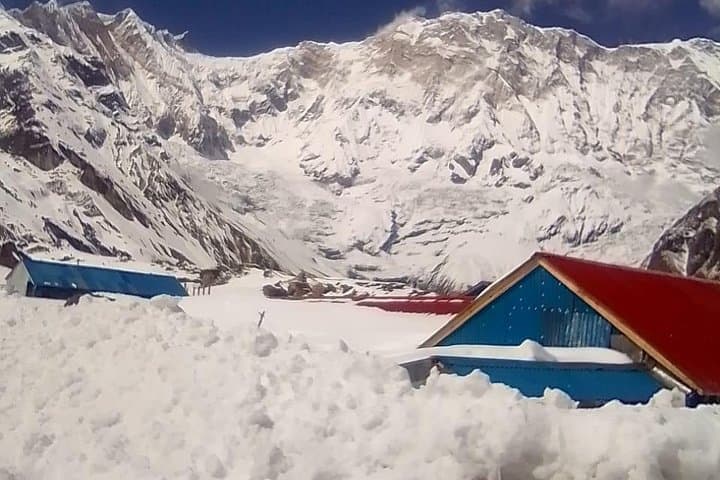
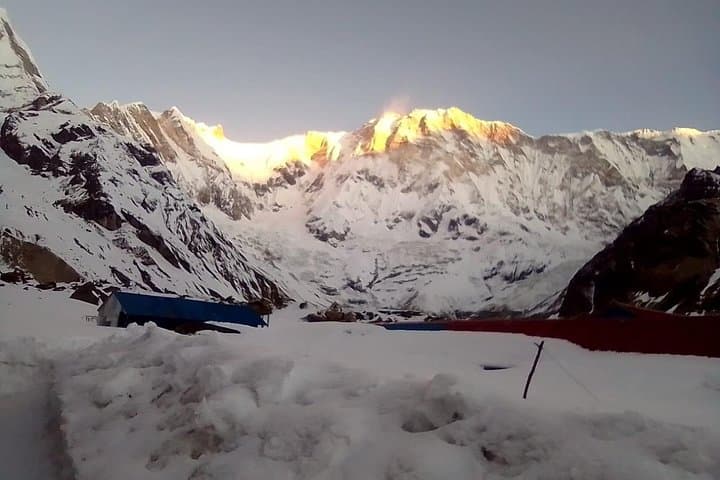
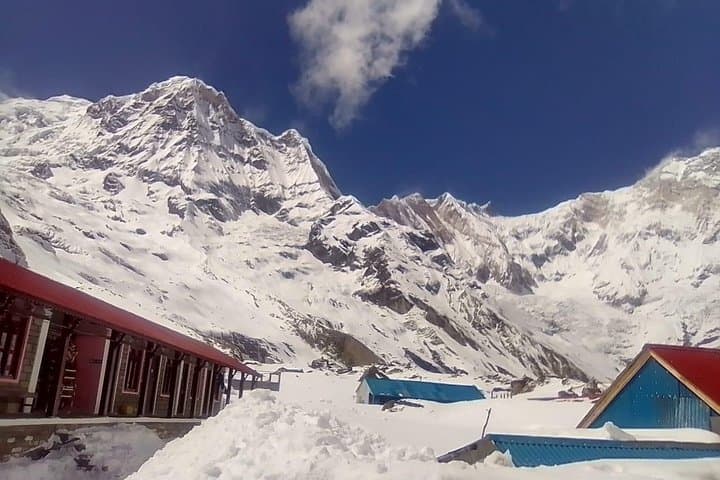
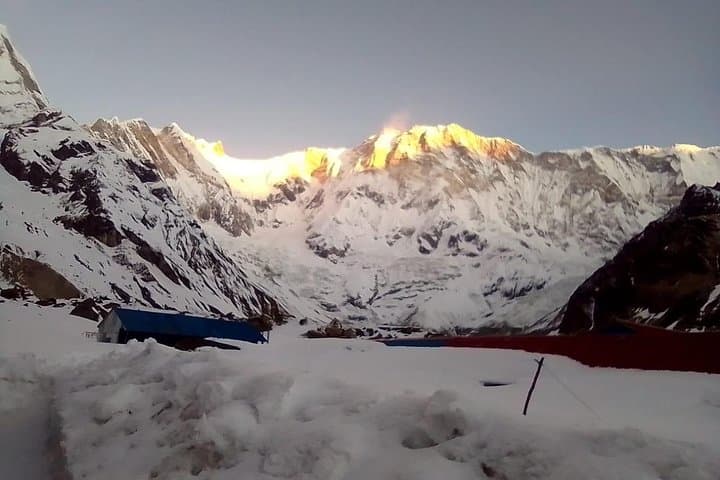
You step off the early tourist bus into Pokhara and the city’s humid breath fades as the trail narrows into stone steps and rhododendron forest. The first days climb through Gurung villages where prayer flags snap like small voices, and each ridge lifts you a little closer to the bowl of Annapurna Base Camp, where snowfields and jagged cornices watch over trekkers.
You step off the early tourist bus into Pokhara and the city’s humid breath fades as the trail narrows into stone steps and rhododendron forest. The first days climb through Gurung villages where prayer flags snap like small voices, and each ridge lifts you a little closer to the bowl of Annapurna Base Camp, where snowfields and jagged cornices watch over trekkers.
The Annapurna region sits on the Asian monsoon’s western edge; glacially carved valleys and steep moraine define the route. Gurung culture shapes the valleys here — villages such as Ghandruk preserve traditional houses, music, and homestay hospitality that have supported traders and trekkers for generations.
Geology is visible beneath your boots: metamorphic schists, layered river terraces, and steep granite faces reveal a landscape still rising. Rivers dare you across suspension bridges; high ridgelines push the air thin and cool.
Practically, expect 9–10 days of walking with a summit-like finish at 4,130 m. Days are a mix of steep stone staircases, forested descents, and open moraines. Teahouse accommodation is basic but reliable; carry cash and a lightweight sleeping bag for added warmth. Acclimatize on rest days and watch for signs of altitude sickness — the best views come after patience, not force.
Best months are spring and autumn for stable weather and clarity. Hydration, layered clothing, and good boots matter more than speed. Guides handle permits and local logistics; your job is steady walking, respecting local customs, and leaving the high country as you found it.