THE ADVENTURE COLLECTIVE® · Independent discovery and booking for outdoor travel

An energetic 60-minute samba class in central Rio that introduces basic steps, rhythm work, and partner drills taught by local instructors. Perfect for first-timers who want an active cultural experience and a direct taste of Rio’s samba roots.
An energetic 60-minute samba class in central Rio that introduces basic steps, rhythm work, and partner drills taught by local instructors. Perfect for first-timers who want an active cultural experience and a direct taste of Rio’s samba roots.
The studio door opens onto a pulse — a quick, bright rhythm that tugs at your shoulders and asks you to move. In a compact room in central Rio, the teacher claps an off-beat and the class answers, feet finding syncopation before full confidence arrives. You feel the city’s heat at the windows and the music pulling you forward.
Verified experiences and guided adventures in the surrounding area.
Operated by RIO PASSEIOS EXPERIENCE · Rio de Janeiro, Rio de Janeiro
The studio door opens onto a pulse — a quick, bright rhythm that tugs at your shoulders and asks you to move. In a compact room in central Rio, the teacher claps an off-beat and the class answers, feet finding syncopation before full confidence arrives. You feel the city’s heat at the windows and the music pulling you forward.
Samba grew from Afro-Brazilian communities in Rio’s port neighborhoods in the early 20th century; its steps carry stories from Estácio and the roda de samba at Pedra do Sal. The style you learn in 60 minutes is a concentrated slice of that living tradition: basic passos, hip and arm coordination, and the pulse of tamborim and surdo that drives each measure. Culturally, classes are as much social as they are technical — expect partner drills, call-and-response instruction, and shared practice time.
Practically, this class is a high-energy, low-barrier introduction. Warm up thoroughly, wear supportive, flexible shoes, and bring water; you’ll be moving continuously and feeling the beat in your core. Arrive 10–15 minutes early to secure a spot and get personalized feedback from the instructor. If you want a deeper dive, time your visit for an evening roda or a samba school rehearsal during Carnival season to see how classroom moves scale up on the street and on the parade float.
Whether you leave with perfect rhythm or just a grin and sweaty shirt, the class hands you a piece of Rio: a music that insists you participate.
easy.
1 hour.
Suitable for most fitness levels; basic coordination and light cardio endurance helpful
No — the class is designed for all levels; instructors break steps down gradually and offer modifications.
No — instructors rotate partners and often pair students during partner drills so everyone practices both leading and following.
Most instructors teach in Portuguese and basic English; many will translate key cues, but bringing a mobile translator or knowing basic dance terms helps.
Full refund is available if you cancel at least 24 hours before the scheduled class; otherwise bookings are non-refundable.
Samba in Rio evolved from Afro-Brazilian rhythms brought by enslaved peoples and developed in port neighborhoods like Estácio and Pedra do Sal during the early 1900s.
Supporting local teachers helps sustain traditional art forms; be mindful of noise in residential areas and minimize single-use plastics when in class or exploring nearby neighborhoods.
RIO PASSEIOS EXPERIENCE operates guided outdoor trips and adventures with an emphasis on safety, stewardship, and memorable experiences.
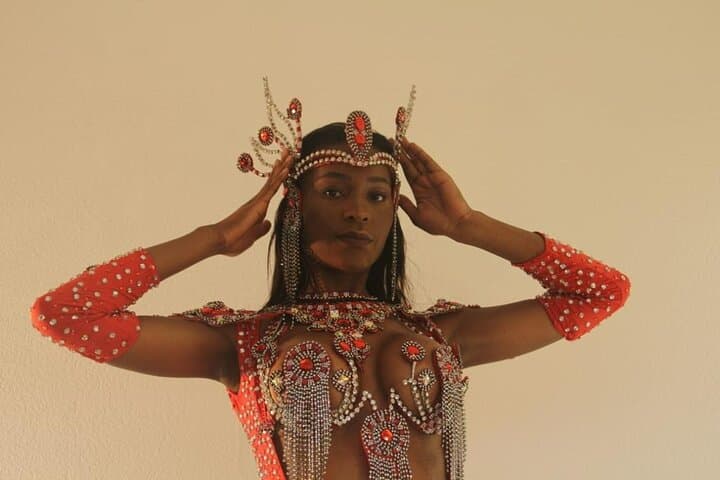
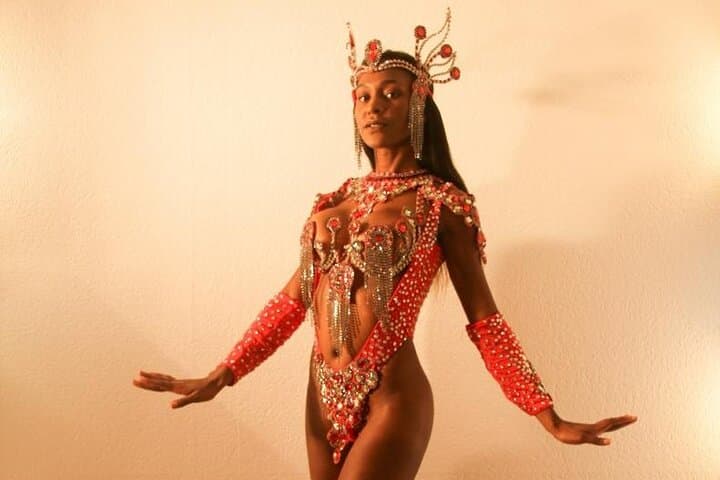
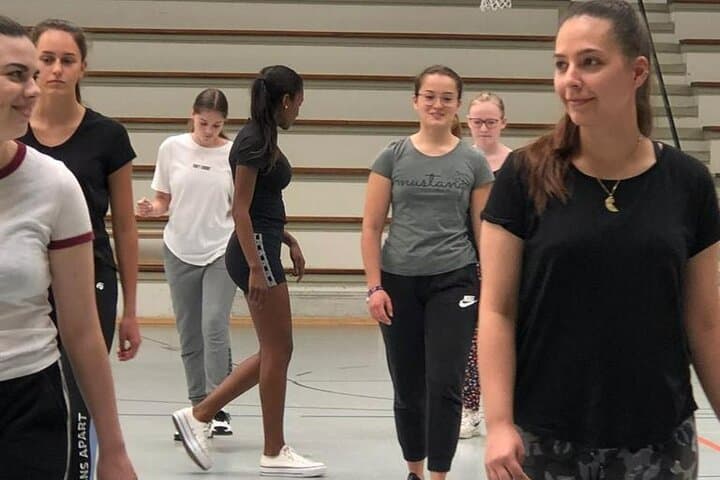
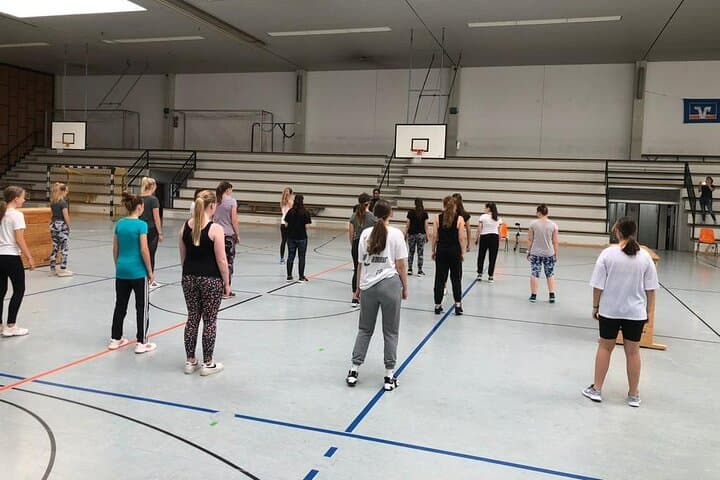
The studio door opens onto a pulse — a quick, bright rhythm that tugs at your shoulders and asks you to move. In a compact room in central Rio, the teacher claps an off-beat and the class answers, feet finding syncopation before full confidence arrives. You feel the city’s heat at the windows and the music pulling you forward.
The studio door opens onto a pulse — a quick, bright rhythm that tugs at your shoulders and asks you to move. In a compact room in central Rio, the teacher claps an off-beat and the class answers, feet finding syncopation before full confidence arrives. You feel the city’s heat at the windows and the music pulling you forward.
Samba grew from Afro-Brazilian communities in Rio’s port neighborhoods in the early 20th century; its steps carry stories from Estácio and the roda de samba at Pedra do Sal. The style you learn in 60 minutes is a concentrated slice of that living tradition: basic passos, hip and arm coordination, and the pulse of tamborim and surdo that drives each measure. Culturally, classes are as much social as they are technical — expect partner drills, call-and-response instruction, and shared practice time.
Practically, this class is a high-energy, low-barrier introduction. Warm up thoroughly, wear supportive, flexible shoes, and bring water; you’ll be moving continuously and feeling the beat in your core. Arrive 10–15 minutes early to secure a spot and get personalized feedback from the instructor. If you want a deeper dive, time your visit for an evening roda or a samba school rehearsal during Carnival season to see how classroom moves scale up on the street and on the parade float.
Whether you leave with perfect rhythm or just a grin and sweaty shirt, the class hands you a piece of Rio: a music that insists you participate.