THE ADVENTURE COLLECTIVE® · Independent discovery and booking for outdoor travel

Head into the Virunga slopes for a full-day gorilla trek from Kigali—an early start, rugged trails, and the chance to spend an hour with mountain gorillas in Volcanoes National Park. This guide covers what to expect, local context, and key tips to prepare.
Head into the Virunga slopes for a full-day gorilla trek from Kigali—an early start, rugged trails, and the chance to spend an hour with mountain gorillas in Volcanoes National Park. This guide covers what to expect, local context, and key tips to prepare.
Before dawn you slide out of Kigali into a pinprick sky, the road climbing into folds of green that earned Rwanda the name "land of a thousand hills." Mist clings to the lower slopes of the Virunga volcanoes and the forest breathes cool and damp; by midmorning you stand at Kinigi, waiting for the briefing and the moment your guide points into the bamboo and the forest answers back.
Verified experiences and guided adventures in the surrounding area.
Operated by Rwanda Travel · Musanze, Northern Province
Before dawn you slide out of Kigali into a pinprick sky, the road climbing into folds of green that earned Rwanda the name "land of a thousand hills." Mist clings to the lower slopes of the Virunga volcanoes and the forest breathes cool and damp; by midmorning you stand at Kinigi, waiting for the briefing and the moment your guide points into the bamboo and the forest answers back.
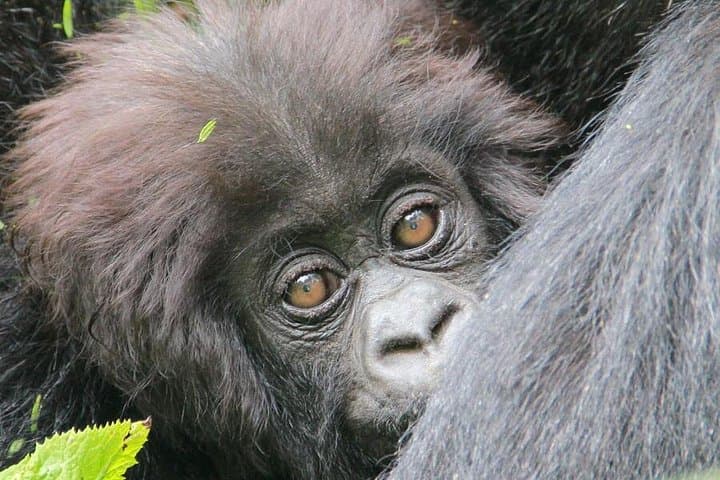
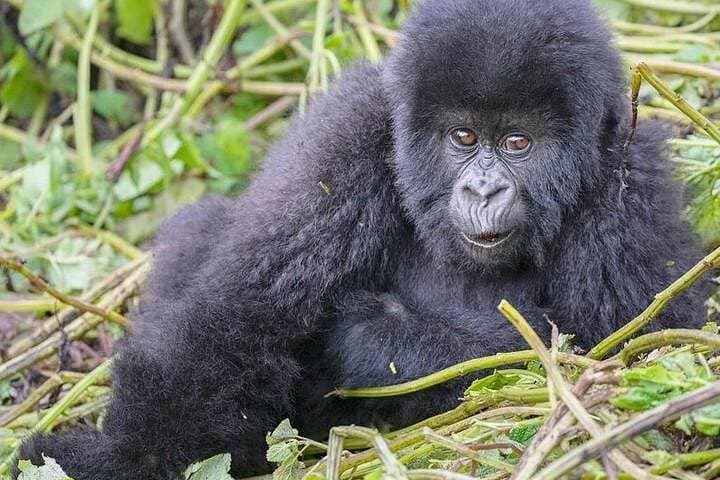
Volcanoes National Park sits on the northern edge of the Virunga volcanic chain, its steep ridges shaped by lava and erosion and home to the last population of mountain gorillas. Conservation here is recent and fierce: Dian Fossey’s work at Karisoke galvanized protection efforts and local communities now play a central role in stewardship. Cultural life in Musanze and nearby villages is layered—smallholder farms, coffee terraces, and strong community tourism initiatives that welcome trekkers.
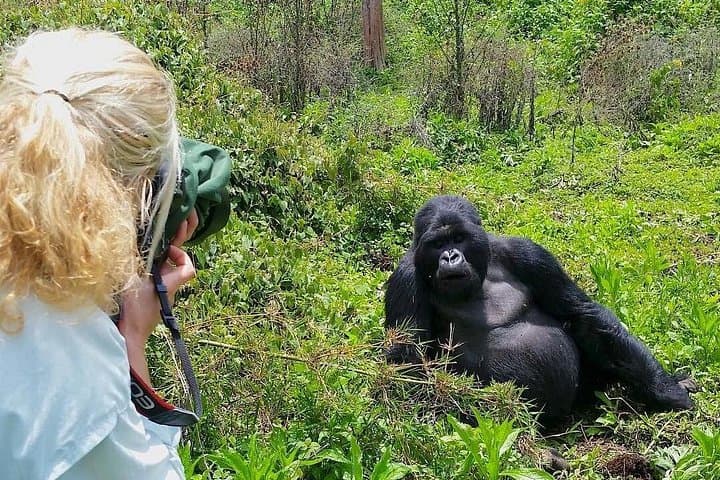
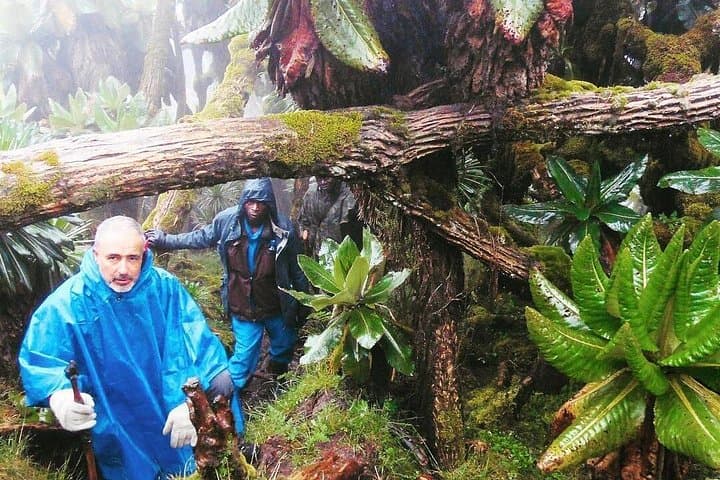
Expect a variable day: permits limit groups and encounters are brief but intimate—gorillas may be close to the trail or require a half-day push through rough, muddy terrain. Practical notes: bring grippy boots, full rain protection, plenty of water, and a camera with no flash. Keep six meters distance, follow your ranger’s instructions, and prepare for steep climbs and slippery descents at altitude (around 2,500–4,500 m). Transfers from Kigali make this a long but highly concentrated wildlife experience—plan for an early start, late return, and one of the most memorable wildlife encounters available anywhere.
moderate.
12–14 hours (door-to-door).
Good cardiovascular fitness and the ability to hike uneven, sometimes steep and muddy terrain for several hours; not recommended for those with serious back or heart conditions.
Yes—gorilla permits are required and limited; book through the Rwanda Development Board or an authorized operator well in advance to secure a date.
Trek lengths vary from minutes to several hours depending on gorilla movements; once found, visitor time with a gorilla group is typically limited to one hour.
Children are allowed but must be accompanied by an adult; pregnant travelers and those with serious cardiovascular or spinal conditions are discouraged due to rough terrain and physical demands.
Rangers enforce distance limits and may require face masks to reduce disease transmission; follow all briefings and do not visit if you have contagious symptoms.
The park gained global attention through Dian Fossey’s conservation work at Karisoke in the 1970s; ongoing community-based programs now link tourism revenue to local livelihoods.
Visitor numbers are strictly limited to reduce stress and disease risk to gorilla groups; follow all park rules, avoid bringing food into the forest, and support local community tourism initiatives.
Rwanda Travel operates guided outdoor trips and adventures with an emphasis on safety, stewardship, and memorable experiences.
Before dawn you slide out of Kigali into a pinprick sky, the road climbing into folds of green that earned Rwanda the name "land of a thousand hills." Mist clings to the lower slopes of the Virunga volcanoes and the forest breathes cool and damp; by midmorning you stand at Kinigi, waiting for the briefing and the moment your guide points into the bamboo and the forest answers back.
Before dawn you slide out of Kigali into a pinprick sky, the road climbing into folds of green that earned Rwanda the name "land of a thousand hills." Mist clings to the lower slopes of the Virunga volcanoes and the forest breathes cool and damp; by midmorning you stand at Kinigi, waiting for the briefing and the moment your guide points into the bamboo and the forest answers back.
Volcanoes National Park sits on the northern edge of the Virunga volcanic chain, its steep ridges shaped by lava and erosion and home to the last population of mountain gorillas. Conservation here is recent and fierce: Dian Fossey’s work at Karisoke galvanized protection efforts and local communities now play a central role in stewardship. Cultural life in Musanze and nearby villages is layered—smallholder farms, coffee terraces, and strong community tourism initiatives that welcome trekkers.
Expect a variable day: permits limit groups and encounters are brief but intimate—gorillas may be close to the trail or require a half-day push through rough, muddy terrain. Practical notes: bring grippy boots, full rain protection, plenty of water, and a camera with no flash. Keep six meters distance, follow your ranger’s instructions, and prepare for steep climbs and slippery descents at altitude (around 2,500–4,500 m). Transfers from Kigali make this a long but highly concentrated wildlife experience—plan for an early start, late return, and one of the most memorable wildlife encounters available anywhere.