THE ADVENTURE COLLECTIVE® · Independent discovery and booking for outdoor travel

Trek original Inca stone steps from Km 104 to the Sun Gate and enter Machu Picchu in a single, intense day from Cusco. This one-day route packs cloud-forest hiking, archaeological highlights, and panoramic payoff into a guided loop with train transfers.
Trek original Inca stone steps from Km 104 to the Sun Gate and enter Machu Picchu in a single, intense day from Cusco. This one-day route packs cloud-forest hiking, archaeological highlights, and panoramic payoff into a guided loop with train transfers.
Before dawn the road out of Cusco slips into shadow and the van hums toward the Sacred Valley. Train windows frame the Urubamba River as it slices through cloud forest; at Km 104 you step onto the original Inca path. Stone steps, often wet with mist, climb through orchids and bromeliads toward Wiñayhuayna, where terraces and temples cling to the mountain face.
Verified experiences and guided adventures in the surrounding area.
Operated by Haku Travel E.I.R.L · Aguas Calientes, Cusco
Before dawn the road out of Cusco slips into shadow and the van hums toward the Sacred Valley. Train windows frame the Urubamba River as it slices through cloud forest; at Km 104 you step onto the original Inca path. Stone steps, often wet with mist, climb through orchids and bromeliads toward Wiñayhuayna, where terraces and temples cling to the mountain face.
This short Inca Trail traverses geological seams of volcanic and sedimentary rock uplifted by Andean orogeny and carved by the Urubamba. The route served as a ceremonial and logistical artery for the Inca, funneling goods and pilgrims to the citadel. Modern guides point out agricultural terraces, water channels and stonework that reveal Incan surveying skill and cosmology.
Expect about 8–10 km of walking with sustained stair climbs, a net elevation gain to roughly 2,730 m at Inti Punku (Sun Gate), and a descent into Machu Picchu at 2,430 m. Cloud forest brings sudden sun, drizzle, and humid warmth—layers and a waterproof shell are practical. Carry a small daypack with water, snacks, passport (required for checkpoint), and camera; luggage stays in Cusco.
Timing matters: early starts beat crowds at Wiñayhuayna and secure the best view from the Sun Gate; also allow time for the guided circuit through the citadel. Acclimatize in Cusco for 2–3 days if possible to reduce altitude effects. The day ends with a train back to Ollantaytambo and a drive to Cusco—long, full, and physically demanding, but concentrated into a single, unforgettable loop from Andean highland to Inca masterpiece.
challenging.
12–13 hours.
Good cardiovascular fitness and strong legs recommended; comfortable with sustained stair climbs and altitude.
Yes—entry and train tickets are controlled; the tour includes Inca Trail and Machu Picchu permits, but you must carry your passport for verification at checkpoints.
The 1-day route is shorter but intense: steep stone stair sections and altitude make it physically demanding though logistically simpler than the multi-day hike.
Symptoms vary; resting for 2–3 days in Cusco, staying hydrated, and ascending slowly helps. Guides carry basic first aid and oxygen but seek medical help for severe symptoms.
No—large luggage stays in Cusco; you carry a daypack only. The tour includes secure luggage storage and transfers.
The path follows original Inca stone roads that connected agricultural estates and ceremonial sites to Machu Picchu, reflecting advanced stonework and water engineering.
Access is permit-controlled to limit impact; stick to trails, avoid feeding wildlife, and carry out all waste to protect fragile cloud-forest ecosystems.
Haku Travel E.I.R.L operates guided outdoor trips and adventures with an emphasis on safety, stewardship, and memorable experiences.
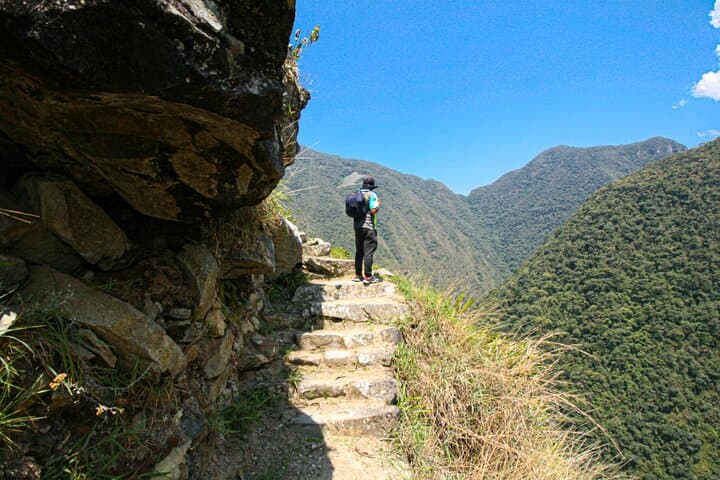
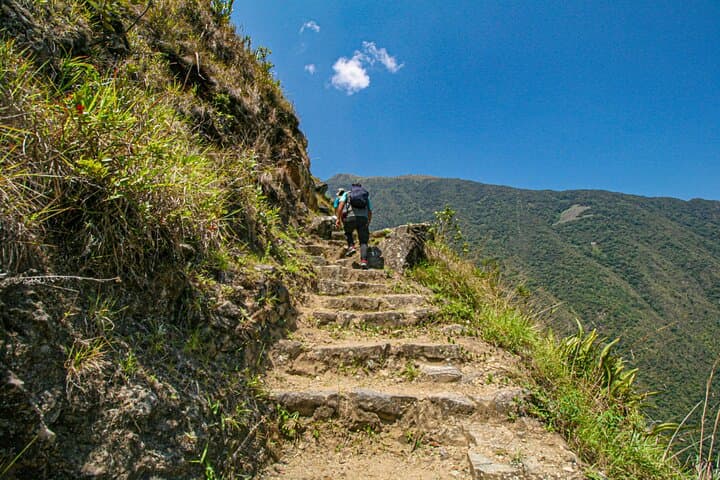
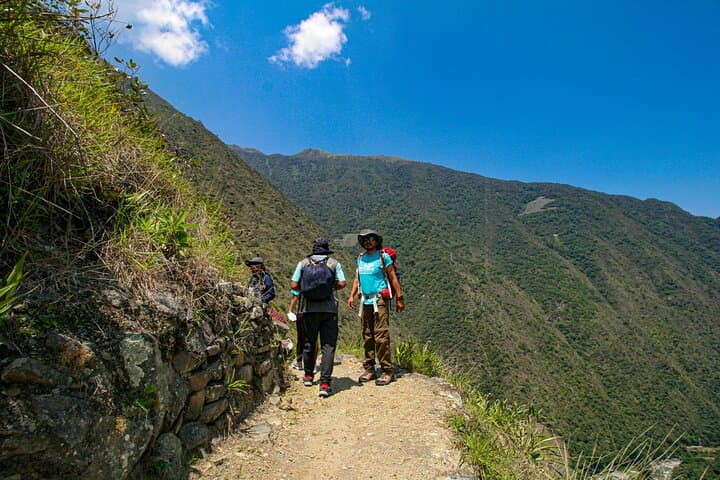
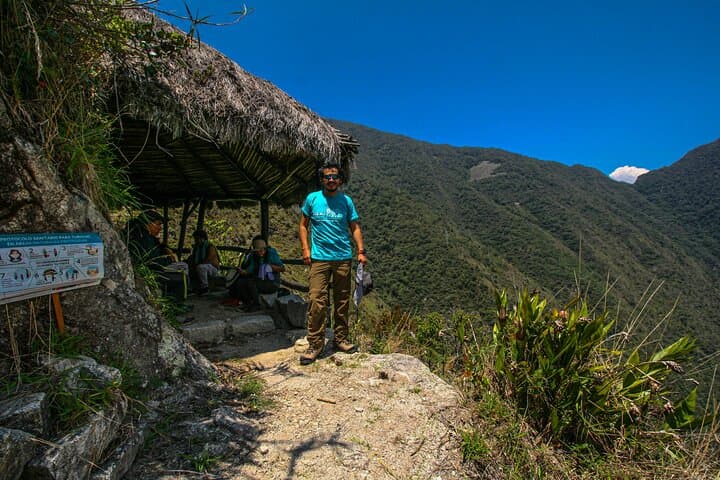
Before dawn the road out of Cusco slips into shadow and the van hums toward the Sacred Valley. Train windows frame the Urubamba River as it slices through cloud forest; at Km 104 you step onto the original Inca path. Stone steps, often wet with mist, climb through orchids and bromeliads toward Wiñayhuayna, where terraces and temples cling to the mountain face.
Before dawn the road out of Cusco slips into shadow and the van hums toward the Sacred Valley. Train windows frame the Urubamba River as it slices through cloud forest; at Km 104 you step onto the original Inca path. Stone steps, often wet with mist, climb through orchids and bromeliads toward Wiñayhuayna, where terraces and temples cling to the mountain face.
This short Inca Trail traverses geological seams of volcanic and sedimentary rock uplifted by Andean orogeny and carved by the Urubamba. The route served as a ceremonial and logistical artery for the Inca, funneling goods and pilgrims to the citadel. Modern guides point out agricultural terraces, water channels and stonework that reveal Incan surveying skill and cosmology.
Expect about 8–10 km of walking with sustained stair climbs, a net elevation gain to roughly 2,730 m at Inti Punku (Sun Gate), and a descent into Machu Picchu at 2,430 m. Cloud forest brings sudden sun, drizzle, and humid warmth—layers and a waterproof shell are practical. Carry a small daypack with water, snacks, passport (required for checkpoint), and camera; luggage stays in Cusco.
Timing matters: early starts beat crowds at Wiñayhuayna and secure the best view from the Sun Gate; also allow time for the guided circuit through the citadel. Acclimatize in Cusco for 2–3 days if possible to reduce altitude effects. The day ends with a train back to Ollantaytambo and a drive to Cusco—long, full, and physically demanding, but concentrated into a single, unforgettable loop from Andean highland to Inca masterpiece.