THE ADVENTURE COLLECTIVE® · Independent discovery and booking for outdoor travel

Make Machu Picchu reachable in a single, intense day: a 9 km hike on the classic Inca Trail leads from cloud forest through Chachabamba and Wiñay Wayna to the Sun Gate and a first, unforgettable view of the citadel. This guide covers what to expect and how to prepare.
Make Machu Picchu reachable in a single, intense day: a 9 km hike on the classic Inca Trail leads from cloud forest through Chachabamba and Wiñay Wayna to the Sun Gate and a first, unforgettable view of the citadel. This guide covers what to expect and how to prepare.
A morning departure from Cusco becomes a timed pulse: minibuses carry hikers down Andean switchbacks, the air thinning then easing as the route drops toward the Urubamba valley. By midmorning the trail opens into cloud-touched forest; the path tightens, stones underfoot and waterfalls daring you forward. At Puerta del Sol the citadel appears—a sudden, earned panorama of terraces and temple walls—offering the first true view of Machu Picchu.
Verified experiences and guided adventures in the surrounding area.
Operated by tripscape · Aguas Calientes, Cusco
A morning departure from Cusco becomes a timed pulse: minibuses carry hikers down Andean switchbacks, the air thinning then easing as the route drops toward the Urubamba valley. By midmorning the trail opens into cloud-touched forest; the path tightens, stones underfoot and waterfalls daring you forward. At Puerta del Sol the citadel appears—a sudden, earned panorama of terraces and temple walls—offering the first true view of Machu Picchu.
The one-day Inca Trail follows routes first laid by Inca engineers, passing Chachabamba's water channels and Wiñay Wayna's steep agricultural platforms. Geologically the corridor traces river-carved canyons and volcanic-ish rock shaped by tectonic lift; culturally it’s a pilgrimage route, threaded with ritual sites and agricultural ingenuity.
Expect a focused, archaeological day: 9 km of trail with uneven stone steps, stair-like terraces, and a steady ascent to Inti Punku (Sun Gate). Guides highlight local flora—orchids and polylepis—and birds that animate the cloud forest.
Practical guidance: acclimatize in Cusco for 24–48 hours before the trek to reduce altitude effects—Cusco sits near 3,400 m while Machu Picchu is ~2,430 m. Wear stiff-soled hiking boots, carry a waterproof shell and 1–2 liters of water, and pack layers for rapid temperature swings. The itinerary typically includes train return (Expedition or The Voyager), a boxed lunch, and required permits; expect a full 10–12 hour day from hotel pickup to drop-off. Move deliberately on stone steps, keep to marked routes to protect fragile ruins, and arrive early at the Sun Gate for the clearest light and best crowd spacing.
moderate.
10–12 hours.
Good aerobic fitness; able to hike 9 km with sustained climbs and many stone steps; prior hiking experience recommended.
The trail is moderate: about 9 km with steep stone stair sections and short ascents; it requires good fitness but no technical climbing.
Yes—the tour includes the Inca Trail permit and Machu Picchu entrance; permits are controlled and should be secured in advance by the operator.
Possibly—Cusco is much higher than Machu Picchu; acclimatize with rest days, hydrate, and avoid alcohol before the trek.
The standard itinerary uses return trains (Expedition or The Voyager) from Aguas Calientes and minivan/bus transfers back to Cusco as arranged by the tour operator.
The Inca Trail is part of a vast network of royal and ritual roads built by the Inca to connect administrative centers and sacred sites like Machu Picchu, used for ceremonies and movement of people and goods.
Visitor numbers are regulated and trail permits are limited to reduce wear; stay on marked paths and pack out trash to protect fragile soils and archaeological features.
tripscape operates guided outdoor trips and adventures with an emphasis on safety, stewardship, and memorable experiences.
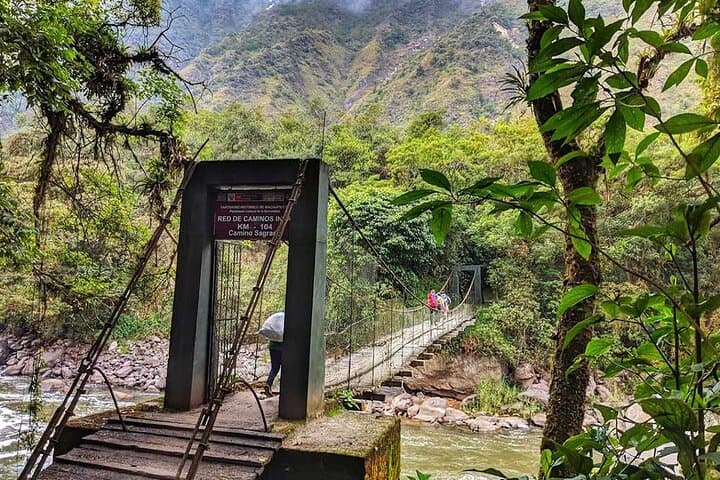
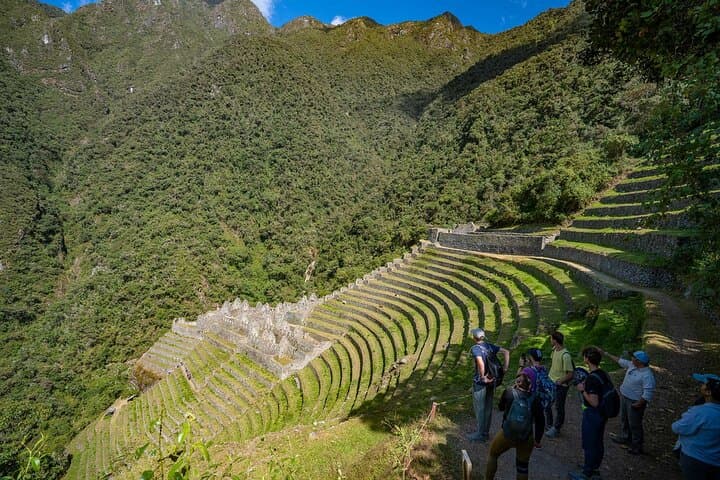
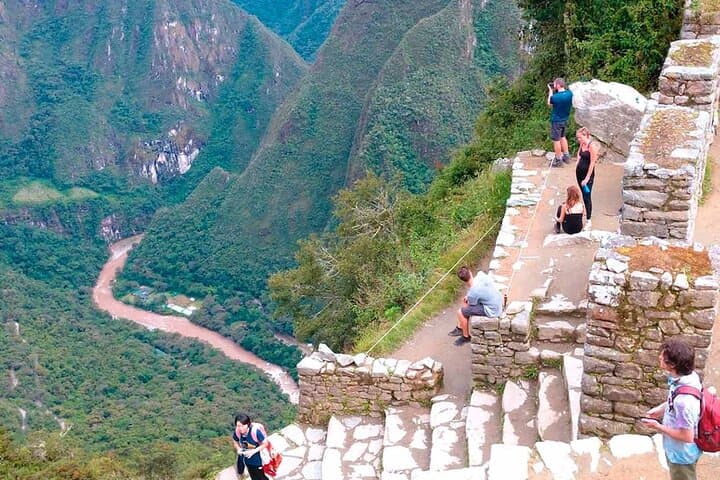
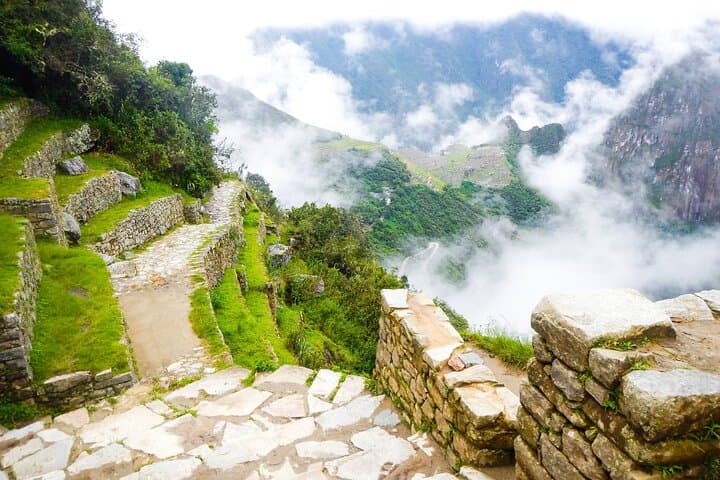
A morning departure from Cusco becomes a timed pulse: minibuses carry hikers down Andean switchbacks, the air thinning then easing as the route drops toward the Urubamba valley. By midmorning the trail opens into cloud-touched forest; the path tightens, stones underfoot and waterfalls daring you forward. At Puerta del Sol the citadel appears—a sudden, earned panorama of terraces and temple walls—offering the first true view of Machu Picchu.
A morning departure from Cusco becomes a timed pulse: minibuses carry hikers down Andean switchbacks, the air thinning then easing as the route drops toward the Urubamba valley. By midmorning the trail opens into cloud-touched forest; the path tightens, stones underfoot and waterfalls daring you forward. At Puerta del Sol the citadel appears—a sudden, earned panorama of terraces and temple walls—offering the first true view of Machu Picchu.
The one-day Inca Trail follows routes first laid by Inca engineers, passing Chachabamba's water channels and Wiñay Wayna's steep agricultural platforms. Geologically the corridor traces river-carved canyons and volcanic-ish rock shaped by tectonic lift; culturally it’s a pilgrimage route, threaded with ritual sites and agricultural ingenuity.
Expect a focused, archaeological day: 9 km of trail with uneven stone steps, stair-like terraces, and a steady ascent to Inti Punku (Sun Gate). Guides highlight local flora—orchids and polylepis—and birds that animate the cloud forest.
Practical guidance: acclimatize in Cusco for 24–48 hours before the trek to reduce altitude effects—Cusco sits near 3,400 m while Machu Picchu is ~2,430 m. Wear stiff-soled hiking boots, carry a waterproof shell and 1–2 liters of water, and pack layers for rapid temperature swings. The itinerary typically includes train return (Expedition or The Voyager), a boxed lunch, and required permits; expect a full 10–12 hour day from hotel pickup to drop-off. Move deliberately on stone steps, keep to marked routes to protect fragile ruins, and arrive early at the Sun Gate for the clearest light and best crowd spacing.