THE ADVENTURE COLLECTIVE® · Independent discovery and booking for outdoor travel

Spend a long day traveling from Kigali into southwestern Uganda for a guided gorilla trek in Mgahinga National Park. Expect steep, muddy trails through high-altitude rainforest, strict park rules, and a 1–2 hour search that can reward you with close encounters with mountain gorillas.
Spend a long day traveling from Kigali into southwestern Uganda for a guided gorilla trek in Mgahinga National Park. Expect steep, muddy trails through high-altitude rainforest, strict park rules, and a 1–2 hour search that can reward you with close encounters with mountain gorillas.
Dawn breaks over the Virunga slopes and a band of travelers gathers for the long drive northwest from Kigali, headlights cutting a path through mist. By midmorning the land tightens: steep terraces, wet forest, and the low grumble of volcanic ridges that seem to push the clouds aside. Guides sort permits, check boots, and you cross the border into Uganda for the single-day pursuit that could put you face-to-face with a mountain gorilla family.
Verified experiences and guided adventures in the surrounding area.
Operated by Staywild Safaris · Kisoro, Kisoro District
Dawn breaks over the Virunga slopes and a band of travelers gathers for the long drive northwest from Kigali, headlights cutting a path through mist. By midmorning the land tightens: steep terraces, wet forest, and the low grumble of volcanic ridges that seem to push the clouds aside. Guides sort permits, check boots, and you cross the border into Uganda for the single-day pursuit that could put you face-to-face with a mountain gorilla family.
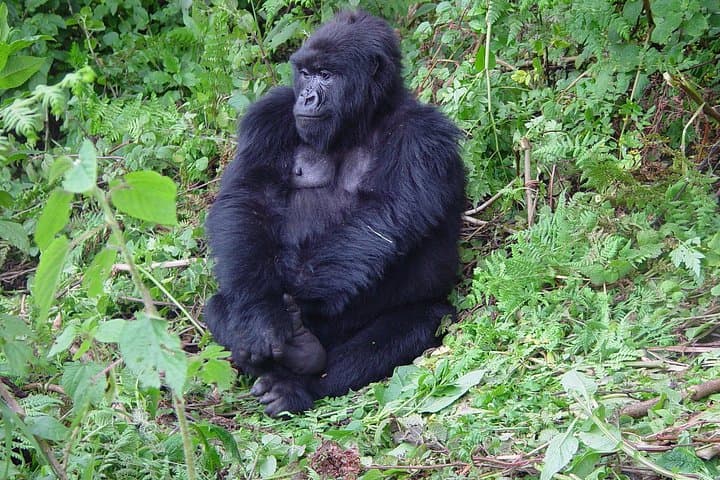
Mgahinga’s ancient volcanic peaks are part of the Virunga range, a chain of basalt and ash that formed over millennia and now supports high-altitude rainforest and bamboo zones. The local Batwa people lived here for generations; today gorilla tourism contributes fees that fund park protection and community projects. Expect narrow, often muddy trails, bamboo thickets that rustle like living curtains, and forest clearings where sunlight finds the gorillas.
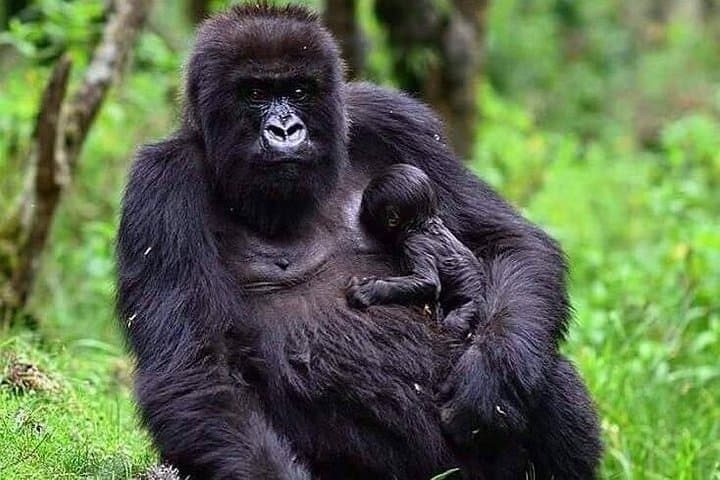
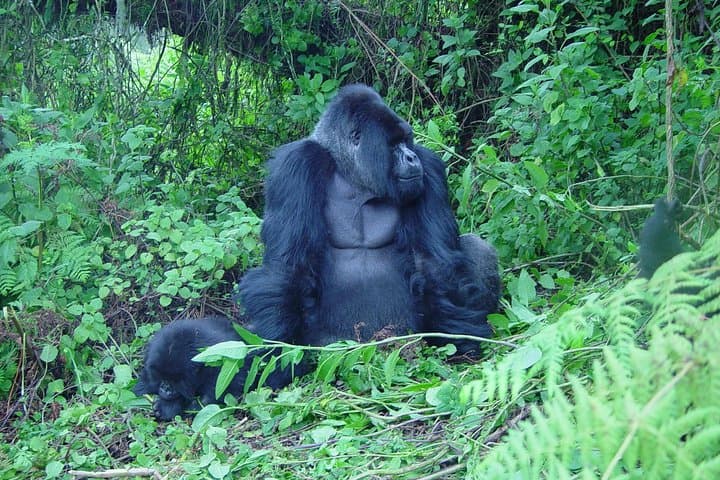
Practical guidance: the trek itself usually takes 1–2 hours at altitude (roughly 2,200–2,800 m) with up to several hundred meters of ascent and short steep sections. Bring a rainproof layer, stout ankle-supporting boots, gaiters, and a camera with a mid-range zoom. Park rules are strict — maintain distance, avoid coughing or sneezing near gorillas, and follow your guide’s instructions. The full trip from Kigali, including border formalities and return, runs about 6–9 hours; early pickup is standard. Hydrate, pace your breathing on uphill sections, and carry identification and your printed permit. When you finally watch a silverback lift his head, the forest holds its breath — and you’ll know why people come for a single day to meet something that changes how they see wildness.
moderate.
6–9 hours.
Moderate cardiovascular fitness; comfortable walking on uneven terrain and short steep climbs at altitude.
Yes—gorilla permits are required in advance and are checked at the park; book early as permits are limited.
Trekking time varies but typically lasts 1–2 hours; rare families can take longer to locate depending on gorilla movement and terrain.
Shorter treks can be suitable for many ages, but steep and muddy terrain makes the experience challenging for those with mobility limitations; check operator advice before booking.
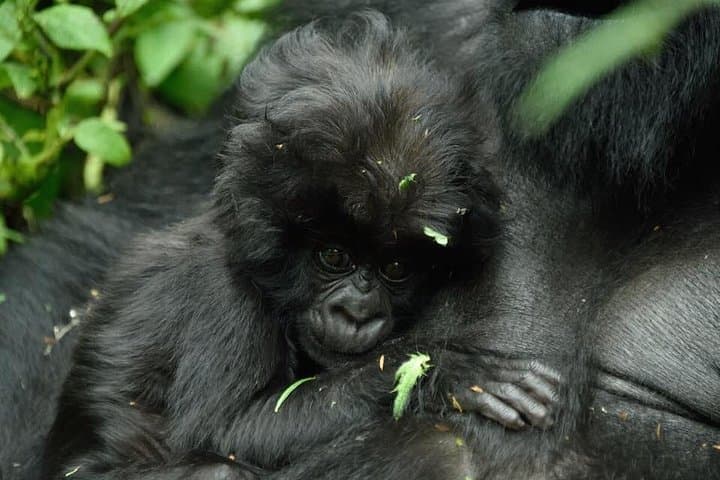
Photography is allowed but maintain mandated distance (about 7 meters), avoid flash, and follow your guide’s instructions to minimize stress on the gorillas.
The Virunga volcanic chain shaped the region’s highland rainforest; the area’s Batwa inhabitants have deep cultural ties to the forest and are engaged in community tourism initiatives.
Gorilla trekking fees fund anti-poaching patrols and local development; follow health protocols and stay the required distance to reduce disease transmission.
Staywild Safaris operates guided outdoor trips and adventures with an emphasis on safety, stewardship, and memorable experiences.
Dawn breaks over the Virunga slopes and a band of travelers gathers for the long drive northwest from Kigali, headlights cutting a path through mist. By midmorning the land tightens: steep terraces, wet forest, and the low grumble of volcanic ridges that seem to push the clouds aside. Guides sort permits, check boots, and you cross the border into Uganda for the single-day pursuit that could put you face-to-face with a mountain gorilla family.
Dawn breaks over the Virunga slopes and a band of travelers gathers for the long drive northwest from Kigali, headlights cutting a path through mist. By midmorning the land tightens: steep terraces, wet forest, and the low grumble of volcanic ridges that seem to push the clouds aside. Guides sort permits, check boots, and you cross the border into Uganda for the single-day pursuit that could put you face-to-face with a mountain gorilla family.
Mgahinga’s ancient volcanic peaks are part of the Virunga range, a chain of basalt and ash that formed over millennia and now supports high-altitude rainforest and bamboo zones. The local Batwa people lived here for generations; today gorilla tourism contributes fees that fund park protection and community projects. Expect narrow, often muddy trails, bamboo thickets that rustle like living curtains, and forest clearings where sunlight finds the gorillas.
Practical guidance: the trek itself usually takes 1–2 hours at altitude (roughly 2,200–2,800 m) with up to several hundred meters of ascent and short steep sections. Bring a rainproof layer, stout ankle-supporting boots, gaiters, and a camera with a mid-range zoom. Park rules are strict — maintain distance, avoid coughing or sneezing near gorillas, and follow your guide’s instructions. The full trip from Kigali, including border formalities and return, runs about 6–9 hours; early pickup is standard. Hydrate, pace your breathing on uphill sections, and carry identification and your printed permit. When you finally watch a silverback lift his head, the forest holds its breath — and you’ll know why people come for a single day to meet something that changes how they see wildness.