THE ADVENTURE COLLECTIVE® · Independent discovery and booking for outdoor travel

A focused, beginner-friendly surf lesson tailored for kids on the Cantabrian coast. Expect patient instructors, foam boards, and two hours of hands-on coaching in family-friendly beach breaks.
A focused, beginner-friendly surf lesson tailored for kids on the Cantabrian coast. Expect patient instructors, foam boards, and two hours of hands-on coaching in family-friendly beach breaks.
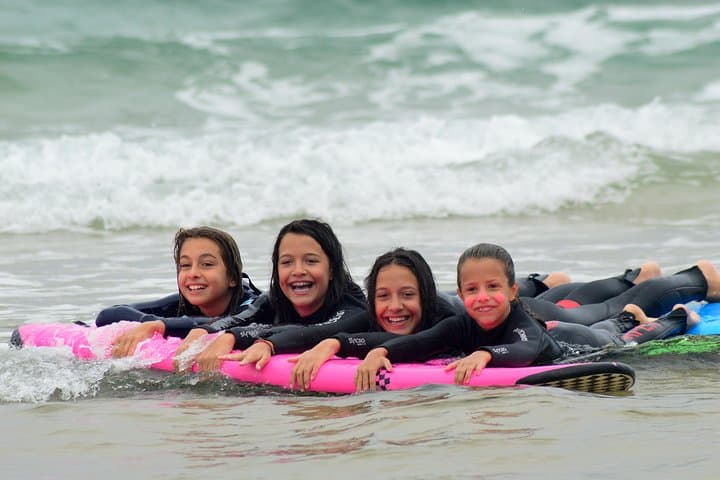
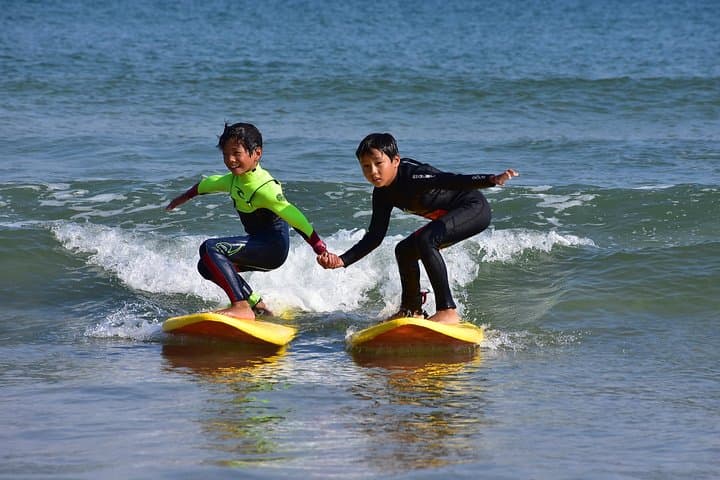
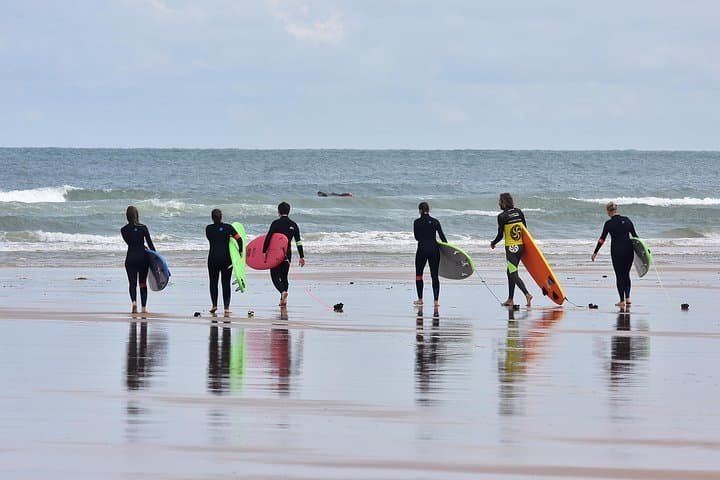
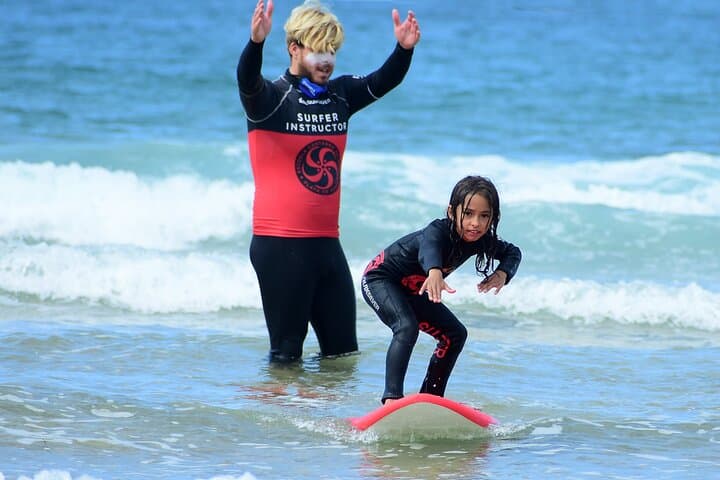
A low, cool wind pushes salt through the air as small riders shuffle into waist-deep water, boards underarm and instructors guiding hands on foam. The Cantabrian surf school scene feels deliberate: patient coaching, quick demonstrations, and the occasional cheer when a child stands and rides a shoulder-high wave toward the sand. Waves here dare you to try again—gentle enough for beginners, lively enough to teach timing.
Verified experiences and guided adventures in the surrounding area.
Operated by Escuela Cántabra de Surf · Somo, Cantabria
A low, cool wind pushes salt through the air as small riders shuffle into waist-deep water, boards underarm and instructors guiding hands on foam. The Cantabrian surf school scene feels deliberate: patient coaching, quick demonstrations, and the occasional cheer when a child stands and rides a shoulder-high wave toward the sand. Waves here dare you to try again—gentle enough for beginners, lively enough to teach timing.
The lesson sits on the northern edge of Spain’s Bay of Biscay, where steep coastal geology and shelf currents shape consistent beach breaks. Surfing in Cantabria has grown from local fishermen using boards for transit into a family-friendly sport; the school operating here was founded in 1991 and is among Spain’s earliest organized surf programs. Nearby towns keep a maritime culture—seafood kiosks, ferries crossing the bay, and an easygoing pace that softens the learning curve for kids.
Expect a two-hour group session with instructor-led warm-up, in-water practice, and guided standing attempts. Equipment—foam or soft-top boards and neoprene suits—is provided, and instructors carry insurance and safety protocols for children. Water temperatures are cool year-round; a properly sized wetsuit matters as much as patience. Lessons accommodate varying ages and skill levels but require basic comfort in shallow water and the ability to follow directions.
Practical notes: arrive 20–30 minutes early to get sized and briefed, avoid low-tide rips, and plan lessons for morning hours when winds tend to be lighter. Parents should pack extra layers, sun protection, and a change of clothes; the reward is a confident first ride and a day on a coastline that keeps calling learners back.
easy.
2 hours.
Suitable for children comfortable in shallow water; basic swimming confidence recommended.
Courses are designed for children and typically accept young learners; confirm age bands at booking, as the operator asks for age information.
Yes—participants should be comfortable in shallow water and able to keep their head above water; full competitive swim skills are not required but basic water confidence is essential.
Yes—soft-top beginner boards and neoprene suits are included, along with instructor guidance and liability coverage.
Full refund if canceled at least 24 hours before the scheduled lesson; bookings may be canceled for bad weather or low enrollment per the operator’s policy.
The Cantabrian coast has a long maritime tradition; organized surf instruction in the area dates to the early 1990s when schools formalized techniques for coastal breaks.
Busy beaches are managed with seasonal lifeguards and local rules; follow leave-no-trace and avoid trampling dunes to reduce erosion and protect nesting birds.
Escuela Cántabra de Surf operates guided outdoor trips and adventures with an emphasis on safety, stewardship, and memorable experiences.
A low, cool wind pushes salt through the air as small riders shuffle into waist-deep water, boards underarm and instructors guiding hands on foam. The Cantabrian surf school scene feels deliberate: patient coaching, quick demonstrations, and the occasional cheer when a child stands and rides a shoulder-high wave toward the sand. Waves here dare you to try again—gentle enough for beginners, lively enough to teach timing.
A low, cool wind pushes salt through the air as small riders shuffle into waist-deep water, boards underarm and instructors guiding hands on foam. The Cantabrian surf school scene feels deliberate: patient coaching, quick demonstrations, and the occasional cheer when a child stands and rides a shoulder-high wave toward the sand. Waves here dare you to try again—gentle enough for beginners, lively enough to teach timing.
The lesson sits on the northern edge of Spain’s Bay of Biscay, where steep coastal geology and shelf currents shape consistent beach breaks. Surfing in Cantabria has grown from local fishermen using boards for transit into a family-friendly sport; the school operating here was founded in 1991 and is among Spain’s earliest organized surf programs. Nearby towns keep a maritime culture—seafood kiosks, ferries crossing the bay, and an easygoing pace that softens the learning curve for kids.
Expect a two-hour group session with instructor-led warm-up, in-water practice, and guided standing attempts. Equipment—foam or soft-top boards and neoprene suits—is provided, and instructors carry insurance and safety protocols for children. Water temperatures are cool year-round; a properly sized wetsuit matters as much as patience. Lessons accommodate varying ages and skill levels but require basic comfort in shallow water and the ability to follow directions.
Practical notes: arrive 20–30 minutes early to get sized and briefed, avoid low-tide rips, and plan lessons for morning hours when winds tend to be lighter. Parents should pack extra layers, sun protection, and a change of clothes; the reward is a confident first ride and a day on a coastline that keeps calling learners back.