
What the day feels like
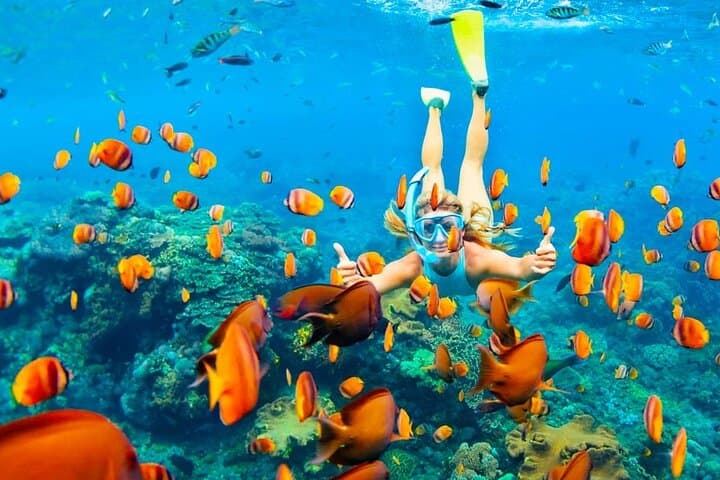
You step aboard a vessel that promises the thrill of a dive without getting your hair wet. The Hurghada marina hums behind you—sunlight fractured across the water, the distant chatter of vendors and the bray of a boat horn—and the semi‑submarine settles into a gentle roll. Through a row of panoramic portholes, the Red Sea’s coral gardens unfold like a living cathedral: branching staghorn, bulbous brain coral, and swaying fans that seem to breathe with the current. Parrotfish and tangs patrol the walls while an occasional green turtle glides past with the deliberateness of a seasoned traveler.
This is an accessible kind of wonder. The semi‑submarine is designed for people who want to witness the Red Sea’s underwater drama—families with small children, travelers who can’t or don’t want to snorkel, and anyone curious about life beneath the surface. In roughly three hours you’ll cruise reefscapes that took millennia to form, narrated by guides who point out symbiotic relationships, reef resilience, and the quirks of this storied sea.
Geology and history are part of the show. The Red Sea is a rift basin, the product of tectonic plates pulling apart as the Arabian Plate diverged from Africa. The result: deep basins, narrow shelves, and coral communities adapted to higher salinity and warmer water than most tropical reefs. Hurghada itself, once a modest fishing village on Egypt’s Red Sea coast, transformed into an international resort hub starting in the 1980s. Resorts, dive centers, and marinas now fan out along the shoreline from El Gouna to Makadi Bay, turning old trading routes into touristic arteries. Bedouin heritage still threads through the region—local guides and coastal communities maintain traditions and livelihoods that coexist with tourism.
Culture here is coastal and relaxed. The crew will often narrate with a local accent, mixing marine biology with practical tips: where fishermen still mend nets, which coves are spawning grounds, and where boats must anchor carefully to avoid damaging coral. That human element—fisherfolk, instructors, and marine guides—helps frame the reef not as an aquarium attraction but as a living, local ecosystem that people depend on and protect.
Practicalities matter. The tour runs about three hours, with departures from Hurghada and nearby hubs like Safaga, Soma Bay, Makadi, and El Gouna. Prices advertised online start very low (promotions can push them below ten dollars), but expect variable add‑ons and seasonal pricing—check the current fare before booking. The semi‑submarine cabin is partially climate‑controlled; windows are large but can reflect midday glare, so the best lighting is often morning or late afternoon. If you’re prone to motion sickness, a small dose of over‑the‑counter medication before boarding can make a big difference, though the vessel’s low center of gravity usually keeps motion gentle.
Why do this instead of snorkeling or diving? The semi‑submarine is uniquely inclusive. You’ll be eye‑level with large schools of fusiliers and surgeonfish without needing to swim. It’s also great for photographers who prefer the stability of a dry platform. The downside: you’ll miss the tactile intimacy of being in the water—no currents tugging at your fins or the smell of salt and sunscreen up close. But the tradeoff is the ability to witness reef topography and fish behavior from a different perspective, and to absorb commentary from guides who can point out species that are easy to overlook when you’re bobbing in a mask.
Sustainability is part of the tour’s conversation. The Red Sea’s reefs are resilient but vulnerable; coral bleaching events and anchor damage are real threats. Opt for operators who practice responsible anchoring, brief passengers on not tapping the glass or feeding fish, and support local conservation initiatives when possible. Small choices—using reef‑safe sunscreen before you board, following crew instructions, and choosing tours that employ local guides—add up.
If you go: arrive at the marina at least 20 minutes early to claim a window seat; early departures usually mean calmer seas and softer light for viewing. Bring a camera with a fast wide lens and a microfiber cloth for the occasional smudge on the glass. Dress in layers—sun is strong on deck but the cabin can feel cool. And if you’re traveling with kids, the semi‑submarine gives them the drama of a submarine tale without the logistics of snorkeling gear.
The semi‑submarine tour is not a substitute for a full dive, but it’s a gateway. For many visitors it becomes a stepping stone: after a dry dive through the reefs, people book a snorkeling trip or enroll in a discover scuba session. It’s also an immediate, low‑commitment way to experience one of the planet’s iconic seas—its history written in living stone and its future tied to the choices of visitors and locals alike.
In the end, the boat docks and the world above water snaps back into focus: cafes, fishermen, and the architecture of a resort town. But the images stay with you—the silent fan corals, the sideways stare of a grouper, the choreography of a fish school moving like a single creature. The semi‑submarine hands you a window into a fragile, ancient world; how you look through it and what you do afterward is part of the adventure.
Trail wisdom
Small choices, better day.
Book morning departures
Calmer seas and clearer light in the morning improve visibility through the windows.
Window seats matter
Arrive early to secure a seat next to a panoramic porthole for unobstructed views.
Bring a camera cloth
Wipe smudges from the glass for better photos—cleaning supplies aren’t always provided.
Consider motion medicine
If you’re prone to seasickness, a preventative dose can keep the experience comfortable.
Local knowledge
Read the place, not just the route.
Watch for native species including Parrotfish, Green sea turtle.
Keep an eye out for wildlife during the transition between areas and habitats. Respect distance guidelines.
The Red Sea reefs are biologically rich but vulnerable; choose operators who avoid reef anchoring and support local marine conservation efforts.
Follow the guide's instructions on size limits, ethical handling, and leave-no-trace practices.
Giftun Island reefs—reachable by day trips from Hurghada. El Gouna’s quieter lagoons and marina walk
Locally recommended viewpoints and quiet spots known best to local operators.
Hurghada evolved from a 20th‑century fishing village into a major Red Sea resort corridor, expanding rapidly from the 1980s onward.
Maritime roots and regional tradition shape the waterways and working coasts.
Seasonal guide
Four versions of the same landscape.
Spring
Best formoderate sea conditions · good visibility · family outings
Challengesoccasional wind · variable temperatures
Spring brings pleasant air temperatures and generally stable seas; visibility is usually good for reef viewing.
Summer
Best forwarm water · long daylight hours · school holidays
Challengeshigh heat on deck · strong sun · crowded marinas
Summer offers warm, sunny days ideal for boat time but expect stronger glare and higher passenger volume.
Fall
Best forcalmer seas · excellent visibility · wildlife spotting
Challengesseasonal weather shifts in late fall
Fall is often a sweet spot—sea conditions calm and water clarity high, making reefs especially vivid.
Winter
Best formild climate · off‑peak travel · crisp underwater light
Challengescooler mornings on deck · shorter daylight
Mild Egyptian winters make for comfortable tours and fewer crowds, though bring a light jacket for wind.
Operator details
What the booking data adds.
Included
- ✓Diver show
- ✓Soda/Pop
- ✓Bottled water
- ✓Snorkeling guide
- ✓Around transfer from your hotel in hurghada city
- ✓Use of Snorkelling equipment
- ✓Air-conditioned vehicle
Not included
- —Government Fees
Good to know
- ✓Infants are required to sit on an adult’s lap
- ✓Suitable for all physical fitness levels
Pack with intention
What to bring.
Good to know
Common questions.
Yes—it's family‑friendly and a great way for kids to see marine life without snorkeling; check age policies with the operator.
Plan the edges
The details that make the day easier.
The Red Sea hosts over 1,200 species of fish, with roughly 10% endemic to the basin—making it one of the world’s most unique reef systems.
After your tour, sample fresh grilled seafood at the Hurghada marina, try Egyptian mezze at seaside cafés, or visit the local fish market to see the day’s catch and connect with coastal culture.
- Closest airport
- Hurghada International Airport (HRG); Typical departure point: Hurghada marina; Driving distance: dependent on hotel—many resorts provide transfers; Cell service: intermittent at sea—cell signal varies; Permits: none for tourists on commercial tours
Red Sea reefs are especially sensitive to anchor damage and sunscreen chemicals—choose reef‑friendly operators, avoid touching coral, and pack out any trash.
Explore by topic
Follow the threads.
Keep exploring
Make the story part of the trip.
In four hours you can move from shaded canyon ferns to wind-scoured coastal ridgelines, guided by someone who knows where the light—and the hidden views—live. This private half-day hike on the Monterey Peninsula or Big Sur is compact, curated, and perfect for travelers who want depth without a multiday commitment.
 Related story
Beneath a sky of shifting light, Skaftafell’s ice reads like a map of time. This three-hour guided glacier hike mixes technical instruction with geology and culture: compact, safe, and unforgettable.
 Related story
Lose the city for a few hours without leaving it: this 5-mile, 900-foot-gain Forest Park loop threads old-growth pockets, city viewpoints, and cultural landmarks for a compact taste of Portland’s wild side. Expect moss, roots, and stories.