
What the day feels like
The Intracoastal is glassy at first light, the kind of quiet that makes you whisper even though there’s no one else around. Pelicans idle on dock pilings, shoulders hunched like old fishermen. A master captain uncoils a line, the boat noses into North Sarasota Bay, and the water—confident as ever—pushes forward. Then a dorsal fin cuts the surface, quick as punctuation. A resident bottlenose dolphin arcs, exhales, and disappears, as if daring you to pay closer attention to this living, breathing estuary.
This is the rhythm of the Eco Dolphin Tour, a 90-minute, small-group outing (up to six passengers) launching from Bradenton Beach on Anna Maria Island. It’s not a thrill ride; it’s a front-row seat to the bay’s daily routine—dolphins corralling mullet against the shallows, osprey scouting from high perches, manatees cruising slow lanes along the grass. The captains are licensed, local, and deeply keyed into these resident pods. They read ripples like script and position the boat so you see the action without ever crowding the wildlife. You can bring a soft cooler, snacks, and even a celebratory drink; what you can’t bring is any expectation that nature will perform on command. The bay sets the tempo, and the dolphins—social, curious, and very much wild—decide the storyline.
From the moment you step aboard, this tour trades spectacle for substance. The captain points out seagrass meadows—those underwater prairies that anchor the food web—and explains how tides breathe life through the passes. You’ll trace the quiet corridor of the Intracoastal, where barrier islands like Anna Maria, Longboat, and Lido buffer the Gulf’s mood swings. You’ll also learn why these waters matter. Sarasota Bay is an estuary of national significance, a mosaic of mangroves, flats, and shoals that shelters everything from juvenile fish to nesting herons. It’s a system that rewards care, and your guide underlines the etiquette: watch from a respectful distance (50 yards from dolphins is the rule of thumb), never feed wildlife, and keep trash locked down.
History rides in the wake, too. Just across the drawbridge, the village of Cortez is one of Florida’s last working fishing communities—net-mending, boat-sanding, and seafood-selling since the 1890s. Those mullet clouds that flash silver in a tight ball? They’ve fed families here for generations. Look shoreward and you’ll see palmetto scrub giving way to mangrove forests; look skyward and you might catch an osprey clutching a pinfish crosswise in its talons, already pointed headfirst for aerodynamic flight. Nature doesn’t simply exist here—it makes choices, holds opinions, and keeps rituals. The tide hurries you through a cut; the wind drags its feet over the flats; the sun stays relentless. Sunscreen—reef-safe if you have it—isn’t optional.
Dolphin encounters on this tour range from intimate to exuberant. Sometimes a pair surfaces alongside, exchanging breath puffs that sound like quick laughter. Other times a group forages in the grass fringe, slapping tails to stun fish, a team effort you’ll hear explained in real time. On lucky days, a juvenile may ride the bow wave for a few beats, inspect your curious faces, and fall back as if reminded by an elder that there’s serious hunting to do. Beyond dolphins, the boat often shares the bay with gentle manatees, green and loggerhead sea turtles, and regal waders—great egrets, roseate spoonbills, and reddish egrets doing that quirky, high-kneed dance through shin-deep water.
Logistics are easy by design. Tours run year-round and typically avoid the bumpier Gulf in favor of Sarasota Bay’s protected waters. If you’re chasing the calmest ride and coolest temps, mornings win—especially in summer, when afternoon thunderstorms muscle in. Spring and fall add a light-jacket breeze, winter swaps humidity for crisp bluebird skies, and sunsets any time of year can turn the bay to molten copper. You’ll bring your water, your towel, your hat and sunglasses (a strap helps), and the promise to keep it tidy—this boat takes your trash back to shore. A small dry bag protects phones and cameras; a polarizing filter helps you cut glare and spot shadows moving under the surface.
While this is a relaxed, all-ages experience, it’s also an education in how to be a good guest. Wild animals are never guaranteed, though resident dolphins make frequent appearances. When they do, it’s not a show—it’s daily life, and you’re watching from the edge of their kitchen. That perspective shift is the point. By the time the boat swings home and the pilings grow taller, you’ll have new fluency in this water’s grammar: where the current pinches, why the wind pivots, how mangroves grip the shoreline and refuse to let it unravel.
If you want a deeper primer or to connect with vetted local guides, browse our <a href="https://app.advcollective.com/local-experts/eco-dolphin-tour" target="_blank" rel="noopener">Eco Dolphin Tour local experts page</a>. Curious about the best seasons, family tips, or how to capture motion on the water? We’ve rounded up advice and booking options at the same <a href="https://app.advcollective.com/local-experts/eco-dolphin-tour" target="_blank" rel="noopener">dolphin-watching in Sarasota Bay</a> resource. And if you’re ready to make a day of it, ask your captain about larger-boat options for bigger groups—there’s a network that can scale the experience without compromising the bay’s peace.
The boat kisses the dock. Pelicans shuffle. Somewhere behind you a dolphin exhales, then vanishes. The bay goes back to its business, and you take a little of its rhythm with you—steady, curious, unhurried.
Book with our trusted <a href="https://app.advcollective.com/local-experts/eco-dolphin-tour" target="_blank" rel="noopener">local experts</a> to align timing with weather and wildlife patterns, and to ensure you’re supporting operators who put the ecosystem first.
Trail wisdom
Small choices, better day.
Book Morning Departures
Winds and chop are typically lighter in the morning, and wildlife activity often peaks before the heat sets in.
Protect From Glare
Polarized sunglasses and a brimmed hat cut surface glare so you can spot dolphins and turtles beneath the water.
Respect Wildlife Distance
Follow captain guidance and keep 50 yards from dolphins—letting them choose the interaction keeps behavior natural.
Secure Your Tech
Use a dry bag and wrist lanyard; quick movements on deck and a curious splash can end a phone’s day fast.
Local knowledge
Read the place, not just the route.
Watch for native species including Bottlenose dolphin, West Indian manatee.
Keep an eye out for wildlife during the transition between areas and habitats. Respect distance guidelines.
Sarasota Bay’s seagrass flats are fragile—avoid litter, use reef-safe sunscreen, and follow NOAA guidelines to keep 50 yards from dolphins.
Follow the guide's instructions on size limits, ethical handling, and leave-no-trace practices.
Leffis Key Preserve boardwalks for post-tour mangrove and bay views. Historic Cortez fishing village for a walk through Florida’s maritime past
Locally recommended viewpoints and quiet spots known best to local operators.
Cortez, just across the bridge, is one of Florida’s last working fishing villages, with roots in commercial mullet fishing since the 1890s.
Maritime roots and regional tradition shape the waterways and working coasts.
Seasonal guide
Four versions of the same landscape.
Spring
Best forMild temps · Active birdlife
ChallengesBreezy afternoons · Variable fronts
Comfortable temperatures and clear water make spring a sweet spot. Bring a light jacket for the ride back if winds pick up.
Summer
Best forCalm mornings · Warm water
ChallengesHeat and humidity · Afternoon thunderstorms
Start early to beat the heat and dodgy afternoon squalls. Hydrate well and use reef-safe sunscreen to protect the bay.
Fall
Best forWarm days, fewer crowds · Late-season manatee sightings
ChallengesLingering tropical systems · Changeable winds
A quieter shoulder season with glassy days. Keep an eye on storm forecasts and bring a light layer for passing showers.
Winter
Best forCrisp blue skies · Migratory birds
ChallengesCooler winds on the run · Shorter daylight
Clear, dry air makes for excellent visibility. Pack a windbreaker—breeze over the water can feel cooler than onshore.
Pack with intention
What to bring.
Good to know
Common questions.
No, but resident bottlenose dolphins are frequently encountered; captains know their patterns and optimize your chances.
Plan the edges
The details that make the day easier.
Sarasota Bay is part of the U.S. Environmental Protection Agency’s National Estuary Program, recognized for its ecological importance and ongoing restoration efforts.
After your tour, head to the Beach House Waterfront Restaurant for Gulf views and locally sourced seafood, or cross the bridge to Cortez for the Star Fish Company’s no-frills, fresh-catch classics. Craft beer fans can swing by Motorworks Brewing in nearby Bradenton. Stroll Bridge Street in Bradenton Beach for ice cream and sunset pier views.
- Closest airport
- Sarasota–Bradenton International (SRQ), ~30–40 minutes by car. Departure: 1465 Gulf Dr S, Bradenton Beach. Parking available nearby; arrive early in peak season. Cell service is generally good on the bay. No permits required, but advance reservations are strongly recommended.
This is a wildlife-first experience. Do not feed, touch, or chase animals; pack out all trash; and choose reef-safe sunscreen to reduce chemical runoff into seagrass habitat.
Explore by topic
Follow the threads.
Keep exploring
Make the story part of the trip.
In four hours you can move from shaded canyon ferns to wind-scoured coastal ridgelines, guided by someone who knows where the light—and the hidden views—live. This private half-day hike on the Monterey Peninsula or Big Sur is compact, curated, and perfect for travelers who want depth without a multiday commitment.
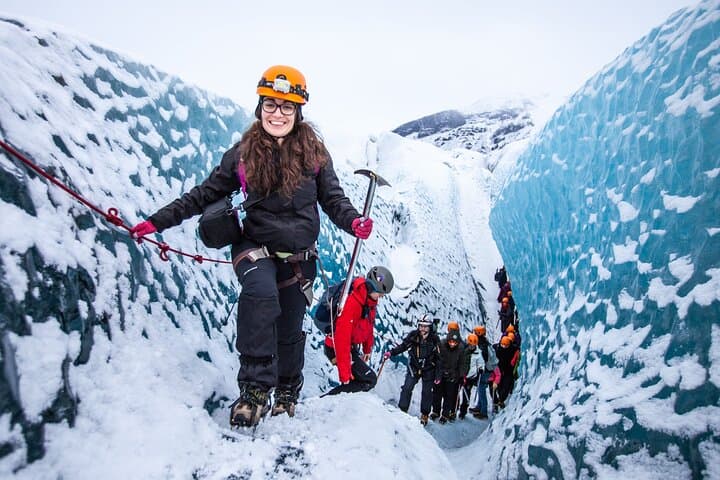 Related story
Beneath a sky of shifting light, Skaftafell’s ice reads like a map of time. This three-hour guided glacier hike mixes technical instruction with geology and culture: compact, safe, and unforgettable.
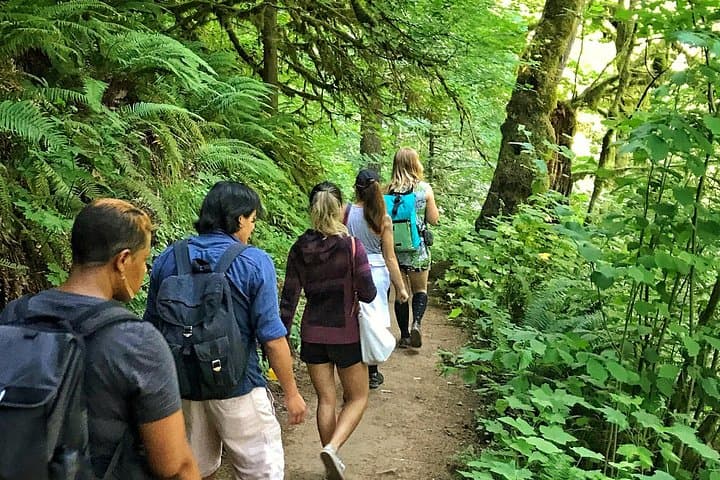 Related story
Lose the city for a few hours without leaving it: this 5-mile, 900-foot-gain Forest Park loop threads old-growth pockets, city viewpoints, and cultural landmarks for a compact taste of Portland’s wild side. Expect moss, roots, and stories.