
What the day feels like
The road out of Beaufort slips past live oaks shouldering the sky, their branches draped in Spanish moss that sways like a quiet chorus. Tidal creeks flash silver between stands of cordgrass. Egrets lift, pause, and drift again. Out here, the landscape doesn’t rush; it invites you to listen. On the Gullah Heritage Tour, you settle into a climate-controlled vehicle and watch the Lowcountry unfold in scenes—marsh, causeway, a tabby ruin—each one a page in a longer story written by tide, toil, and resilience.
This is a cultural journey more than a checklist of stops. Over three hours, your guide threads through Lady’s Island, St. Helena, and the long, straight ribbon of road toward Hunting Island. The coast hums with history, and the Gullah/Geechee presence is not a footnote—it is the binding. As the van crosses the bridge to St. Helena, the salt air sharpens, the world widens, and the past feels near. You’re headed toward one of the country’s first schools for formerly enslaved people, a National Historic Landmark where learning meant liberation. It’s the kind of place that changes how you calibrate time.
Along the route, island churches appear in quiet groves, some still active, others lingering as moss-draped ruins. A praise house—the compact spiritual heart of many Gullah communities—sits modestly along the roadside, its clapboard walls steady against the years. Here, faith didn’t need grandeur to be powerful. The road doesn’t merely connect places; it connects purpose and persistence, and the tour gives these spaces room to speak.
The Gullah people, descendants of West and Central Africans enslaved on rice, indigo, and Sea Island cotton plantations, safeguarded a cultural continuity that has shaped the Lowcountry. Their language—a Creole lilt braided from English and African tongues—carries echoes across fields and porches. Food tells the story, too: okra, benne, rice, and shrimp lifted fresh from local waters. Music rolls like the tide—steady, insistent; a ring shout flows in call-and-response rhythm, bodies keeping time with history. Where the marsh breathes twice a day and the oaks remember everything, culture persists not as a relic, but as a living, breathing force.
Geology sets the stage. These Sea Islands are a string of ancient sandbars, built and rebuilt by currents that push and pull along the Atlantic shelf. The channels hold dolphins and the flats nurture oysters; spartina grass kneels and rises with the tide. Barrier islands like Hunting Island take the brunt of coastal weather, shifting with each storm, while the interior marshes do what marshes do best—filter, buffer, and sustain. The land is low but not fragile when respected; it’s resilient, like the people who have called it home for centuries.
A highlight of this journey is simply the cadence of it. You’re not racing trail miles; you’re learning how to read a place. At the Penn Center on St. Helena Island, education began in 1862 as emancipation took root, setting a national example during Reconstruction. Plantation sites, viewed from the comfort of the vehicle, remind you that beauty and hardship often live side by side here. The tour doesn’t sensationalize. It presents. And in presenting, it asks you to consider the full picture.
This experience is designed for all ages. It’s accessible, thoughtful, and paced for reflection. The van’s air-conditioning cuts the Southern heat, but step outside and the humidity introduces itself with a firm handshake. Birds annotate the day. A fiddler crab lifts a claw, then disappears. Even on pavement, nature has a way of tapping your shoulder, reminding you to pay attention.
Come prepared with curiosity. Ask about foodways—about rice and red rice, about sweetgrass and basketry, about how community traditions persist against the elevator pitch of modern life. Ask which island churches still sing on Sundays, and where stories are recorded for the next generation. This is an ideal introduction for travelers seeking both context and connection, a primer before you dive deeper into museums, roadside stands, or the shrimp shack that seems to have a line at all hours.
If you’re planning, consider spring and fall for tempered weather and sharper light. Summer heats the air and wakes the mosquitoes, but it also sings with long, lush days and afternoon storms that clear the slate. Winter is quiet, the spartina gone blonde, the birds easy to spot, the marsh bone-true. There’s no bad season for listening.
What stays with you isn’t a single stop; it’s the throughline—African heritage carried across the Atlantic and rooted in these islands, shaping language, land stewardship, and daily life. The Gullah story is neither niche nor narrow; it’s a cornerstone of American history with a coastal address.
To learn more or secure a seat, explore the Gullah Heritage Tour through this trusted <a href="https://app.advcollective.com/local-experts/cultural-land-adventure-gullah-heritage-tour-beaufort-gray-line">Beaufort Gray Line cultural tour page</a>. If you’re building a Lowcountry itinerary, this is a foundational experience—an essential lens before wandering waterfront Beaufort or walking beneath the reach of the live oaks. Curious about guide availability or seasonal nuances? Head straight to the official <a href="https://app.advcollective.com/local-experts/cultural-land-adventure-gullah-heritage-tour-beaufort-gray-line">Gullah Heritage Tour booking details</a> for current schedules. And if you’re deep into African American history or Southern coastal culture, bookmark this <a href="https://app.advcollective.com/local-experts/cultural-land-adventure-gullah-heritage-tour-beaufort-gray-line">Sea Islands Gullah/Geechee resource</a> as a launch point for further exploration.
In the end, the marsh keeps time in tides, not minutes. But three hours out here can recalibrate the way you see a region—and, maybe, the country it helped build. The barrier islands exhale. The churches hold their quiet. And the road carries you back across the water, the story still unfolding in your head, asking you to come back and listen again.
Trail wisdom
Small choices, better day.
Arrive Early in Downtown Beaufort
Parking can be tight on busy weekends. Give yourself 20 minutes to park, check in, and settle before the tour departs.
Layer for Coastal Air
The vehicle is climate-controlled, but outdoor stops can be breezy or humid. A light layer keeps you comfortable year-round.
Bring Questions
Guides are a wealth of knowledge on Gullah language, foodways, and Reconstruction history—curiosity makes the tour richer.
Respect Sacred Sites
Praise houses and churchyards are active, meaningful spaces. Move thoughtfully and follow your guide’s lead on photography.
Local knowledge
Read the place, not just the route.
Watch for native species including Great egret and tricolored heron in the marsh creeks, Bottlenose dolphins surfacing in tidal channels.
Keep an eye out for wildlife during the transition between areas and habitats. Respect distance guidelines.
The Sea Islands’ marshes protect shorelines and filter waterways; stay on designated paths at stops, pack out all trash, and respect private property and sacred spaces.
Follow the guide's instructions on size limits, ethical handling, and leave-no-trace practices.
Coffin Point Praise House on St. Helena—an intimate window into community worship traditions. The Lands End Oak—an atmospheric canopy with Gullah folklore ties
Locally recommended viewpoints and quiet spots known best to local operators.
Founded in 1862, St. Helena’s Penn School (now Penn Center) is among the first schools in the South for formerly enslaved people and a key site of Reconstruction history.
Maritime roots and regional tradition shape the waterways and working coasts.
Seasonal guide
Four versions of the same landscape.
Spring
Best forMild weather · Birdwatching
ChallengesPollen · Occasional storms
Azaleas bloom, marsh grass brightens, and temperatures are comfortable. Afternoon showers pass quickly—bring a light shell.
Summer
Best forLong daylight · Lush scenery
ChallengesHeat and humidity · Mosquitoes
Expect hot, humid days with spectacular cloudscapes. Hydrate, wear breathable clothing, and carry insect repellent.
Fall
Best forComfortable temps · Clear light
ChallengesHurricane season overlaps September–October
Crisper mornings and golden marshes make for excellent viewing and photography. Keep an eye on coastal weather updates.
Winter
Best forQuiet roads · Easier wildlife spotting
ChallengesChilly breezes · Shorter days
Cool, dry air and fewer crowds. The spartina goes blonde and birds stand out against open marsh.
Pack with intention
What to bring.
Good to know
Common questions.
The tour lasts about 3 hours with minimal walking at a few historic stops. Most of the experience is enjoyed from a comfortable, climate-controlled vehicle.
Plan the edges
The details that make the day easier.
The Penn School, established in 1862 on St. Helena Island and now part of Penn Center, is among the first schools in the American South created to educate formerly enslaved people.
After your tour, head to Gullah Grub on St. Helena for okra gumbo, rice, and local seafood, or swing by the Shrimp Shack for a shrimp burger with a salt-air view. Back in Beaufort, stroll Bay Street and grab a pint at Shellring Ale Works in nearby Port Royal. Save room for a stop at The Chocolate Tree—locals swear by the pralines.
- Closest airports
- SAV (Savannah
The Sea Islands are part of a sensitive coastal ecosystem—stay on designated areas, keep voices low in churchyards and praise houses, and support local businesses that help sustain community traditions.
Explore by topic
Follow the threads.
Keep exploring
Make the story part of the trip.
In four hours you can move from shaded canyon ferns to wind-scoured coastal ridgelines, guided by someone who knows where the light—and the hidden views—live. This private half-day hike on the Monterey Peninsula or Big Sur is compact, curated, and perfect for travelers who want depth without a multiday commitment.
 Related story
Beneath a sky of shifting light, Skaftafell’s ice reads like a map of time. This three-hour guided glacier hike mixes technical instruction with geology and culture: compact, safe, and unforgettable.
 Related story
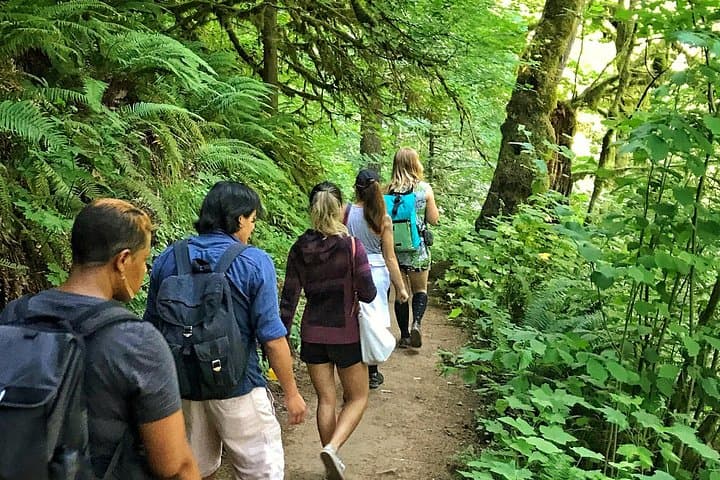
Lose the city for a few hours without leaving it: this 5-mile, 900-foot-gain Forest Park loop threads old-growth pockets, city viewpoints, and cultural landmarks for a compact taste of Portland’s wild side. Expect moss, roots, and stories.