
What the day feels like
The motor hums, a low, steady heartbeat, and the Gulf breeze arrives like someone opening a door. Within minutes the shoreline thins to a ribbon of mangrove and sand, and the world narrows to salt, sky, and motion. A streak of gray arcs from the water like someone drawing a quick, delighted line—the dorsal of a bottlenose dolphin—and the boat leans toward the seam where river meets sea. The captain cuts the throttle and the animals come closer, curious and unafraid, riding the same warm currents that have threaded these inlets for millennia.
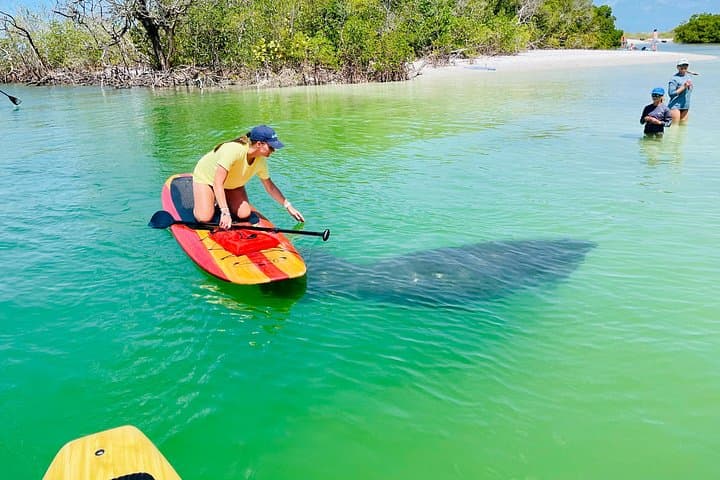
Fort Myers is one of the handful of places on Earth where West Indian manatees gather in numbers, and this two-hour tour condenses that slow-motion wonder into a compact, accessible encounter. Here, the water has character: it pushes, it cools, it hides and reveals. Dolphins dare you to keep up; manatees insist on a gentler pace. The tour—crafted for families and would-be naturalists alike—feels like a handoff between two natural rhythms: the quick joyous ballet of dolphins and the contemplative drift of the “sea cows.”
Geology and history make the scene. The Caloosahatchee River and adjacent estuaries were carved by tidal forces and eons of shifting coastlines, creating shallow flats, channels, and mangrove labyrinths that funnel fish and plankton. Indigenous peoples and early settlers read these waterways as lifelines; Spanish maps later named the area, and modern Fort Myers grew around this complex coastal system. Today the shallow, warm waters and freshwater outflows create the conditions manatees need—especially in cooler months, when they concentrate in thermal refuges along the coast.
Culturally, the region is an easygoing mix of fishing communities, historic riverfront neighborhoods, and tourist pockets. Locals prize the waterways for both livelihood and recreation, and conservation has become a shared value: manatees are a visible reminder of how fragile coastal ecosystems can be when crowded by development and boat traffic.
What makes this tour work is its simplicity. You don’t need prior experience on the water—parents can bring six-year-olds and grandparents can come along—and operators have earned media attention for safety and consistency. It’s also a practical window into seasonal behavior: winter months bring more predictable manatee sightings; spring and summer bump up dolphin activity and calving in shallow estuaries.
The practical side matters. The typical two-hour window is long enough to find animals without burning daylight or requiring special conditioning. Wear layered sun protection, bring a small water bottle, and have your camera ready with a moderate zoom. The boat is small enough to feel intimate but stable; expect to stand and move with the guide as sightings develop. On a good day you’ll watch dolphins cut through glassy water, see manatees exhale at the surface like slow steam trains, and perhaps spot a heron or osprey perched on a mangrove limb.
There are responsibilities embedded in the thrill. Florida law and best practice forbid chasing, touching, or feeding marine wildlife; the best encounters are those where animals approach on their own terms. Choose operators who brief passengers on respectful viewing practices, slow down instead of running animals, and avoid splitting pods or herds. That restraint makes the experience richer and keeps habitats intact.
Beyond the boat: plan your timing. Winter is prime for manatees; late afternoon light is flattering for photos; early departures avoid afternoon winds that can chop the inlet. If you want a deeper context, spend a morning at the Calusa Heritage Trail or an afternoon wandering the River District’s galleries and seafood restaurants. The tour’s compact format leaves room for a proper meal afterward—a chance to swap sightings and compare frames.
For first-timers, the takeaway is simple: expect variety, respect the animals, and come prepared. This is not whale watching’s long-distance theater; it’s coastal intimacy—quick, concentrated, and deeply local. For repeat visitors it’s a practice in patience: return often enough and the water will teach you its seasons. Either way, you leave with a clearer sense of this stretch of Florida coast—its ecology, its rhythms, and its quiet insistence that we slow down and pay attention.
Practical snapshot: the tour runs about two hours, is family-friendly, and costs start at roughly $65. Operators often sell out in high season, and many listings feature instant confirmation and flexible cancellation. Bring a charged camera, dress for the sun, and budget an hour after the tour for local tidewatching and a meal beside the river.
Trail wisdom
Small choices, better day.
Timing is everything
Book winter or early morning departures for the most reliable manatee sightings and calmer seas.
Respectful viewing
Keep noise low and hands off—let animals approach; operators should follow FWC guidelines.
Sun protection
Even short cruises expose you to strong sun—wide-brim hat and SPF 30+ recommended.
Bring dry storage
Use a waterproof bag for phones and cameras to protect against spray.
Local knowledge
Read the place, not just the route.
Watch for native species including Bottlenose dolphins, West Indian manatees.
Keep an eye out for wildlife during the transition between areas and habitats. Respect distance guidelines.
Local operators commonly work within Florida Fish and Wildlife guidelines; avoid feeding or touching wildlife, and choose guides who emphasize responsible viewing to reduce disturbance.
Follow the guide's instructions on size limits, ethical handling, and leave-no-trace practices.
Explore Matanzas Bay for quieter shoreline views. Mangrove kayak trails near Pine Island Sound for a closer paddle experience
Locally recommended viewpoints and quiet spots known best to local operators.
The Caloosahatchee River and surrounding estuaries have long supported Indigenous settlements and later became vital waterways for 19th-century trading and fishing communities around Fort Myers.
Maritime roots and regional tradition shape the waterways and working coasts.
Seasonal guide
Four versions of the same landscape.
Spring
Best forDolphin activity · Warmer waters · Birdwatching
ChallengesIncreased boat traffic · Afternoon winds
Spring brings warm water and active dolphins; expect busier waterways and occasional chop in afternoons.
Summer
Best forCalm mornings · Photographic light · Family outings
ChallengesHeat and humidity · Frequent afternoon storms
Summer mornings can be calm and clear, but storms and high humidity increase later in the day—early tours are best.
Fall
Best forMilder temperatures · Fewer crowds · Good visibility
ChallengesHurricane season overlaps early fall · Variable water clarity
Fall offers pleasant temperatures and smaller crowds, though early fall can still be affected by tropical systems.
Winter
Best forManatee sightings · Cooler weather · Longer light in late afternoon
ChallengesLower temperatures · Higher demand for tours
Winter is peak manatee season—sightings are most predictable, and tours book up quickly.
Operator details
What the booking data adds.
Included
- ✓Paddle Boards, Paddles, life vests
Good to know
- ✓Service animals allowed
- ✓Public transportation options are available nearby
- ✓Suitable for all physical fitness levels
Pack with intention
What to bring.
Good to know
Common questions.
No—federal and state regulations prohibit touching or harassing marine wildlife; the best encounters let animals approach on their own terms.
Plan the edges
The details that make the day easier.
The West Indian manatee is native to Florida waters and the Gulf Coast; warm estuaries like those around Fort Myers serve as important seasonal refuges for these gentle marine mammals.
After the tour, head to downtown Fort Myers River District for fresh seafood, craft brews, and waterfront patios—look for local specialties like grouper sandwiches and stone crab (seasonal); finish with a walk along the Caloosahatchee waterfront.
- Closest airport
- SW Florida International Airport (RSW); Typical departure: Fort Myers waterfront or nearby marinas (short drive from downtown); Driving distance: 10–20 minutes from central Fort Myers depending on marina; Cell service: generally reliable near the shore but can be spotty during long bends or islands; Permits: none required for passengers—operators hold necessary vessel permits.
This coastline is sensitive—avoid single-use plastics, refrain from feeding wildlife, and select operators who follow Florida Fish and Wildlife viewing guidelines to minimize disturbance to manatees and dolphins.
Explore by topic
Follow the threads.
Keep exploring
Make the story part of the trip.
Set out from Bass Harbor for a private, customizable day on Blue Hill Bay — lighthouses, puffins, seals, and the chance to feel Acadia from the water. Small groups, local captains, unforgettable views.
In four hours you can move from shaded canyon ferns to wind-scoured coastal ridgelines, guided by someone who knows where the light—and the hidden views—live. This private half-day hike on the Monterey Peninsula or Big Sur is compact, curated, and perfect for travelers who want depth without a multiday commitment.
 Related story
Beneath a sky of shifting light, Skaftafell’s ice reads like a map of time. This three-hour guided glacier hike mixes technical instruction with geology and culture: compact, safe, and unforgettable.