
What the day feels like
By the time the first switchback tilts above town, the day has already found its pace. Aspen wakes below—quiet streets, roofs still wearing the cool of night—while Smuggler Mountain Road rises ahead like a dare. Gravel crunches underfoot. A breeze moves through the aspens and the leaves answer back with their paper-thin applause. The road doesn’t meander; it has places to be. It leans into the slope, shoulders the elevation, and pulls you along.
Locals treat Smuggler like a habit. Before work, after school, between afternoon storms—you’ll see runners threading by, dogs trotting on leashes, hikers sliding into their own steady rhythm. This is Aspen’s classic conditioning climb: a moderate, 4-mile out-and-back that stacks roughly 700–900 feet of gain in a straightforward push. The reward is clean and honest: a viewing platform near the top that frames the town like a diorama and opens the valley in all directions. To the west, the Roaring Fork pins down the map as it hustles downstream. To the south, the Elk Mountains flex that famous red-and-green geology that made the Maroon Bells both iconic and infamously unstable. The road has a personality—reliable, a little stubborn, but ultimately generous.
Guided, this outing settles into an even better story. In three hours, you get more than snapshots; you get context. A good guide reads the mountain’s mood, gauges the pace, and feeds you the kind of detail that roots a place in memory. If you want a sharp, local take—trail etiquette, hidden connectors, weather tells—consider booking with one of our vetted pros. Our [local experts in Aspen](https://app.advcollective.com/local-experts/undefined) keep tabs on trail conditions and know how to thread Smuggler into a bigger day, from add-on side trails to post-hike refuels.
Smuggler’s name isn’t a marketing hook; it’s a lineage. In the late 1800s, Aspen boomed on silver, and Smuggler Mine—visible across the slope—helped fuel the frenzy. In 1894, miners there unearthed what’s widely recognized as the largest silver nugget ever recovered in North America, a mammoth specimen that cemented the town’s reputation. When prices crashed and the mining rush faded, Aspen reinvented itself around snow and scenery. The roads carved for ore carts and mule teams became fitness routes and hiking staples. The mountain, patient as ever, didn’t mind. It simply kept rising, keeping watch, letting people find their way up and down its flank.
Geologically, you’re climbing through a scrapbook of the Rockies. The Elk Mountains are famous for their crumbly sedimentary layers—photogenic, yes, but friable. On Smuggler, you’re mostly on a wide dirt-and-gravel road, which means stable footing and open lines of sight. It’s a good introduction to hiking at altitude: the grade is steady, the terrain predictable, and you don’t need technical skills to earn real views. Still, altitude is altitude. The road doesn’t care if you’re from sea level—its climb is consistent, its pitch honest. Pace accordingly, sip water often, and take breaks where the trees pull back to reveal the valley. Summer afternoons invite quick-bloom thunderstorms, and the road won’t argue; it will simply turn slick and send rainwater shouldering downhill. Bring a light shell and an extra layer. The mountain will keep moving the air around you.
Culture threads the morning here. You’ll share the climb with locals who know every bend, visiting families testing legs and lungs, and trail runners letting gravity carry them back to town with small, quick steps. Dogs behave like seasoned regulars—sniff, pass, move on. The etiquette is simple: uphill travelers get the right of way, bikes yield to hikers, and everyone nods hello as if you’re all part of the same plan. You are.
That top-platform panorama is a neat kind of reward. Aspen looks exactly like the kind of mountain town you’d design if you were building one from scratch—grid tidy, river present, peaks punching the horizon. And there’s the wider promise of where you can go from here. Hunter Creek Valley teases just beyond, with singletrack dropping into a lush ribbon of aspen and pine. If you want to stitch together a bigger loop, ask your guide about linking the road to the Hunter Creek Trail and back down to town—an excellent add-on for those with time and legs to spare. Our [Aspen hiking guides](https://app.advcollective.com/local-experts/undefined) can calibrate that extension to your pace and the weather.
Plan on 3 hours, which leaves room for photographs, short breathers, and a quick snack at the top. Wear real hiking shoes—tread matters on the way down when gravity insists. Carry at least a liter of water (more in summer), a packable rain jacket, and a snack you actually want to eat at 9,000 feet. Guided trips here typically require a two-person minimum and are geared for ages 12 and up—an inclusive way to step into Aspen’s high-country routine without biting off more than you need.
In a valley loaded with marquee trails, Smuggler stays essential because it’s so straightforward. The mountain asks for effort, gives back perspective, and reminds you that simple can be profound. You climb, it lifts. You stop, it shows. Then it waits for the next set of footsteps, the next wind shift, the next morning you decide to make this road your morning, too.
Trail wisdom
Small choices, better day.
Start Early for Cooler Temps
Morning shade and calmer weather make the ascent more comfortable and help avoid summer thunderstorms.
Respect the Road
This is a shared route—yield to uphill hikers, give bikes space, and keep dogs leashed to protect wildlife and other users.
Hydrate at Altitude
At around 8,000–9,000 feet, dehydration sneaks up fast—carry at least 1–2 liters of water per person.
Watch the Descent
Loose gravel can act like ball bearings—use trekking poles or shorten your stride to stay stable on the way down.
Local knowledge
Read the place, not just the route.
Watch for native species including Mule deer, Red fox.
Keep an eye out for wildlife during the transition between areas and habitats. Respect distance guidelines.
Stay on the road and durable surfaces to reduce erosion, and respect seasonal closures or wet-weather advisories to protect the trail base.
Follow the guide's instructions on size limits, ethical handling, and leave-no-trace practices.
Hunter Creek Cutoff singletrack for a quieter return to town. Smuggler Observation Deck interpretive signs—worth a minute to understand the mining story
Locally recommended viewpoints and quiet spots known best to local operators.
Smuggler Mountain takes its name from the Smuggler Mine, which helped fuel Aspen’s late-1800s silver boom.
Maritime roots and regional tradition shape the waterways and working coasts.
Seasonal guide
Four versions of the same landscape.
Spring
Best forCool-weather hiking · Wildflower scouting
ChallengesMuddy sections · Variable weather and lingering snow patches
Spring brings mixed surfaces and crisp mornings. Expect melting conditions that can make the road slick—start late morning as things dry out.
Summer
Best forConsistent trail conditions · Long daylight windows
ChallengesAfternoon thunderstorms · Heat and intense sun exposure
Classic season for Smuggler. Go early to beat heat and storms; carry a light rain shell and plenty of water.
Fall
Best forAspen foliage · Stable, cool temps
ChallengesShorter days · Occasional early storms
Golden aspen stands light up the road edges. Layers are key—mornings can be cold, afternoons mild.
Winter
Best forCardio hikes on packed snow · Quiet views
ChallengesIcy sections · Cold winds and limited daylight
With traction devices and warm layers, the road can be a rewarding winter workout. Check conditions and avoid icy days if you’re not equipped.
Pack with intention
What to bring.
Good to know
Common questions.
Expect about 4 miles round-trip with roughly 700–900 feet of elevation gain, depending on the turnaround point.
Plan the edges
The details that make the day easier.
In 1894, Aspen’s Smuggler Mine produced what is often cited as the largest silver nugget ever mined in North America—a massive specimen that reinforced the town’s mining legacy.
Refuel at Aspen Brewing Company for a local pint, then grab a chicken sandwich at White House Tavern or charcuterie at Meat & Cheese Farm Shop. For a mellow cooldown, stroll the John Denver Sanctuary by the Roaring Fork—flat paths, river sound, and wildflower pockets.
- Closest airport
- Aspen
- Pitkin County (ASE), ~10 minutes by car. Trailhead
- Base of Smuggler Mountain Road on Aspen’s east side, ~5 minutes from downtown. Cell service: Spotty to moderate; don’t rely on it. Permits: None for day hiking; follow leash laws and posted notices. Time: 3 hours. Two-person minimum for guided outings.
Smuggler’s road drains quickly after storms, but ruts worsen with use when wet—avoid hiking during active downpours. Pack out all trash, keep dogs leashed, and stay on the established road to minimize erosion and protect vegetation along the edges.
Explore by topic
Follow the threads.
Keep exploring
Make the story part of the trip.
In four hours you can move from shaded canyon ferns to wind-scoured coastal ridgelines, guided by someone who knows where the light—and the hidden views—live. This private half-day hike on the Monterey Peninsula or Big Sur is compact, curated, and perfect for travelers who want depth without a multiday commitment.
 Related story
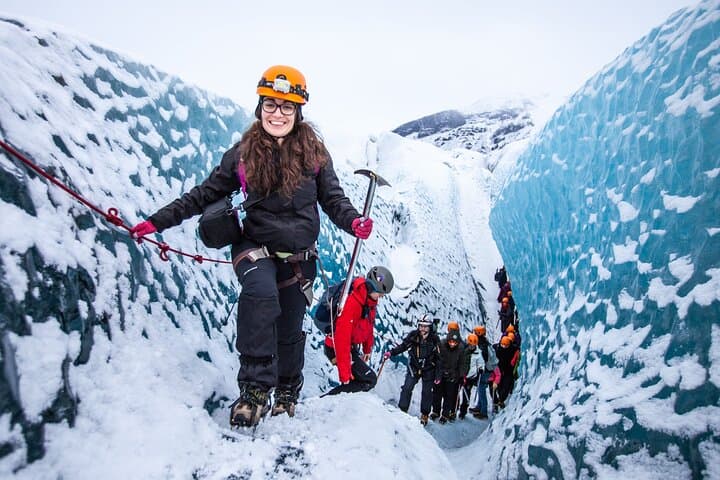
Beneath a sky of shifting light, Skaftafell’s ice reads like a map of time. This three-hour guided glacier hike mixes technical instruction with geology and culture: compact, safe, and unforgettable.
 Related story
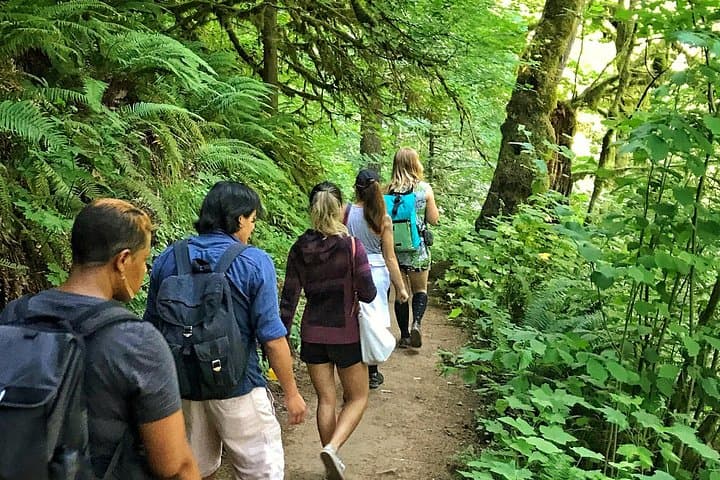
Lose the city for a few hours without leaving it: this 5-mile, 900-foot-gain Forest Park loop threads old-growth pockets, city viewpoints, and cultural landmarks for a compact taste of Portland’s wild side. Expect moss, roots, and stories.