
What the day feels like
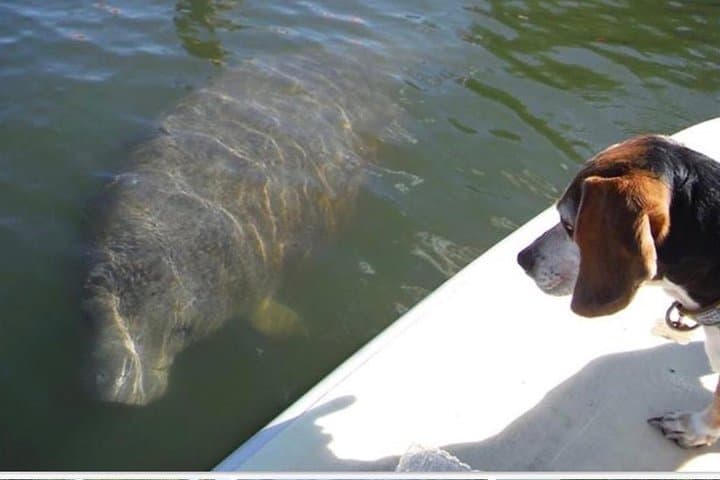
You push off from the narrow sand spit and the motor hum of the parking lot falls away. The water here is shallow and mobile—an uncommitted green that slaps at your hull like a living thing, eager to tell you its story. Overhead the mangroves knit a cathedral of roots and foliage; light slips through in thin, amber ribbons. A master naturalist named Stephen poles ahead, half guide and half translator, pointing out a camouflaged heron, a flash of conch shell embedded in mud, and the ghosted outline of a manatee as it noses for air. For two hours and fifteen minutes you move through an estuary that feels small enough to understand but wild enough to surprise.
This is the Lovers Key Guided Eco Tour—two hours of low-stress poling and paddling through a mangrove-canopied estuary south of Fort Myers Beach. The trip is compact—135 minutes total—but the density of experience is high: birds call from hidden perches, dolphin fins zigzag the bay, and if the day lines up, a manatee will surface like a slow, living island. Stephen’s approach is conversational and observant; his commentary stitches together natural history with human history, from the Calusa shell middens to 16th-century exploration and the more recent arc of conservation that created the state park.
Geologically, Lovers Key is a story of wind, current, and time. These barrier islands are built and rebuilt by tides and storms, their shoals and channels shifting seasonally. The mangroves—red, black, white—anchor the shoreline and cradle juvenile fish, while the shallow flats behind them plant the estuary as a nursery. Culturally, the low islands were once part of Calusa territory, rich in shellfish and seafaring life; later, settlers and seasonal visitors used the beaches and trails, and in the late 20th century conservationists pushed to keep the islands wild. Today the park is an intersection—where public access meets ecosystems that are simultaneously fragile and resilient.
The tour’s rhythm is conversational and flexible—no script, as the guides note. That’s the point: each tide, season, and weather pattern rearranges the set pieces. On a calm winter morning the water reads like glass, magnifying the skitter of fiddler crabs and the mirrored underside of the mangrove canopy. In summer a breeze knits behind you, and the salt-scented air lifts into clouds of terns and osprey. Photography opportunities are constant: low-angle light through the roots, dolphin arcs against the horizon, and close-up portraits of shorebirds.
Why go? It’s compact enough for a morning or an afternoon and beginner-friendly without being dull. For families and first-time kayakers it’s an accessible introduction to estuarine ecology; for repeat visitors it’s an educational sharpening of the senses. The tour is also an economy of impact—small groups, guided by a naturalist who knows how to read the water and the wildlife so that encounters are safe for both people and animals. At roughly $67 per person, this is an affordable way to see manatees and dolphins without hopping on a large commercial boat.
Practical edge: the water is shallow, roots are everywhere, and tides matter. Dress for sun and occasional spray. The guides supply kayaks (or tandem kayaks depending on the booking) and PFDs, but you should arrive with water, a dry bag for electronics, and footwear that can get wet. The trailhead and launch are inside Lovers Key State Park; many guests arrive early to hike the dunes or relax on the white-sand beaches after the paddle. Cell service is patchy once you’re under the canopy, which is part of the appeal: it’s a place to look up.
If you want to maximize sightings, come in cooler months when manatees move into warmer estuarine backwaters and birds congregate during migration. Dawn and late afternoon bring the best light and quieter water, but midday tours are fine in summer when winds pick up. Above all, go with curiosity. The estuary rewards patience; wildlife tends to appear when you’re quiet and moving deliberately.
The Lovers Key Guided Eco Tour is short enough to fit into most Gulf Coast itineraries, but long enough to leave a lasting impression. You’ll leave with a better sense of how these islands function—how mangroves sequester carbon, how shallow flats feed fisheries, and how a single guide’s knowledge can turn a series of sightings into a coherent story about place.
Back on land, the park’s beaches feel like a gentle punctuation to the day. There’s time for a walk, a quick dip, and a cold drink before you drive back toward Fort Myers Beach or head inland. For anyone who wants to step off the busy Gulf Coast strip and into an intimate marine world, this guided kayak tour is a tidy, humane, and memorable way to meet Florida’s wild side without breaking stride.
Trail wisdom
Small choices, better day.
Timing Matters
Book a morning or late-afternoon slot for calmer water and better wildlife activity.
Bring a Dry Bag
Protect phones and wallets; you’ll be under splashing and low-hanging roots.
Respect Wildlife Distances
Let dolphins and manatees approach on their terms—do not attempt to touch or feed them.
Footwear for Mud and Sand
Wear sandals or neoprene shoes that can get muddy during the launch and beach stops.
Local knowledge
Read the place, not just the route.
Watch for native species including West Indian manatee, Bottlenose dolphin.
Keep an eye out for wildlife during the transition between areas and habitats. Respect distance guidelines.
The estuary is part of local aquatic preserves—stick to marked channels, avoid disturbing wildlife, and pack out all trash to protect nursery habitats.
Follow the guide's instructions on size limits, ethical handling, and leave-no-trace practices.
Walk the quieter dunes at the park’s northern end for shelling and sunset views. Explore short nature trails inside Lovers Key State Park between paddles for different vistas
Locally recommended viewpoints and quiet spots known best to local operators.
The area was historically part of Calusa territory; later European exploration and development shaped the islands before conservation efforts established the state park.
Maritime roots and regional tradition shape the waterways and working coasts.
Seasonal guide
Four versions of the same landscape.
Spring
Best forMigratory birds · Warmer water · Beach time
ChallengesOccasional storms · Increasing humidity
Spring brings migrating shorebirds and warming water; expect busy weekends but comfortable paddling conditions.
Summer
Best forWarm water · Long days · Active marine life
ChallengesHigh heat and humidity · Afternoon thunderstorms
Summer is hot and humid—early departures avoid storms and give calmer waters for wildlife viewing.
Fall
Best forCalmer seas · Fewer crowds · Spidering shorebird activity
ChallengesHurricane season tail risks · Lingering heat early in season
Fall reduces the summer crowds and can offer glassy water, but monitor tropical weather forecasts.
Winter
Best forManatee sightings · Milder temperatures · Clear light
ChallengesCooler water and breezes · Occasional cold fronts
Winter offers the best chance to see manatees in shallow estuaries and crisp light for photos.
Pack with intention
What to bring.
Good to know
Common questions.
No—this guided tour is suitable for beginners; guides provide basic paddling instruction and assist with launches.
Plan the edges
The details that make the day easier.
Lovers Key lies within the Estero Bay area, an important estuarine system that supports manatee and shorebird populations and is part of Florida’s coastal aquatic preserves.
After the paddle head to Fort Myers Beach or nearby Bonita Springs for fresh Gulf seafood and a cold beer—small beachfront cafes and local craft breweries offer relaxed post-adventure meals and sunset views.
- Closest airport
- Southwest Florida International Airport (RSW); Driving distance: ~20–30 minutes from Fort Myers; Cell service: Patchy under mangrove canopy; Permits
- Passes
- Park parking fees may apply; tour reservations recommended.
This estuary hosts sensitive nursery habitats—stay in channels, avoid touching wildlife, and follow your guide’s instructions to minimize disturbance.
Explore by topic
Follow the threads.
Keep exploring
Make the story part of the trip.
Set out from Bass Harbor for a private, customizable day on Blue Hill Bay — lighthouses, puffins, seals, and the chance to feel Acadia from the water. Small groups, local captains, unforgettable views.
In four hours you can move from shaded canyon ferns to wind-scoured coastal ridgelines, guided by someone who knows where the light—and the hidden views—live. This private half-day hike on the Monterey Peninsula or Big Sur is compact, curated, and perfect for travelers who want depth without a multiday commitment.
 Related story
Beneath a sky of shifting light, Skaftafell’s ice reads like a map of time. This three-hour guided glacier hike mixes technical instruction with geology and culture: compact, safe, and unforgettable.