
What the day feels like
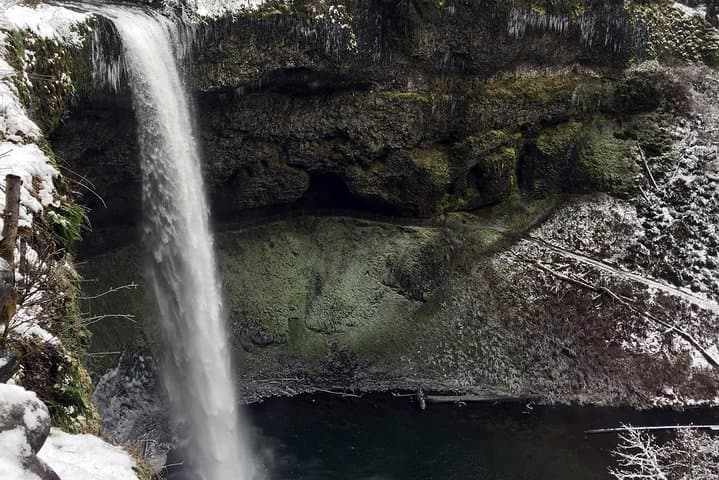
The canyon exhales cool mist before you see the water. One moment the Douglas firs stand still as sentinels; the next they stir, as if the forest itself is leaning in to listen. Then South Falls appears—177 feet of white water slipping off a basalt lip—and the trail does something rare: it invites you to step behind the cascade. The waterfall roars like a friendly giant. Spray freckles your face. The cliff’s hollowed amphitheater opens like a backstage pass to geology in motion.
This is Silver Falls State Park, the crown jewel of Oregon’s state park system, where a single hike strings together a small festival of waterfalls. Eighteen falls lie within the park’s 9,000 acres, and the famed Trail of Ten Falls links many of the best in a looping ribbon of canyon paths, footbridges, and moss-draped staircases. With an expert local guide, you’ll learn why the water falls here the way it does, and why the canyon feels carved for wonder. Over three hours on trail—part of a full-day outing that includes a picnic lunch—you’ll go under, above, and around waterfalls with names that sound like chapters in a well-loved book: Lower South, Lower North, Middle North, Winter Falls, and more.
The magic is structural, not just scenic. These waterfalls plunge where a hard cap of Columbia River Basalt overlays softer, older rock. The river works this seam patiently. The softer layers erode, the harder cap overhangs, and caves widen behind the curtains of water, leaving you to slip through a cool breath of spray along engineered ledges. Those ledges, and much of the park’s infrastructure, were hewn by the Civilian Conservation Corps in the 1930s and ’40s. Look closely at the stonework on bridges and the historic South Falls Lodge—each hand-shaped rock tells a Depression-era story of grit and craft.
Long before the park drew day trippers from Portland or Salem, the Santiam Kalapuya and Molalla peoples moved through these foothills of the Cascades, fishing and gathering along the rivers that feed Silver Creek. It feels right to step lightly here, to treat this canyon as the living place that it is. The creek is restless. It hurries over ledges and shoals, nudging you forward. Ferns seize the spray and unfurl into glossy spears. Pacific wrens thread their astonishing songs through the roar like silver wire.
As a hike, the Trail of Ten Falls is moderate and immensely rewarding. Expect roughly 7.2–8.7 miles depending on your route, with about 1,000–1,200 feet of cumulative elevation gain. Much of the path is smooth dirt or gravel, but canyon sections are steep and often slick from perpetual mist. The park’s genius is that you can tailor the day: a guide can stitch together a highlight reel in three scenic hours or help you commit to the full loop if legs and time allow.
Start early if you can. Silver Falls is not a secret, and the gorge swallows crowds better before mid-morning. Beginning at the South Falls Day-use Area, you descend into the canyon’s cool rib cage, where footbridges cross the water and the trail tucks into alcoves behind plunging curtains. Lower South Falls, a 93-foot fan of water, grants another under-the-falls traverse. Pause where spray hangs like weather on your skin. In summer the canyon is a natural air-conditioning unit. In winter it sharpens, brave and clear.
Geology keeps things honest. Basalt columns grin from cutbanks; ropey old lava flows make sudden appearances where the trail folds. After rains, Winter Falls roars to life, a seasonal performance that feels like the forest hitting a high note. Late spring brings flowers—trillium, bleeding heart, and the shy pink of salmonberry blossoms. In fall, bigleaf maples let go in saffron flurries, gilding the creek like a slow parade.
You’ll earn lunch, and a good guide will know where to unroll it: perhaps on the Rim Trail’s quieter benches or near a lookout where South Falls frames half the sky. This is Willamette Valley wine country, so it’s easy to fold a tasting into the broader day—though the classic hike is satisfaction enough. Later, Silverton’s compact main street, just 25 minutes away, offers a post-hike pint or coffee, and if you want to linger, the Oregon Garden adds another green chapter to the day.
Practicalities matter here. Footing can be wet year-round; a waterproof layer and grippy footwear turn a good day into a great one. The park charges a modest day-use fee, and cell service winks in and out once you drop into the canyon. Dogs are not permitted on the Canyon Trail sections that slip behind the falls, which keeps the narrow passages safe for everyone. If you’re traveling with kids, the shorter out-and-backs to South Falls and Lower South Falls deliver a disproportionate amount of wonder for little legs.
What makes Silver Falls feel special is that the environment is not passive. The creek prods, the canyon whispers, the mist insists. These falls aren’t just scenery; they’re conversation starters. Spend a few hours wandering under their voices and you’ll carry the cadence home—brighter, a little more awake, and permanently tuned to the frequency of moving water.
Trail wisdom
Small choices, better day.
Start at South Falls, go clockwise
Descending early into the canyon helps you beat crowds and keeps the big waterfall reveals coming in satisfying sequence.
Expect slick steps
Spray-soaked stairs and ledges are common—wear grippy, lugged shoes and take the handrails where provided.
Bring a light shell
Even on warm days, the canyon’s mist chills quickly; a breathable rain jacket keeps you comfortable behind falls.
Mind dog restrictions
Dogs are not allowed on the Canyon Trail or behind the waterfalls; plan a Rim Trail stroll if traveling with pets.
Local knowledge
Read the place, not just the route.
Watch for native species including Pacific wren, Roosevelt elk.
Keep an eye out for wildlife during the transition between areas and habitats. Respect distance guidelines.
Stay on the established trail to protect delicate cliffside vegetation and reduce erosion behind the falls; pack out all trash and respect seasonal closures.
Follow the guide's instructions on size limits, ethical handling, and leave-no-trace practices.
Upper North Falls spur—short detour with excellent photo angles and fewer people. Maple Ridge Trail—quieter rim views and a gentle finish after the canyon
Locally recommended viewpoints and quiet spots known best to local operators.
The park’s signature stonework and South Falls Lodge were built by the Civilian Conservation Corps in the 1930s–40s, part of a New Deal effort that shaped Oregon recreation.
Maritime roots and regional tradition shape the waterways and working coasts.
Seasonal guide
Four versions of the same landscape.
Spring
Best forPeak waterfall flow · Wildflowers
ChallengesMud on canyon sections · Cool, wet weather
Waterfalls are at their liveliest, trillium and bleeding heart dot the understory, and crowds are manageable with an early start.
Summer
Best forFamily-friendly hiking · Comfortable temps in the canyon
ChallengesCrowds and full parking lots · Dustier upper trails
Warm days and cool, misty canyon air make for an ideal contrast—arrive early or late for quieter paths.
Fall
Best forAutumn colors · Crisp hiking weather
ChallengesShorter daylight · Early storms can make trails slick
Maples ignite the gorge in gold; bring a layer and watch footing on leafy, wet steps.
Winter
Best forDramatic flows · Quiet trails
ChallengesCold spray and icy patches · Limited services midweek
With leaves down and water high, the falls boom; pack traction if temperatures drop near freezing.
Operator details
What the booking data adds.
Included
- ✓Bottled water
- ✓Snacks
- ✓Lunch
- ✓Air-conditioned vehicle
- ✓Parking Fees
Not included
- —Alcoholic Beverages
- —Gratuities (always appreciated)
Good to know
- ✓Service animals allowed
- ✓Specialized infant seats are available
- ✓Not recommended for travelers with spinal injuries
- ✓Not recommended for travelers with poor cardiovascular health
- ✓Travelers should have at least a moderate level of physical fitness
- ✓Bring a backpack.
Pack with intention
What to bring.
Good to know
Common questions.
The loop ranges from about 7.2 to 8.7 miles with roughly 1,000–1,200 feet of cumulative elevation gain—moderate for most hikers with steady footing.
Plan the edges
The details that make the day easier.
Silver Falls State Park protects a series of waterfalls formed where hard Columbia River Basalt overlays softer rock, creating recess caves that allow hikers to walk behind several falls—a feature crafted into trails by the Civilian Conservation Corps.
Post-hike, grab a pint at Silver Falls Brewery in Silverton, or refuel with tacos at the town’s small spots along Main Street. If you have extra time, swing by a nearby Willamette Valley tasting room—Silver Falls Vineyards or Willamette Valley Vineyards—for a pour that pairs with waterfall memories.
- Closest airport
- Portland International (PDX). Trailhead: South Falls Day-use Area, Silver Falls State Park. Drive: ~25 min from Silverton, ~60–80 min from Portland. Cell service: Limited to none in the canyon; better at the rim. Passes: $5 Oregon State Parks day-use fee; guided tours may include entry.
This canyon is a living classroom of erosion. Stay on designated paths to protect fragile cliff gardens, keep a safe distance from edges, and pack out everything you pack in—waterfall spray carries microtrash into the creek.
Explore by topic
Follow the threads.
Keep exploring
Make the story part of the trip.
In four hours you can move from shaded canyon ferns to wind-scoured coastal ridgelines, guided by someone who knows where the light—and the hidden views—live. This private half-day hike on the Monterey Peninsula or Big Sur is compact, curated, and perfect for travelers who want depth without a multiday commitment.
 Related story
Beneath a sky of shifting light, Skaftafell’s ice reads like a map of time. This three-hour guided glacier hike mixes technical instruction with geology and culture: compact, safe, and unforgettable.
 Related story
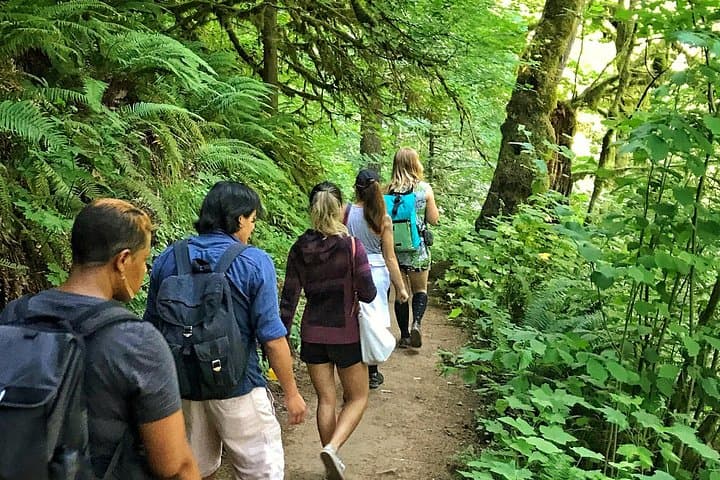
Lose the city for a few hours without leaving it: this 5-mile, 900-foot-gain Forest Park loop threads old-growth pockets, city viewpoints, and cultural landmarks for a compact taste of Portland’s wild side. Expect moss, roots, and stories.